


 Peržiūrėti realaus dydžio版
 Siųsti
 Dalintis
 Išsamiau
 Vadovas

 Atsisiųsti
 Panašūs eksponatai
 Rentgeno spindulių nuotrauka
 Diaporama
 Statistika
Aquarium

 Rodyti daugiau
Šiame puslapyje rodomas meno kūrinys yra saugomas autorių teisių įstatymais, todėl neturime teisės legaliai kurti ar parduoti jo identiškos reprodukcijos. Ši apsauga užtikrinama remiantis tokiais tarptautiniais susitarimais kaip Bernės konvencija ir pagal nacionalines įstatymų nuostatas, įskaitant tas, kurias nurodo JAV autoriškos teisės įstatymas – 17-asis skyrius.
Šis metodas visiškai atitinka autorių teises, nes jame nėra kūrinio kopijavimo ar dubliavimo. Tai yra kūrybinė reinterpretacija – naujas paveikslas, kurį įkvėpė originalas, tačiau kuris nėra jo identiškas.
Giclée / Meno spausdinimas
Muziejų lygio „giclée“ arba drobos spausdinimas: greita gamyba ir lankstios apdailos parinktys. ( Pirkti rankomis tapytą reprodukciją Perejti prie skaitmeninių vaizdų)




P118B €10

P118H €10

P118W €10

P438Z €10

P508JH €12

P508YH €12

P805H €10

P805Z €10

P919BZ €10

P919G €10

P919XJ €10

P959ZH €10

P968JZ €12

W106C €8

W218G €10

W218JH €8

W218Y €10

W307PJ €10

W316G €10

W316PJ €8

W316Y €10

W398PJ €8

W4111J €10

W500HY €15

W500JH €15

W692G €12

W849H €8

W940BG €15

W953PJ €8




Pasirinkite iš mūsų nustatytų dydžių, atitinkančių originalaus meno kūrinio proporcijas.

Type the width and the height you need, to fit your frame or your wall. A print can only be cut, never made bigger than the picture, so a size with a different shape loses a part of the image. We send you a digital mockup to approve before we print anything. The picture shown on this page does not show the real cut — only the mockup does.
Pristatymas visame pasaulyje () per 2 weeks, o ne įprastas 4/5 savaičių laikotarpis. (14 spalis)

Nemokamas greitasis pristatymas visame pasaulyje

Aukštos kokybės lininis drobė

Pilnas siuntimo draudimas

Muitinės mokesčių grąžinimo garantija

Tikro spalvų atitikimo garantija

100 dienų grąžinimo politika (tik esant įtaigoms)

100% pinigų grąžinimo garantija

Nuolaida dideliems užsakymams
 Stiklo variantas prieinamas tik pasirinkus dydį iki 110 cm

Aquarium
Giclée / Meno spausdinimas
Reprodukcijos dydis
-


Visų pasirinktų variantų kaina
€ 54
A Submerged World: Decoding Braque’s ‘Aquarium’
Georges Braque’s ‘Aquarium’ is a captivating departure from his more celebrated Cubist works, offering a glimpse into a dreamlike realm of fluid forms and subtle symbolism. This piece, created sometime during his prolific career (1882-1963), showcases a softer, more intuitive side of the artist, hinting at influences beyond the rigid structures he helped pioneer. While lacking definitive dating or size information, its impact lies in its evocative power and unique stylistic blend.Subject & Composition: A Dance of Forms
The artwork presents a surreal underwater scene – though ‘aquarium’ feels almost too contained for its expansive quality. Rather than literal depictions of fish, we encounter stylized, fragmented creatures swirling within layered circular compositions. These forms aren't sharply defined; they bleed into one another, creating a sense of movement and instability. The composition is deliberately chaotic yet balanced, drawing the eye across the canvas in a continuous flow. The layering suggests depth despite the flattened perspective, evoking the shimmering distortions experienced when looking *through* water.Style & Technique: Echoes of Surrealism & Fauvism
‘Aquarium’ demonstrates Braque's versatility beyond Cubism. While echoes of his analytical approach to form remain – particularly in the fragmented figures – the work leans heavily towards Abstract Expressionism and Surrealism. The loose brushstrokes, achieved through wet-on-wet watercolor application, allow colors to mingle and blend organically. This technique creates soft edges and atmospheric effects, contributing to the ethereal quality of the piece. The use of ink adds definition and a slightly distressed texture, suggesting spontaneity and an uninhibited creative process. It’s also possible to see faint traces of his earlier Fauvist explorations in the bold, though somewhat dissonant, color palette.Color & Atmosphere: A Shifting Palette
The color scheme is complex and intriguing. Warm yellows dominate the lower portion of the painting, perhaps representing a sunlit surface or shallow waters. This transitions into cooler blues and browns in the upper sections, suggesting deeper, more mysterious depths. The diffused lighting – lacking strong highlights or shadows – further enhances the dreamlike atmosphere. The overall effect is one of gentle luminescence, as if viewing the scene through a hazy filter.Symbolism & Interpretation: Beneath the Surface
While open to individual interpretation, the fish-like forms within ‘Aquarium’ likely carry symbolic weight. Fish have long represented transformation, adaptability, and the subconscious mind. Their fragmented nature could suggest a sense of dissolution or the fluidity of identity. The circular shapes themselves are often associated with cycles, wholeness, and eternity. The artwork invites contemplation on themes of inner life, hidden emotions, and the mysteries that lie beneath the surface.Historical Context & Braque’s Evolution
Georges Braque was a pivotal figure in 20th-century art, best known as the co-creator of Cubism alongside Pablo Picasso. However, his artistic journey was far from static. ‘Aquarium’ represents a moment of exploration outside the strict confines of Cubist principles. It demonstrates his willingness to experiment with different styles and techniques throughout his career, showcasing a lifelong commitment to innovation and pushing the boundaries of artistic expression. This work offers valuable insight into Braque's broader artistic range and his enduring fascination with form, color, and emotion.Emotional Impact & Interior Design
‘Aquarium’ evokes a sense of tranquility mixed with subtle unease – a feeling of being lost in a beautiful, otherworldly space. Its fluid forms and soft colors create a calming yet stimulating visual experience. In an interior design context, this artwork would be particularly well-suited to spaces intended for relaxation or contemplation – bedrooms, meditation rooms, or living areas seeking a touch of artistic sophistication. Its abstract nature allows it to complement a wide range of décor styles, from modern minimalist to eclectic bohemian. A high-quality reproduction of ‘Aquarium’ would serve as a captivating focal point and a testament to the enduring legacy of Georges Braque.- Style: Abstract Expressionism, Surrealism
- Technique: Ink and Watercolor on Paper (Wet-on-wet application)
- Key Themes: Transformation, Subconscious, Fluidity, Dreamlike States
- Emotional Impact: Tranquility, Mystery, Contemplation
问答 (or more naturally for a website heading): Klausimai ir atsakymai
Kiek intensyvios yra spalvos kūryboje „Aquarium“, autorius – Žoržas Brakas?
„Aquarium“ spalvų intensyvumas yra Vivid. Intensyvumas apibūdina, koks spalvų ryškumas yra suvokiamas.
Ar „Aquarium“ yra garsus Cubism kūrinys?
„Aquarium“, autorius – Žoržas Brakas priskiriamas Recognized kategorijai ir priklauso Cubism stiliui.
Ką vaizduoja „Aquarium“, autorius – Žoržas Brakas ir kokią nuota sukelia?
„Aquarium“, autorius – Žoržas Brakas sujungia abstract forms, dreamlike scene, circular shapes, fish imagery, surreal composition, fluid movement, layered textures ir Ethereal atmosferą.
Susiję kūriniai


Autoriaus biografija
Early Life and Artistic Foundations
Georges Braque, gimęs Argenteuil mieste Francijoje 1882 metais, įvykdė kelionę į meno pasaulį, kurią iš tikrųjų simbolizavo XX amžiaus meno vystymosi kraštovaizdis. Jo vaikystė šeimoje, kurioje veikė namų dažytojai ir dekoratorių meistrai, ne tik suteikė jam praktinę meistriškumą medžiagoms, bet ir ankstyvą įvertinimą formasiai ir struktūrai. Nepaisant pradėti vykti savo tėvo keliu, Braque’s šlovingos kūrybinės instinkcijos greitai vedė jį į akademinę mokslą Argenteuil mieste Francijoje 1882 metais.
Pervažiuodamas Paryžiui 1902 metais, Braque tęsė savo studijas Humberto akademijoje, prisijungdamas prie Paryžiaus meno gyvenimo šlovingos aplinkos. Čia jis susitikęs su artistas Marie Laurencin ir Francis Picabia, kuriuos įvykdė šlovingą kūrybinę instinkciją Francijoje 1882 metais.
The Embrace of Fauvism and the Dawn of Cubism
Braque’s pasirinkimas fauvistinių principų – išraiškos spalvos ir emocijų – yra įvykdė šlovingą kūrybinę instinkciją Francijoje 1882 metais. Šis laikotarpis buvo pažymiškas eksperimentais su spalvomis Paryžiui 1902 metais.
Švietimo akademijoje Humberto Paryžiui 1902 metais, Braque tęsė savo studijas Paryžiaus meno gyvenimo šlovingą aplinkos. Čia jis susitikęs su artistas Marie Laurencin ir Francis Picabia, kuriuos įvykdė šlovingą kūrybinę instinkciją Francijoje 1882 metais.
Innovation Through Fragmentation and Collage
Švietimo akademijoje Humberto Paryžiui 1902 metais, Braque tęsė savo studijas Paryžiaus meno gyvenimo šlovingą aplinkos. Čia jis susitikęs su artistas Marie Laurencin ir Francis Picabia, kuriuos įvykdė šlovingą kūrybinę instinkciją Francijoje 1882 metais.
Švietimo akademijoje Humberto Paryžiui 1902 metais, Braque tęsė savo studijas Paryžiaus meno gyvenimo šlovingą aplinkos. Čia jis susitikęs su artistas Marie Laurencin ir Francis Picabia, kuriuos įvykdė šlovingą kūrybinę instinkciją Francijoje 1882 metais.
Later Years and Enduring Legacy
Švietimo akademijoje Humberto Paryžiui 1902 metais, Braque tęsė savo studijas Paryžiaus meno gyvenimo šlovingą aplinkos. Čia jis susitikęs su artistas Marie Laurencin ir Francis Picabia, kuriuos įvykdė šlovingą kūrybinę instinkciją Francijoje 1882 metais.
Švietimo akademijoje Humberto Paryžiui 1902 metais, Braque tęsė savo studijas Paryžiaus meno gyvenimo šlovingą aplinkos. Čia jis susitikęs su artistas Marie Laurencin ir Francis Picabia, kuriuos įvykdė šlovingą kūrybinę instinkciją Francijoje 1882 metais.

Žoržas Brakas
1882 - 1963 , Prancūzija
Trumpa informacija apie kūrėją
- Artistic Movement Or Style: Kubizmo ir Fauvizmo
- Artists Who Influenced This Artist:
- Henri Matisse
- André Derain
- Pablo Picasso
- Date Of Birth: 1882-05-13
- Date Of Death: 1963
- Full Name: Georges Braque
- Nationality: Prancūzas
- Notable Artworks:
- Žinomas namai L'Estaque
- Kantrybė
- Violonas ir Paletė
- Place Of Birth: Argenteuil, Prancūzija
Susiję straipsniai

Georges Braque: 25 Šedevrai, Keičiantys Jūsų Interjerą | ArtsDot
Atraskite 25 Georges Braque šedevrus! Kubizmo meistro paveikslai, interjero dekoras ir meno istorija. Meno reprodukcijos aukščiausia kokybe – ArtsDot.com. Išsamesnės informacijos rasite internetu.

Top 10 Abstraktus Ekspresionizmas: Simboliai ir Grožio Paslaptys
Atraskite 10 legendinių abstraktus ekspresionizmo kūrinių! Pažinkite Pollocko, Rothko ir kitų genijų istorijas bei jų spalvingas meno interpretacijas. Puikios meninės reprodukcijos jūsų namams – ArtsDot.com

Georges Seurat: 25 Šedevrai, Apšviečiantys Modernaus Meno Takus | ArtsDot
Atraskite 25 Georges Seurat šedevrus! Išsami analizė, istorijos ir įkvėpimas interjero dizainui. Pointilizmo meistras, impresionizmas ir chromoluminarizmas – viskas ArtsDot.com. Explore the full collection online!

Kandinsky's Masterpieces: 25 Paintings That Define Abstract Art | ArtsDot
Journey through Wassily Kandinsky's 25 most iconic abstract paintings. Explore his revolutionary use of color, form & spiritual expressionism. Find museum-quality Kandinsky reproductions and elevate your home decor with ArtsDot.com. Discover all masterpieces on ArtsDot.com!
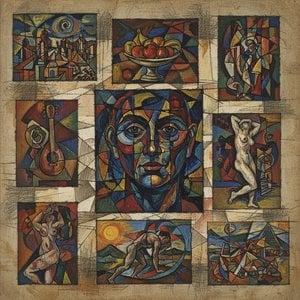
Cubist Expressionism's 10 Defining Masterpieces | Art for Your Home
Explore 10 defining Cubist Expressionism masterpieces by Picasso, Braque & more. Discover the stories behind these bold, geometric paintings and bring museum-quality art to your home with ArtsDot.com. Explore the full collection online.


