

 Peržiūrėti realaus dydžio版
 Pasidalinti
 Dalintis
 Išsamiau
 Vadovas

 Atsisiųsti
 Panašūs eksponatai
 Rentgeno spindulių nuotrauka
 Automatinė diorama
 问答
问答 Statistika
metropolis


 Skaityti daugiau
Šiame puslapyje rodomas meno kūrinys yra saugomas autorių teisių įstatymais, todėl neturime teisės legaliai kurti ar parduoti jo identiškos reprodukcijos. Ši apsauga užtikrinama remiantis tokiais tarptautiniais susitarimais kaip Bernės konvencija ir pagal nacionalines įstatymų nuostatas, įskaitant tas, kurias nurodo JAV autoriškos teisės įstatymas – 17-asis skyrius.
Šis metodas visiškai atitinka autorių teises, nes jame nėra saugomo kūrinio kopijavimo ar dubliavimo. Tai yra kūrybinė reinterpretacija – naujas paveikslas, kurį įkvėpė originalas, tačiau kuris nėra jo identiškas.
Giclée / Meno spausdinimas
Muziejų lygio „giclée“ arba drobos spausdinimas: greita gamyba ir lankstios apdailos parinktys. ( Pirkti rankų darbo tapybą Perejti prie skaitmeninių vaizdų)




P118B €10

P118H €10

P118W €10

P438Z €10

P508JH €12

P508YH €12

P805H €10

P805Z €10

P919BZ €10

P919G €10

P919XJ €10

P959ZH €10

P968JZ €12

W106C €8

W218G €10

W218JH €8

W218Y €10

W307PJ €10

W316G €10

W316PJ €8

W316Y €10

W398PJ €8

W4111J €10

W500HY €15

W500JH €15

W692G €12

W849H €8

W940BG €15

W953PJ €8




Pasirinkite iš mūsų nustatytų dydžių, atitinkančių originalaus meno kūrinio proporcijas.

Įveskite jums reikiamą plotį ir aukštį, kad atvaizdas derėtų prie jūsų rėmo ar sienos. Spausdiną galima tik sumažinti, bet nepadidinti virš originalaus paveikslėlio dydžio, todėl keičiant proporcijas, dalis vaizdo prarandama. Prieš spausdinimą atsiųsime jums skaitmeninį maketą patvirtinimui. Šioje puslapio nuotraukoje matomas pjūvis nėra tikslus – jį rodo tik maketas.
Pristatymas visame pasaulyje () per 2 weeks, o ne įprastas 4/5 savaičių laikotarpis. (15 lapkritis)

Nemokamas greitasis pristatymas visame pasaulyje

Aukštos kokybės lininis drobė

Pilnas siuntimo draudimas

Muitinės mokesčių grąžinimo garantija

Tikro spalvų atitikimo garantija

100 dienų grąžinimo politika (tik esant įtaigoms)

100% pinigų grąžinimo garantija

Nuolaida dideliems užsakymams
 Stiklo variantas prieinamas tik pasirinkus dydį iki 110 cm

metropolis
Giclée / Meno spausdinimas
Reprodukcijos matmenys
-


Bendroji kaina
€ 56
A Chronicle of Urban Decay: George Grosz's "Metropolis"
George Grosz’s “Metropolis” is not merely a depiction of a city street; it’s a raw, unflinching diagnosis of societal malaise rendered with the brutal honesty only a disillusioned artist can possess. Painted by a man deeply scarred by the turbulent realities of his time – the Weimar Republic and the looming shadow of fascism – this large-scale artwork pulsates with an unsettling energy, capturing the frenetic pace and moral corruption that defined Berlin in the early 20th century. The scene unfolds as a chaotic ballet of humanity: figures jostle for space on a rain-slicked street, their faces etched with weariness and indifference, each lost within their own private anxieties. A solitary automobile, a symbol of burgeoning modernity and its potential for destruction, adds to the sense of unease, highlighting the disconnect between progress and human well-being.
The Artist's Vision: Grosz’s Satirical Legacy
Born in Berlin in 1893, George Grosz emerged as a pivotal figure in early 20th-century art, a satirist who relentlessly exposed the hypocrisy and decadence of Prussian society. His artistic journey began with meticulous studies of Dutch masters – Eduard von Grützner, to be precise – demonstrating a disciplined technical foundation before he deliberately shattered academic conventions. This deliberate rejection of traditional aesthetics fueled his signature style: jagged lines, distorted figures, and grotesque caricatures designed to shock and provoke. Grosz’s work wasn't simply observational; it was an active critique, born from personal experiences—his father’s death, his mother’s involvement with officers’ messes – immersing him in a world of militarism and rigid social structures that he would later dismantle through his art. The painting reflects this deeply rooted dissatisfaction, transforming the familiar cityscape into a stage for exposing its underlying rot.
Technique and Composition: A Study in Discomfort
The artwork’s impact is amplified by Grosz's masterful use of color and composition. Bold, saturated hues – predominantly dark browns, grays, and ochres – contribute to the painting’s oppressive atmosphere, mirroring the grim realities depicted. The figures are rendered with a deliberate lack of detail, emphasizing their anonymity and dehumanization. The crowded street is constructed using dynamic lines that converge towards vanishing points, creating a sense of disorientation and contributing to the overall feeling of unease. Grosz's technique – characterized by rapid brushstrokes and a somewhat loose application of paint – lends a raw, almost frantic energy to the scene, reflecting the anxieties of the era.
Symbolism and Emotional Resonance
"Metropolis" is laden with symbolic weight. The rain itself represents cleansing but also stagnation, washing away superficial appearances while failing to address deeper issues. The numerous pedestrians, each absorbed in their own thoughts or actions, symbolize the apathy and indifference that allowed social ills to flourish. The car, a symbol of technological advancement, becomes an emblem of destructive potential. Ultimately, the painting evokes a profound sense of alienation and despair – a feeling that resonates powerfully even today. It’s a stark reminder of the fragility of civilization and the ever-present threat of moral decay.
Klausimai ir atsakymai
Kiek intensyvios yra spalvos kūryboje „metropolis“ – George Grosz?
„metropolis“ spalvų intensyvumas yra Vivid. Intensyvumas apibūdina, koks spalvų ryškumas yra suvokiamas.
Kokia technika panaudota kūriniui „metropolis"]?
George Grosz kūriniui „metropolis“ panaudojo Acrylic On Canvas techniką. Ši technika apibrėžė originalaus kūrinio medžiaginę prigimtį.
Koks yra rekomenduojamas spausdinimo dydis kūriniui „metropolis“ – George Grosz?
Rekomenduojamas „metropolis“ spausdinimo dydis – Large. Taip pat galima rinktis kitus dydžius, išlaikant tą patį proporciją.
panašūs kūriniai


Susiję straipsniai

Staatliche Museen perlai: 25 meno šedevrai jūsų interjerui | ArtsDot.com
Atraskite 25 įspūdingiausius Staatliche Museen meno šedevrus! Išsami istorija apie Nefertiti, Pergamon muziejaus eksponatus ir kitas ikonas. Įkvėpkite interjerui su aukštos kokybės reprodukcijomis iš ArtsDot.com.

George Breitner: Realism, Urban Life & the Poetics of Impermanence
Explore the life & art of George Breitner, a pivotal figure in Dutch realism. Discover his evocative paintings of Amsterdam street life, innovative techniques, and lasting influence on modern art. Learn more at ArtsDot.

Urban Visions: A Historical & Artistic Exploration of the Cityscape in Painting
Explore the evolution of cityscape painting from historical maps to Impressionist masterpieces. Discover artists like Caillebotte & Utrillo. Find museum-quality reproductions at ArtsDot.

The Architecture of the Crowd: Examining Human Presence in Urban Compositions
Explore the evolution of urban art from Caillebotte to modern street murals. Discover the pulse of the city through masterworks.
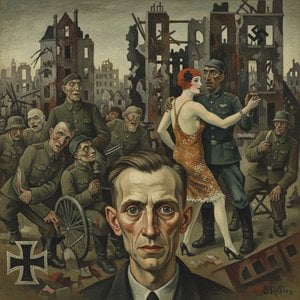
Otto Dix: Trauma, Society & Artistic Rebellion in Weimar Germany
Explore the powerful and unsettling art of Otto Dix, a key figure of Neue Sachlichkeit. Discover his unflinching depictions of Weimar Germany's trauma, society, and war through insightful analysis & iconic masterpieces.


