


 Peržiūrėti realaus dydžio版
 Siųsti
 Dalintis
 Išsamiau
 Vadovas

 Atsisiųsti
 Panašūs eksponatai
 Rentgeno spindulių nuotrauka
 Diaporama
 Statistika
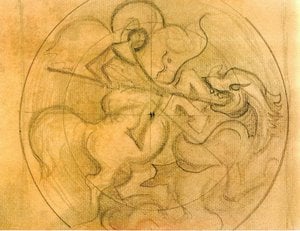
Grace Before Meat
 Rodyti daugiau
Įsigykite aukštos skiriamosios raiškos, patobulintą skaitmeninį vaizdą, gerokai pranašesnį už internetinę peržiūrą.
Kiekvieną failą mūsų specialistai kruopščiai paruošia naudojant pažangias technologijas ir profesionalų rankinį retušavimą. Užtikriname, kad kiekvienas vaizdas pasižymėtų išskirtiniu aiškumu, tikslia spalvų atspalviu ir smulkiomis detalėmis.
Baigiamas failas el. paštu pristatomas per 72 valandas; jis optimizuotas nedelsiant naudojimui profesionalioje, redakcinėje ir spausdinimo aplinkoje. Tai ta pati kokybė, kuria pasitiki aukščiausios klasės dizaino studijos, leidyklos ir galerijos.
Skaitmeninis vaizdas
Atsisiųskite didelės raiškos failą asmeniniam naudojimui, spausdinimui ir kūrybiniams projektams. ( Perjungti į spausdinimą Pirkti rankomis tapytą reprodukciją)
Kiekvieną skaitinio vaizdo užsakymą papildė
Profesionalus skaitmeninis vaizdų pristatymas, garantuotas
Pasirinkę ArtsDot.com, jūs ne tik gaunate paveikslėlį – jūs gaunate profesionaliai patobudintą skaitmeninį kūrinį, sukurtą itin tikniai ir užtikrinantį pasitenkinimą. Štai viską, kas automatiškai pritékia jūsų užsakymui:

Greitas nuotraukų gavimas el. paštu
Jūsų aukštos raiškos skaitmeninis vaizdo failas bus išsiųstas el. paštu per 72 valandas nuo užsakymo – jis bus paruoštas naudoti be jokių papildomų veiksmų.

Skaitmeninis failas su dirbtiniu intelektu
Jūsų meno kūrinys profesionaliai optimizuojamas naudojant pažangius dirbtinio intelekto įrankius ir rankinį redagavimą, užtikrinant maksimalią detalę, aiškumą ir spalvų tikslumą.

Nemokamas visam laikui pakartotinis siuntimas
Atsitiktinai ištrytikote ar praradote savo failą? Nebijokite – bet kuriuo metu atsiųsime jį jums vėl nemokamai.

Jokio importo mokesčio – niekada
Mėgaukitės savo meno kūriniu akimirka – skaitiniai failai visada yra neapmokestinami, todėl nereikės mokėti muitinės, mokesčių ar pristatymo mokesčių.

Spalvų tikslumo garantija
Naudodami profesionalią įrangą ir spalvų valdymo sistemas, užtikriname, kad jūsų skaitmeninis vaizdas kuo tiksliau atspindėtų originalias spalvas.

100 dienų patikimumo garantija
Jei nebuvosite patenkinti įsigyto skaitmeninio vaizdo, mes jį tališkai koreguosime arba grąžinsime 100% sumą per 100 dienų – be jokių klausimų.

100% pinigų grąžinimo garantija
Nesitenkinate? Gaukite visą sumokėtą sumą per 100 dienų nuo skaitmeninio failo gavimo – be jokių papildomų klausimų.

Nuolaidos dideliems užsakymams
Pirkti 3 nuotraukas – 10% nuolaida – Pirkti 5 – 15% nuolaida – Pirkti 10 ir daugiau – 20% nuolaida. Puikiai tinka kūrybiniams projektams, galerijoms bei agentūroms.
Susiję kūriniai


Autoriaus biografija
The Shadow of Industry: Exploring the Art of William Frederick Lutzenberger (1800-1868)
William Frederick Lutzenberger, born in 1800 and tragically passing away in 1868, stands as a pivotal yet often overlooked figure within the burgeoning landscape art scene of mid-19th century England. His work, characterized by a remarkable blend of Romantic idealism and a growing awareness of industrial realities, offers a poignant reflection on the changing relationship between humanity and nature during a period of unprecedented transformation. Lutzenberger’s artistic journey is one marked by both quiet contemplation and a subtle, almost melancholic, engagement with the dramatic shifts occurring across his nation.Early Life and Artistic Training
Lutzenberger's early life remains somewhat shrouded in mystery, though it’s understood he was born into a modest family in London. Unlike many artists of his era who benefited from established patronage or formal training within the Royal Academy, Lutzenberger largely self-taught. He began his artistic career as a lithographer, a skill that undoubtedly informed his meticulous attention to detail and his ability to capture subtle tonal variations – qualities he would later apply with great success to landscape painting. This early experience also exposed him to the burgeoning printmaking industry, an environment increasingly shaped by industrial processes, which subtly influenced his later artistic sensibilities. He began exhibiting his work in London’s art circles around 1830, initially focusing on topographical scenes and studies of rural life.A Romantic Vision – Early Landscapes
Lutzenberger's early works firmly establish him within the Romantic tradition. His paintings frequently depict vast, atmospheric landscapes—rolling hills, dramatic skies, and serene waterways—evoking a sense of sublime beauty and spiritual connection with nature. Influenced by artists like Turner and Constable, Lutzenberger skillfully employed light and shadow to create mood and atmosphere, capturing the fleeting effects of weather and time. Paintings such as *The River Thames at Marlow* (circa 1835) and *A Woodland Scene* (1840) demonstrate his mastery of depicting natural beauty with a delicate touch and an appreciation for the subtle nuances of color. These works were highly regarded in their time, showcasing a romantic sensibility that resonated with audiences seeking solace and inspiration in the face of industrialization.The Weight of Progress: A Shift in Subject Matter
As the 1840s progressed, Lutzenberger’s artistic focus began to subtly shift. While he continued to paint idyllic landscapes, a growing awareness of the impact of industrialization on the English countryside became increasingly evident in his work. He started incorporating scenes depicting factories, canals, and railway lines—not as romanticized vistas, but often with a sense of unease or melancholy. Paintings like *The Canal at Birmingham* (1852) and *A Mill Scene* (1857) reveal a more critical perspective on the rapid changes transforming England’s landscape. These works are not celebratory depictions of progress; instead, they convey a feeling of displacement and loss—a sense that something precious is being sacrificed in the name of industrial advancement.Legacy and Historical Significance
William Frederick Lutzenberger's contribution to 19th-century art lies primarily in his ability to capture the complex emotional landscape of a nation undergoing profound transformation. He wasn’t a flamboyant revolutionary, but rather a quiet observer who subtly embedded social commentary within his landscapes. His work serves as a valuable historical document, offering insights into the anxieties and uncertainties experienced by many during this period. While he may not be as widely celebrated as some of his contemporaries, Lutzenberger's paintings—particularly those reflecting the impact of industrialization—remain remarkably poignant and offer a unique perspective on a pivotal moment in English history. His legacy is one of understated observation, quiet reflection, and a subtle yet powerful critique of progress.
George Cattermole
1800 - 1868 , United Kingdom
Pagrindinė informacija
- Nationality: WahooArt
- Date Of Birth: 1800
- Date Of Death: 1868
- Place Of Birth: Dickleburgh, United Kingdom
- Artistic Movement Or Style: 19th Century Art
- Artists Who Influenced This Artist:
- Caspar David Friedrich
- J.M.W. Turner
- John Constable
- Artists Or Movements Influenced By This Artist: ['Later artists through WahooArt reproductions']