


 Peržiūrėti realaus dydžio版
 Siųsti
 Dalintis
 Išsamiau
 Vadovas

 Atsisiųsti
 Panašūs eksponatai
 Rentgeno spindulių nuotrauka
 Diaporama
 Statistika
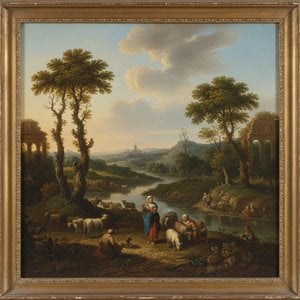
Winter scene

 Rodyti daugiau
Giclée / Meno spausdinimas
Muziejų lygio „giclée“ arba drobos spausdinimas: greita gamyba ir lankstios apdailos parinktys. ( Pirkti rankomis tapytą reprodukciją Perejti prie skaitmeninių vaizdų)




































Pasirinkite iš mūsų nustatytų dydžių, atitinkančių originalaus meno kūrinio proporcijas.

Įveskite jums reikiamą plotį ir aukštį, kad atvaizdas derėtų prie jūsų rėmo ar sienos. Spausdiną galima tik sumažinti, bet nepadidinti virš originalaus paveikslėlio dydžio, todėl keičiant proporcijas, dalis vaizdo prarandama. Prieš spausdinimą atsiųsime jums skaitmeninį maketą patvirtinimui. Šioje puslapio nuotraukoje matomas pjūvis nėra tikslus – jį rodo tik maketas.
Pristatymas visame pasaulyje () per 2 weeks, o ne įprastas 4/5 savaičių laikotarpis. (24 spalis)

Nemokamas greitasis pristatymas visame pasaulyje

Aukštos kokybės lininis drobė

Pilnas siuntimo draudimas

Muitinės mokesčių grąžinimo garantija

Tikro spalvų atitikimo garantija

100 dienų grąžinimo politika (tik esant įtaigoms)

100% pinigų grąžinimo garantija

Nuolaida dideliems užsakymams
 Stiklo variantas prieinamas tik pasirinkus dydį iki 110 cm

Winter scene
Giclée / Meno spausdinimas
Reprodukcijos dydis
-


Visų pasirinktų variantų kaina
€ 54
Susiję kūriniai


Autoriaus biografija
The Poet of the Dutch Landscape
Frederik Marianus Kruseman stands as a cornerstone of Dutch Romantic landscape painting, embodying the profound spirit of his era and leaving an indelible mark on the history of European art. Born in 1816 in Haarlem to a family steeped in artistic tradition—his father was a hatter and his lineage connected to the vibrant creative pulse of the Netherlands—Kruseman’s early life fostered a deep appreciation for the nuances of light and observation. His journey began with formal drawing lessons under Jan Reekers, where he mastered the fundamental rules of perspective and the art of sketching directly from nature. This foundational training prepared him for a career that would eventually transcend mere topographical accuracy, moving instead toward a soulful exploration of the natural world.
As his talent blossomed, Kruseman sought out the masters of his time, studying under Nicolaas Johannes Roosenboom and later engaging with the advanced techniques of Jan van Ravenswaay. His artistic formation was further enriched by brief but significant encounters with the works of Barend Cornelis Koekkoek, a titan of the Romantic landscape tradition. These influences coalesced to create a style that was uniquely his own—a blend of meticulous detail and atmospheric grandeur. While his early years were spent navigating the artistic hubs of Haarlem and The Hague, his travels through Kleve and eventually his settlement in Brussels allowed him to absorb the diverse light and textures of Northern Europe, imbuing his canvases with a cosmopolitan yet deeply Dutch sensibility.
Atmospheric Mastery and the Winter Vision
The true essence of Kruseman’s oeuvre lies in his ability to capture the fleeting, ephemeral moments of the natural world. He was a master of the sublime, particularly through his celebrated winter landscapes, which constitute approximately two-thirds of his total body of work. In these compositions, the artist achieved a breathtaking realism; he perfected the rendering of the jet-black, mirror-like surface of frozen rivers and the delicate, intricate marks left by skaters upon the ice. His ability to depict the skeletal beauty of coral-like tree branches against a pale, wintry sky demonstrates a technical precision that serves an even higher emotional purpose: the evocation of solitude and quiet contemplation.
As his career progressed toward its full fruition around 1860, Kruseman’s palette underwent a fascinating evolution. The cool, silvery grey-blue tones that characterized his earlier works gradually gave way to a much warmer, more luminous spectrum. This transition allowed him to capture the magical transition of light during the fading hours of early evening. His most evocative scenes often feature a soft warmth emanating from a distant, small interior or a low sun breaking through mist, creating a sense of profound psychological depth. Through this mastery of light and temperature, Krusebman did not merely paint scenery; he painted the very feeling of a season, inviting the viewer to experience the stillness and the biting chill of a Dutch winter.
Legacy of a Romantic Visionary
Beyond the technical brilliance of his brushwork, Kruseman’s historical significance lies in his role as a bridge between the classical traditions of the Dutch Golden Age revival and the burgeoning emotionalism of 19th-century Romanticism. He moved away from the rigid documentation of landscapes to embrace a more symbolic approach, where a misty vista or a lonely castle on a hill served as metaphors for the human condition. His work resonates with the themes of solitude and the spiritual resonance found in the works of Caspar David Friedrich, yet it remains grounded in the specific, tactile beauty of the Low Countries.
Throughout his life, from his debut at the Exhibition for Living Masters in The Hague to his final years in Sint-Gillis, Kruseman remained a dedicated observer of the earth's quietest transformations. His legacy is preserved in canvases that continue to captivate collectors and historians alike, serving as a testament to a period when art sought to find the infinite within the intimate. Today, we remember him not just as a painter of landscapes, but as a poet of the atmosphere, whose work continues to breathe with the light and shadows of a bygone era.

Frederick Marianus Kruseman
1817 - 1882 , Netherlands
Trumpa informacija apie kūrėją
- Full Name: Frederik Marianus Kruseman
- Nationality: Dutch
- Date Of Birth: 1817
- Date Of Death: 1882
- Place Of Birth: Netherlands
- Notable Artworks:
- Monk Meditating near a Ruin by Moonlight
- The Watering Place
- A Blustery Summer Landscape
- Artistic Movement Or Style: Dutch Romanticism
- Artists Who Influenced This Artist: ['Johannes Hendrik Willem Hengelmans']
- Artists Or Movements Influenced By This Artist: ['Romanticism']
Susiję straipsniai

Evocations of Place: A Historical Journey Through Landscape Art
Explore the rich history of landscape art with ArtsDot. Discover renowned artists, movements like Impressionism & Romanticism, and expert guidance for collecting timeless pieces. Find your perfect serene escape today!

Charles Leickert: Capturing the Dutch Golden Age Light – A Comprehensive Study of Technique, Context, and Legacy
Explore the captivating winter landscapes of Charles Leickert, a master of Dutch Golden Age light & atmosphere. Discover his techniques, symbolism, and lasting legacy – a comprehensive study for art enthusiasts and collectors.

Golden Light & Dutch Skies: Bringing the Magic of Dutch Golden Age Landscapes into Your Home
Transform your home with the breathtaking light of Dutch Golden Age landscapes. Discover how hand-painted oil reproductions of masterworks like Ruisdael and Vermeer bring timeless elegance, atmosphere, and soulful texture to modern interiors. Elevate your space with museum-quality art.

10 Romantinių Peizažų Simbolių: Tapybos Majestatės Viršūnės
Atraskite 10 legendinių romantinio peizažo kūrinių! Pasinerkite į Claude Lorrain, Caspar David Friedrich ir J.M.W. Turner genijaus pasaulį. Išmokite apie tapybos meistriškumą bei gamtos grožį. Aukščiausios kokybės meno reprodukcijos – ArtsDot.com. Tyrinėkite kolekciją!
Nicolaes Berchem: Dutch Golden Age Pastoralism & the Evolution of Landscape Painting
Explore the captivating world of Nicolaes Berchem, a leading Dutch Golden Age painter. Discover his idyllic landscapes, masterful technique & lasting influence on art history. Learn more at ArtsDot.