


 Peržiūrėti realaus dydžio版
 Siųsti
 Dalintis
 Išsamiau
 Vadovas

 Atsisiųsti
 Panašūs eksponatai
 Rentgeno spindulių nuotrauka
 Diaporama
 Statistika
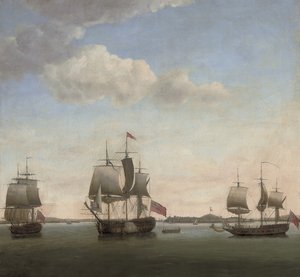
A Dockyard At Wapping
 Rodyti daugiau
Rankų darbo aliejinės reprodukcijos
Rankiniu būdu tapytas aliejus ant droblio jūsų pageidaujamame dydį ir rėmuose – mūsų menininkų darbas pagal užsakymą. ( Perjungti į spausdinimą Perejti prie skaitmeninių vaizdų)




































Pasirinkite iš mūsų nustatytų dydžių, atitinkančių originalaus meno kūrinio proporcijas.

Įveskite jums reikiamą plotį ir aukštį, kad paveikslas atitiktų jūsų rėmą ar sieną. Kadangi šis darbas yra rankinio darbo, siekiant išgauti kitokio formos dydį, paveikslas gali būti šiek tiek didesnis (nuo kraštų bus palikta daugiau erdvės) arba mažesnis – pasirinkite jums patogiausią variantą. Prieš pradedant tapyti, atsiųsime jums skaitmeninį maketą patvirtinimui. Šioje puslapio nuotraukoje matomas vaizdas nėra galutinis rezultatas – jį parodys tik sukurtas maketas.
Gavus užsakymą, ArtsDot.com komanda susisieks su klientu el. paštu dėl instrukcijų ir pateiks maketo pavyzdį
Pristatymas visame pasaulyje () per 3–4 savaites, o ne įprastai – per 5 savaites. (26 spalis). Kokybė lieka nepakeičiama.

Nemokamas greitasis pristatymas visame pasaulyje

Aukštos kokybės lininis drobė

Pilnas siuntimo draudimas

Muitinės mokesčių grąžinimo garantija

Tikro spalvų atitikimo garantija

100 dienų grąžinimo politika (tik esant įtaigoms)

100% pinigų grąžinimo garantija

Nuolaida dideliems užsakymams
 Stiklo variantas prieinamas tik pasirinkus dydį iki 110 cm

A Dockyard At Wapping
Reprodukcijos technika
Reprodukcijos dydis
-


Visų pasirinktų variantų kaina
€ 231
Susiję kūriniai


Autoriaus biografija
A Mariner’s Eye on Britannia
Francis Holman, born in the coastal town of Ramsgate in 1729, was a British maritime painter whose meticulous depictions of ships and naval life cemented his place as a pivotal figure in eighteenth-century art. Though largely unrecognized during his lifetime—a regrettable oversight considering the enduring fascination with his canvases today—Holman’s legacy resides in his contribution to documenting the burgeoning Royal Navy and capturing the spirit of Britain's maritime dominance. He stands alongside Thomas Luny as one of the era’s most accomplished artists, demonstrating a remarkable ability to blend scientific observation with artistic sensitivity.
Holman’s upbringing was profoundly shaped by his father, Francis Holman Sr., a master mariner who instilled in him an unwavering appreciation for seafaring traditions and craftsmanship. His grandfather, a Ramsgate cooper—a profession deeply intertwined with the maritime economy—further solidified Holman's connection to the sea. This familial heritage undoubtedly fueled his artistic vision, informing his detailed renderings of vessels and their surroundings with unparalleled accuracy. He married Elizabeth, producing three sons, John, Francis, and another son who tragically perished in infancy. Subsequently, he remarried Jane Maxted around 1781, though no children were born from this union. Holman’s will penned in 1783 revealed a solitary existence, marking the final chapter of his life.
Mastery of the Waves and Shipyard Scenes
Holman's artistic journey commenced with an apprenticeship under Thomas Luny, a fellow painter who would become a celebrated maritime artist himself. This formative relationship fostered collaboration and honed Holman’s technique—particularly in capturing the dynamism of naval battles and the intricacies of shipyards. His early works focused on portraits of ships, commissioned by captains eager to commemorate their vessels. From 1768, he resided in several addresses within the Shadwell area of East London, positioned near Wapping and Blackwall Docks, which served as frequent subjects for his brush. These locations were the beating heart of British maritime commerce, providing him with a front-row seat to the construction and departure of great vessels.
His technical prowess is perhaps most evident in his ability to manipulate light and horizon. Drawing significant influence from Dutch sea painters such as Willem van de Velde the Younger, Holman often employed a low horizon line to emphasize the vastness of the sky and the imposing presence of the masts and rigging. His works are not merely records of wood and canvas but are atmospheric studies of movement and weather. Whether depicting the tranquil river traffic on the Thames or the chaotic intensity of naval engagements during the American War of Independence, Holman possessed a rare talent for conveying the weight of the sea and the tension of combat.
Legacy and Historical Significance
The historical importance of Francis Holman extends far beyond the aesthetic value of his oil paintings. He acted as a visual chronicler of an era when Britain was asserting its naval supremacy. His depictions of shipyards, such as the celebrated View of Blackwall Yard, provide invaluable insights into the industrial and maritime landscape of the eighteenth century. The enduring value of his work is reflected in the modern art market; for instance, his masterpiece of Blackwall Yard achieved a staggering sum at Christie’s in 2018, underscoring the continued reverence for his historical accuracy.
Throughout his career, Holman exhibited at prestigious venues including the Free Society of Artists and the Royal Academy, marking his ascent within the professional art community. His contribution to the genre of marine painting is characterized by several key elements:
- Scientific Precision: An unparalleled ability to render the complex rigging, hull structures, and architectural details of various vessel types.
- Atmospheric Depth: The use of light and shadow to evoke the specific moods of maritime environments, from moonlight battles to sunlit harbors.
- Documentary Value: Providing a permanent visual record of the Royal Navy's evolution and the bustling activity of London's docks.
- Pedagogical Influence: Serving as a mentor to Thomas Luny, thereby influencing the next generation of maritime artists.
Today, the works of Francis Holman are cherished not only as fine art but as essential historical documents. He remains a master of the maritime genre, an artist who looked upon the sea with both the eye of a scientist and the soul of a poet.
Francis Holman
1729 - 1784 , United Kingdom
Trumpa informacija apie kūrėją
- Full Name: Francis Holman
- Nationality: British
- Date Of Birth: 1729
- Date Of Death: 1784
- Place Of Birth: Deal, United Kingdom
- Notable Artworks:
- Launch Of The Venerable
- Ships Off Dover
- Shipping Off Newhaven
- Artistic Movement Or Style: Maritime Painting
- Artists Or Movements Influenced By This Artist: ['Thomas Luny']