

 Užsisakyti kopiją Pirkti skaitmeninį paveikslą
 Pasidalinti
 Dalintis
 Išsamiau
 Pridėti į mėgstamiausius

 Atsisiųsti
 Panašūs eksponatai
 Rentgeno nuotrauka
 Automatinė diorama
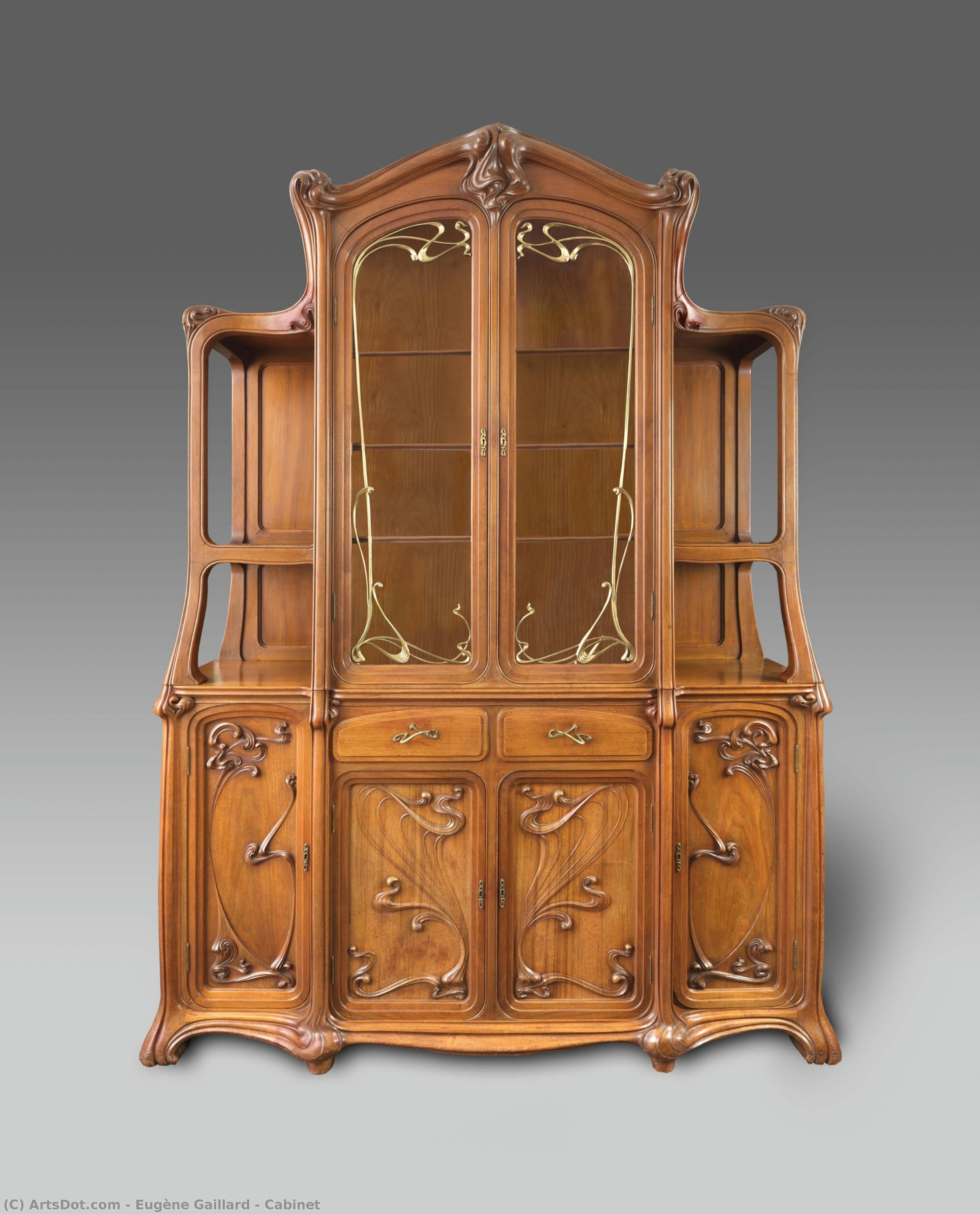
Cabinet


 Skaityti daugiau
Giclée / Meno spausdinimas
Muziejų lygio „giclée“ arba drobos spausdinimas: greita gamyba ir lankstios apdailos parinktys.




































Pasirinkite iš mūsų nustatytų dydžių, atitinkančių originalaus meno kūrinio proporcijas.

Galite nurodyti savo matmenis, kad vaizdas atitiktų konkretų rėmą ar erdvę. Jei pasirinktas dydis nesutaps su originalaus paveikslėlio proporcijomis, mes arba apkirpsime kūrinį, arba išplėsime vaizdą naudojant veideliu atspindėtą arba vientisą šoną. Skaitmeninis maketas bus išsiųstas jums patvirtinti prieš pradedant gamybą.
Atkreipkite dėmesį, kad ekrane matomas vaizdinys neatspindi tikrojo apkirpimo ar išplėtimo. Tik maketas tiksliai parodytų galutinę kompoziciją.
Nors galima rinktis ir individualius dydžius, rekomenduojame pasirinkti vieną iš išanksti nustatytų matmenų, kad būtų išlaikytos originalios proporcijos.
Pristatymas visame pasaulyje () per 2 weeks, o ne įprastas 4/5 savaičių laikotarpis. (21 liepa)

Nemokamas greitasis pristatymas visame pasaulyje

Aukštos kokybės lininis drobė

Pilnas siuntimo draudimas

Muitinės mokesčių grąžinimo garantija

Tikro spalvų atitikimo garantija

60 dienų grąžinimo politika (tik esant gamyklinėms defektams)

100% pinigų grąžinimo garantija

Nuolaida už kelias reprodukcijas
 Stiklo variantas prieinamas tik pasirinkus dydį iki 110 cm

Cabinet
Giclée / Meno spausdinimas
Reprodukcijos matmenys
-


Galutinė kaina
-
Kolekcinio eksponato aprašymas
panašūs kūriniai


Autoriaus biografija
Eugène Gaillard: The Sculptor of Organic Forms
Eugène Gaillard (1862–1933) was a French Art Nouveau designer, architect and advocate of modern design. He abandoned a career in law for that of interior design and decoration. He was employed for some time by Siegfried Bing along with Georges de Feure and Edouard Colonna to work on his pavilion at the 1900 Paris Universal Exposition. Gaillard’s artistic vision stemmed from a fascination with nature, specifically the flowing lines of vines, flowers, and water lilies—elements that would become central to his distinctive sculptural style. This preoccupation wasn't merely aesthetic; it reflected a broader philosophical belief in harmony between humanity and the natural world, a sentiment deeply ingrained within the Art Nouveau movement itself.- Early Life & Education: Born in Paris in 1862, Gaillard received a legal education but quickly realized his passion lay elsewhere—in crafting beautiful objects that celebrated organic forms.
- Collaboration with Siegfried Bing: His association with Bing was pivotal to establishing Art Nouveau’s influence on Parisian design. Together they explored innovative materials and techniques, pushing the boundaries of conventional craftsmanship.
- The Pavilion at the Paris Exposition Universelle (1900): Gaillard's involvement in the Universal Exposition showcased his talent as an architect and designer, cementing his reputation as a pioneer of modern aesthetics. The pavilion’s intricate sculptural decorations embodied his signature style—a masterful blend of natural motifs and refined artistry.
Sculptural Style & Technique: Whiplash Line & Luxurious Materials
Gaillard's sculptures are instantly recognizable for their “whiplash line”—a dynamic curve that mimics the movement of plant stems—a technique he perfected to convey fluidity and vitality. He skillfully utilized rare and expensive woods like ebony and rosewood, combined with veneers crafted from exotic materials such as alabaster and ivory. These choices weren’t simply matters of taste; they represented a deliberate effort to elevate craftsmanship and create objects of unparalleled beauty and prestige. Gaillard's meticulous attention to detail—polished surfaces, intricate carving, and masterful gilding—transformed ordinary materials into extraordinary works of art.- Emphasis on Organic Forms: Gaillard’s sculptures prioritized flowing lines and undulating curves, mirroring the rhythms of nature.
- Material Choices & Craftsmanship: He favored luxurious veneers and employed advanced polishing techniques to achieve a luminous finish that accentuated the sculptural form.
Notable Works & Legacy
Gaillard’s furniture designs—particularly his cabinets and consoles—became iconic examples of Art Nouveau elegance. Pieces like the “Cabinet” exhibited at the Paris Exposition Universelle exemplify his ability to synthesize architectural principles with decorative artistry. His influence extended beyond furniture; he designed buildings, including Château Gaillard in Normandy, demonstrating his versatility as an architect. Furthermore, Gaillard’s work inspired subsequent generations of designers and artists who embraced organic forms and refined craftsmanship—a testament to his enduring contribution to the artistic landscape of the late 19th century.- Château Gaillard: A monumental castle ruin overlooking the Seine, showcasing Gaillard's architectural prowess.
- Furniture Designs: His cabinets and consoles are celebrated for their sculptural elegance and masterful craftsmanship.
Influence & Artistic Context
Gaillard’s artistic sensibilities aligned perfectly with the broader currents of Art Nouveau, a movement characterized by its rejection of industrial uniformity and its celebration of beauty derived from natural forms. He stood alongside luminaries like Alphonse Mucha and Gustav Klimt, sharing a commitment to creating art that transcended mere decoration—aiming instead for an immersive experience that engaged both intellect and emotion. Gaillard’s legacy continues to resonate today, reminding us of the transformative power of artistic vision and the enduring allure of handcrafted excellence.
eugène gaillard
1862 - 1933 , France
Trumpa informacija
- Artistic Movement Or Style: Art Nouveau
- Date Of Birth: Paris, France (1862)
- Date Of Death: 1933
- Full Name: Eugène Gaillard
- Nationality: French
- Notable Artworks: ['Cabinet']
- Place Of Birth: Paris
Susiję straipsniai
Eugène Lami: A Study in Academic Eclecticism & the Rise of 19th-Century Decorative Art
Explore the captivating world of Eugène Lami, a pivotal 19th-century French painter. Discover his eclectic style blending Romanticism & Academic traditions in history, fashion, and literary illustrations. Learn about his legacy today!

Echoes of 1882: Art, Culture & the Belle Époque's Lasting Impression
Explore the art & culture of the Belle Époque! Discover Impressionism, Realism, and iconic Parisian paintings from Degas, Béraud & more. High-quality reproductions at ArtsDot.
Beyond Aesthetics: Emotionally Intelligent Art Curation as a Catalyst for Guest Experience and Brand Identity in Contemporary Hospitality Design
Elevate your hospitality design with emotionally intelligent art curation. Expert insights on brand identity, guest experience & ROI. Discover bespoke solutions for luxury hotels and commercial spaces.

Echoes of Change: Exploring Themes & Techniques in 19th-Century Art
Explore the captivating world of 19th-century art! Discover Romanticism & Realism's key artists, masterpieces, and social commentary. Expert insights for collectors & enthusiasts.

Raphael Kirchner: A Poetic Vision of Belle Époque Society Through Art Nouveau Lithography
Explore the captivating world of Raphael Kirchner, a master of Art Nouveau illustration during the Belle Époque. Discover his iconic 'Kirchner Girls,' pioneering pin-up art & lasting influence.

