

 Peržiūrėti realybėje
 Pasidalinti
 Dalintis
 Išsamiau

 Atsisiųsti
 Panašūs eksponatai
 Rentgeno nuotrauka
 Automatinė diorama
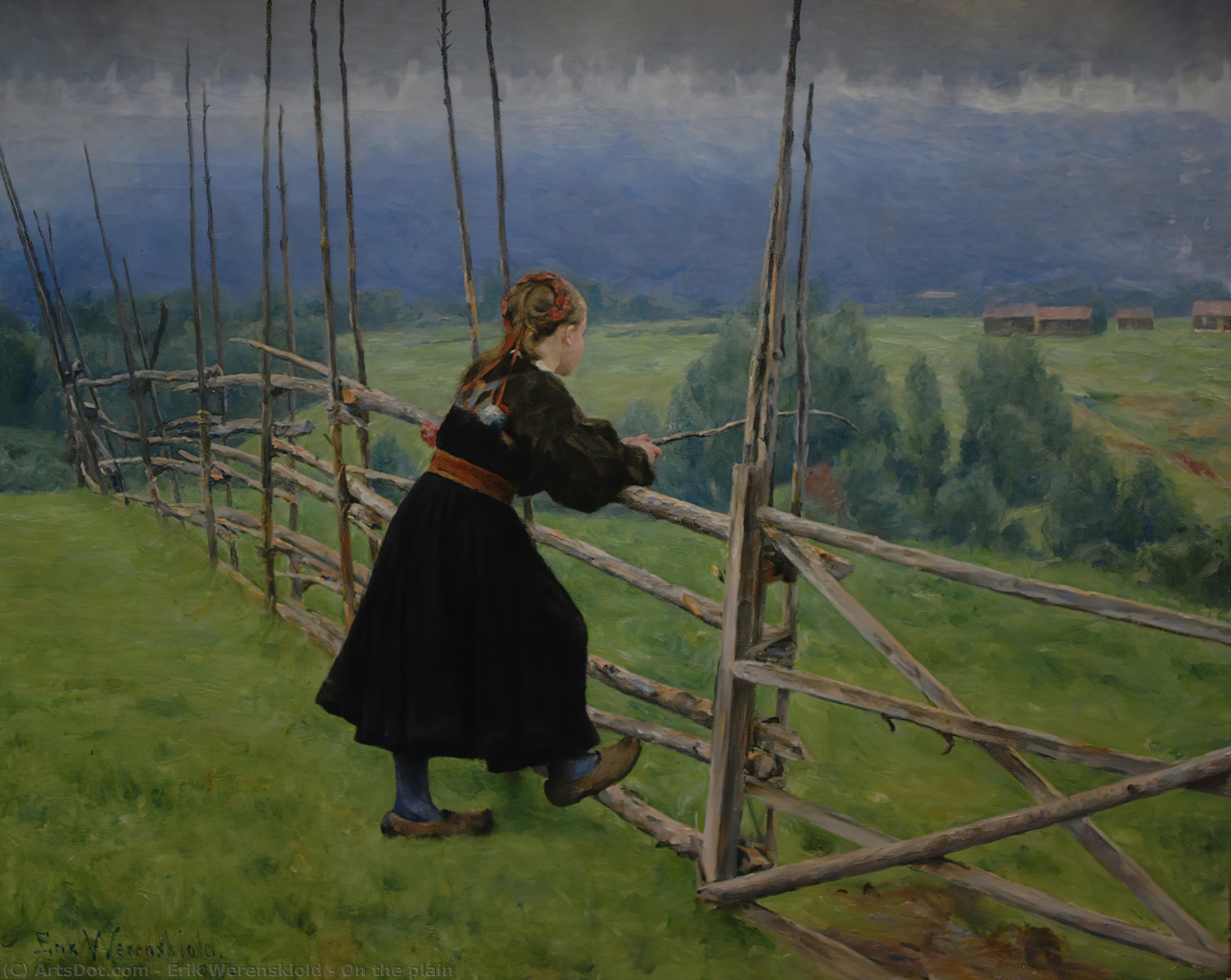
On the plain

 Skaityti daugiau
Įsigykite aukštos skiriamosios raiškos, patobulintą skaitmeninį vaizdą, gerokai pranašesnį už internetinę peržiūrą.
Kiekvieną failą mūsų specialistai kruopščiai paruošia naudojant pažangias technologijas ir profesionalų rankinį retušavimą. Užtikriname, kad kiekvienas vaizdas pasižymėtų išskirtiniu aiškumu, tikslia spalvų atspalviu ir smulkiomis detalėmis.
Baigiamas failas el. paštu pristatomas per 72 valandas; jis optimizuotas nedelsiant naudojimui profesionalioje, redakcinėje ir spausdinimo aplinkoje. Tai ta pati kokybė, kuria pasitiki aukščiausios klasės dizaino studijos, leidyklos ir galerijos.
Skaitmeninis vaizdas
Atsisiųskite didelės raiškos failą asmeniniam naudojimui, spausdinimui ir kūrybiniams projektams. ( Pirkti spaudinį Pirkti rankomis tapytą paveikslą)
Kiekvieną skaitinio vaizdo užsakymą papildė
Profesionalus skaitmeninis pristatymas, garantuotas
Pasirinkę ArtsDot.com, jūs ne tik gaunate paveikslėlį – jūs gaunate profesionaliai patobudintą skaitmeninį kūrinį, sukurtą itin tikniai ir užtikrinantį pasitenkinimą. Štai viską, kas automatiškai pritékia jūsų užsakymui:

Greitas siuntimas el. paštu
Jūsų aukštos raiškos skaitmeninis vaizdo failas bus išsiųstas jums el. paštu per 72 valaudas nuo užsakymo – paruoštas naudojimui be jokių papildomų veiksmų.

Skaitmeninis failas su dirbtiniu intelektu
Jūsų meno kūrinys profesionaliai optimizuojamas naudojant pažangius dirbtinio intelekto įrankius ir rankinį redagavimą, užtikrinant maksimalią detalę, aiškumą ir spalvų tikslumą.

Nemokamas visam laikui pakartotinis siuntimas
Atsitiktinai ištrytikote ar praradote savo failą? Nebijokite – bet kuriuo metu atsiųsime jį jums vėl nemokamai.

Jokio importo mokesčio – niekada
Mėgaukitės savo meno kūriniu akimirka – skaitiniai failai visada yra neapmokestinami, todėl nereikės mokėti muitinės, mokesčių ar pristatymo mokesčių.

Spalvų tikslumo garantija
Naudodami profesionalią įrangą ir spalvų valdymo sistemas, užtikriname, kad jūsų skaitmeninis vaizdas kuo tiksliau atspindėtų originalias spalvas.

60 dienų pasitenkinimo garantija
Jei nebuvate patenkinti savo skaitinio vaizdo, per 60 dienų jį pertaisysime arba grąkinsime 100% sumą – be jokių klausimų.

100% pinigų grąžinimo garantija
Nepat 만족inti? Gaukite visą sumokėtą sumą per 60 dienų nuo skaitmeninio failo gavimo – be jokių papildomų klausimų.

Nuolaidos dideliems užsakymams
Pirkti 3 nuotraukas – pasiūla 10% - Pirkti 5 – pasiūla 15% - Pirkti 10 ir daugiau – pasiūla 20%. Puikiai tinka kūrybiniams projektams, galerijoms bei agentūroms.
panašūs kūriniai


Autoriaus biografija
Erik Werenskiold: A Painter of Norwegian Soul
Erik Theodor Werenskiold, born in 1855 in the quiet village of Eidskog, nestled within Hedmark county, Norway, wasn’t merely a painter; he was a conduit for capturing and preserving the essence of his nation's folklore, landscapes, and people. His life unfolded against a backdrop of significant societal shifts – from rural agrarianism to burgeoning industrialization – profoundly shaping his artistic vision. Growing up in Kongsvinger Fortress, as the fourth son of the commander, instilled within him a deep connection to Norwegian history and identity, a theme that would permeate much of his work. His early years were spent immersed in the traditions of wood carving and rosemaling, foundational elements that informed his later style, blending academic training with an authentic appreciation for folk art.Early Influences and Artistic Training
Werenskiold’s artistic journey began with a formal education at the Kongsvinger National School followed by three years at Harald Aars and Peter Voss' private Latin school in Christiania. Seeking further refinement, he enrolled in a painter’s college, guided by the advice of Adolph Tidemand, a respected Norwegian artist who recognized Werenskiold’s potential. This period proved pivotal, exposing him to classical techniques while simultaneously nurturing his burgeoning artistic sensibilities. Crucially, his time in Munich from 1875 to 1879 dramatically altered his perspective. A chance encounter with Charles-François Daubigny, a French plein air painter, ignited within him a profound admiration for the Impressionist movement’s emphasis on capturing light and atmosphere directly from nature – a stark contrast to the prevailing studio painting of the time. This shift marked a decisive break from traditional German artistic norms, influencing his approach to landscape and color.Illuminating Norwegian Folklore
Werenskiold's most enduring legacy lies in his illustrations for the Asbjørnsen and Moe collection of *Norske Folkeeventyr* (Norwegian Folk Tales) and the Norwegian edition of Snorri Sturlason’s *Heimskringla*. These works weren’t simply decorative; they were imbued with a deep understanding of the stories themselves, capturing their spirit and atmosphere with remarkable sensitivity. His illustrations for the fairy tales, in particular, developed a distinctive Norwegian illustrative identity – whimsical yet grounded in the realities of rural life. Collaborating closely with Theodor Kittelsen, another master of Norwegian folklore illustration, Werenskiold created images that have become iconic representations of Norwegian storytelling. The meticulous detail and evocative characterizations resonated deeply with audiences, solidifying his place as a key figure in preserving and popularizing Norwegian cultural heritage.A Painter of Landscapes and Portraits
Beyond his illustrations, Werenskiold was a skilled landscape painter, often depicting the rugged beauty of Telemark – a region he frequently visited during the summers. His paintings captured the essence of rural Norway: rolling hills, shimmering lakes, and humble farmhouses, rendered with a warm palette and an appreciation for light and shadow. He also produced portraits, notably capturing the dignity and character of prominent Norwegian figures. The “Untitled (AS7CMV)” artwork exemplifies his skill in black and white portraiture, showcasing intricate cross-hatching techniques to convey depth and emotion. His work during the spring of 1895 included a study trip to Rome and Florence, further expanding his artistic horizons and refining his technique.Legacy and Historical Significance
Erik Werenskiold’s impact extended beyond his individual creations. He actively championed the rights of artists within Norway, advocating for fairer recognition and opportunities. His work served as a powerful symbol of national identity during a period of significant social and political change. His paintings and illustrations continue to be celebrated for their beauty, authenticity, and profound connection to Norwegian culture. Werenskiold’s legacy endures not only in the galleries and museums that display his works but also in the hearts of those who appreciate the rich tapestry of Norwegian folklore and landscape – a testament to an artist who truly captured the soul of his nation.
erik werenskiold
1855 - 1938
Trumpai apie šį kūrėją
- Artistic Movement Or Style: Naturalism, Romanticism
- Artists Or Movements Influenced By This Artist: ['Charles-François Daubigny']
- Artists Who Influenced This Artist:
- Adolph Tidemand
- Julius Middelthun
- Date Of Birth: February 11, 1855
- Date Of Death: November 23, 1938
- Full Name: Erik Theodor Werenskiold
- Nationality: Norwegian
- Notable Artworks:
- Children Playing
- Untitled (AS7CMV)
- Peasant Burial
- Place Of Birth: Eidskog, Norway

