


 Peržiūrėti realaus dydžio版
 Siųsti
 Dalintis
 Išsamiau
 Vadovas

 Atsisiųsti
 Panašūs eksponatai
 Rentgeno spindulių nuotrauka
 Diaporama
 Statistika
untitled (7158)

 Rodyti daugiau
Giclée / Meno spausdinimas
Muziejų lygio „giclée“ arba drobos spausdinimas: greita gamyba ir lankstios apdailos parinktys. ( Pirkti rankomis tapytą reprodukciją Perejti prie skaitmeninių vaizdų)




P118B €10

P118H €10

P118W €10

P438Z €10

P508JH €12

P508YH €12

P805H €10

P805Z €10

P919BZ €10

P919G €10

P919XJ €10

P959ZH €10

P968JZ €12

W106C €8

W218G €10

W218JH €8

W218Y €10

W307PJ €10

W316G €10

W316PJ €8

W316Y €10

W398PJ €8

W4111J €10

W500HY €15

W500JH €15

W692G €12

W849H €8

W940BG €15

W953PJ €8




Pasirinkite iš mūsų nustatytų dydžių, atitinkančių originalaus meno kūrinio proporcijas.

Įveskite jums reikiamą plotį ir aukštį, kad atvaizdas derėtų prie jūsų rėmo ar sienos. Spausdiną galima tik sumažinti, bet nepadidinti virš originalaus paveikslėlio dydžio, todėl keičiant proporcijas, dalis vaizdo prarandama. Prieš spausdinimą atsiųsime jums skaitmeninį maketą patvirtinimui. Šioje puslapio nuotraukoje matomas pjūvis nėra tikslus – jį rodo tik maketas.
Pristatymas visame pasaulyje () per 2 weeks, o ne įprastas 4/5 savaičių laikotarpis. (22 spalis)

Nemokamas greitasis pristatymas visame pasaulyje

Aukštos kokybės lininis drobė

Pilnas siuntimo draudimas

Muitinės mokesčių grąžinimo garantija

Tikro spalvų atitikimo garantija

100 dienų grąžinimo politika (tik esant įtaigoms)

100% pinigų grąžinimo garantija

Nuolaida dideliems užsakymams
 Stiklo variantas prieinamas tik pasirinkus dydį iki 110 cm

untitled (7158)
Giclée / Meno spausdinimas
Reprodukcijos dydis
-


Visų pasirinktų variantų kaina
€ 54
A Portrait of Inner Turmoil: Exploring Egon Schiele’s Untitled Watercolor
This captivating watercolor by Egon Schiele offers a poignant glimpse into the artist's signature exploration of the human psyche. While simply titled “untitled (7158),” this work is far from anonymous; it’s a powerful statement rendered with characteristic intensity and emotional rawness. The painting depicts a female figure, not as an idealized beauty, but as a vessel for profound psychological expression.Style & Technique: Expressionism Defined
Schiele was a leading figure in early 20th-century Expressionism, and this piece exemplifies the movement’s core tenets. Notice the deliberate distortion of proportions – the elongated form, the angularity of the limbs – these aren't errors but intentional choices to convey an inner state rather than objective reality. The technique is masterful; Schiele employs layered watercolor washes, building up color and texture with loose brushstrokes. This creates a dynamic surface where hues blend and bleed, mirroring the fluidity and complexity of human emotion. The flattened perspective further intensifies this effect, drawing the viewer directly into the figure’s space.Subject & Composition: A Study in Asymmetry
The composition is deliberately asymmetrical, immediately creating a sense of unease and dynamism. Your eye is drawn to the figure's face and upper body, where Schiele focuses his expressive line work. The subject matter – a woman’s portrait – transcends mere representation. It isn’t about *who* she is, but *how* she feels. The drapery, rendered with textured brushwork, adds another layer of visual interest and contributes to the overall sense of movement.Historical Context: Vienna's Artistic Ferment
Born in 1890, Schiele lived a tragically short life, dying during the Spanish Flu pandemic of 1918. His artistic development unfolded within the vibrant, yet often conservative, cultural landscape of Vienna. He was influenced by Gustav Klimt – initially working in his studio – but quickly forged his own path, pushing boundaries and challenging societal norms with his frank depictions of sexuality and psychological vulnerability. Schiele’s work emerged during a period of significant social and political upheaval, reflecting the anxieties and uncertainties of the era. Artists like Heinrich Böhler and Broncia Koller-Pinell were also part of this artistic milieu, exploring similar themes of human emotion and expression.Symbolism & Emotional Impact: Unease and Vulnerability
The vibrant, sometimes clashing colors contribute to a sense of psychological tension. The exaggerated features – the intense gaze, the contorted pose – suggest inner turmoil and vulnerability. Schiele doesn’t shy away from portraying difficult emotions; instead, he embraces them, using his art as a vehicle for self-exploration and emotional honesty. This painting isn't simply *about* sadness or anxiety; it *evokes* those feelings in the viewer.Collecting & Display: Bringing Schiele’s Vision Home
A reproduction of this work would be a striking addition to any collection, particularly for those drawn to Expressionism and psychologically charged art. Its muted yet impactful color palette lends itself well to various interior styles – from modern minimalist spaces to more eclectic, bohemian settings. Consider pairing it with works by Klimt or other Austrian Expressionists to create a cohesive and thought-provoking display. Museums like the Leopold Museum in Vienna and the Egon Schiele Art Centrum in Český Krumlov offer further insight into the artist’s life and work, providing inspiration for appreciating this powerful piece.问答 (or more naturally for a website heading): Klausimai ir atsakymai
Ar galiu peržiūrėti „untitled (7158)“, autorius – Egon Šylė prieš užsakant?
Norėdami peržiūrėti „untitled (7158)“, autorius – Egon Šylė reprodukciją, atidarykite kūrinio Peržiūra puslapį.
Kur galiu įsigyti rankinio darbo „untitled (7158)“, autorius – Egon Šylė reprodukciją?
Rankumų „untitled (7158)“, autorius – Egon Šylė kopijos yra parduodamos šis internetinis svetainė svetainėje: rankomis dažyta aliejų reprodukcija ant lininio drobos, užsakomos per jos Rankų darbo reprodukcija puslapį.
Kokia „untitled (7158)“, autorius – Egon Šylė suvokiamas ryškumas?
Visapusiškai „untitled (7158)“ įtvirtinta kaip brilliant. Perceptinis ryškumas apibūdina, koks kūrinys atrodo šviesus ar tamsus.
Susiję kūriniai


Autoriaus biografija
Egon Schiele
Austrijos pozicija dviejų pasaulinio karo horizonte buvo labai abejojanti: vienu metu ji buvo šiek tiek iš Šiaurės į rytus, lengvai įsitikinusi veiksmų vyrai. Mažėjęs šalis po 1918 m., beveik visiškai neišplitusi tarptautiniu pasauliu buvo lengvai įvykdinta Hitlerio Reichui 1938 m.; meno srityje tai reiškė kad modernizmo istorija buvo išvykstanti nuo Šiaurės iki pietų, su pagrindiniu dėmesiu į formą. Vokelių šiek tiek pripažino ekspresionizmą kaip svarbų meno srovę; jis buvo vienas iš žymiausius austrių artistas XX amžiaus pradžioje – kartu su Gustavu Klimtu ir Oskar Kokoschka išvykę į Vieną buvo laikomas vienu iš Žyduvo šimtmečio svarbiausių vizualinių menininkų.
Gyvenimas
Egonas Šylė gimė 1890 m. vasario 3 d. Tulne, Austrijoje. Jo tėvas Adolfas Šylė buvo Tulno geležinkelio stoties direktorius ir gimė 1851 m. Vienoje Adolfo Šyly tevai turėjo tris jaunesnes seseris: Elvirą, Melaniją ir Gertrūdą. Elvira mirė vaikyste dėl gimtinių sifiliso. Jo tėvas buvo užsikrėtęs sifiliu įsimėlynėje savo jaunystės metais po vienos jo naujosios žmonos išėjimo iš kambario.
Meno vystymasis
Šylė mokytojo Christian Griepenkerl įtaką išgyveno Vienoje 1907 m. ir G. Klimtas tapo jo svarbiu rėmėju. Šylė paliko akademiją 1906 m., nes jos mokymo metodai buvo labai konservatyvus, ir įkūrė Naują austrių dailės grupę 1909 m. Grupėje vyravo ekspresionistinė estetika, kuri iššūkiant šiuolaikinėms kultūros normas.
Žymūs kūriniai
Šylė buvo vienas iš žymiausius austrių artistas XX amžiaus pradžioje – kartu su Gustavu Klimtu ir Oskar Kokoschka išvykę į Vieną buvo laikomas vienu iš Žyduvo šimtmečio svarbiausių vizualinių menininkų. Šylė buvo ekspresionizmo meno srovės atstovas.
Žymūs veiksniai
Šylė buvo žinomas dėl savo iššūkiantį įžiūrą į pasaulio problemas ir šiuolaikinę estetika, kuri iššūkiant šiuolaikinėms kultūros normas. Šylė buvo ekspresionizmo meno srovės atstovas.

Egon Šylė
1890 - 1918 , Austrija
Trumpa informacija apie kūrėją
- Artistic Movement Or Style: Ekspresionizmas
- Artists Who Influenced This Artist: ['Gustavas Klimtas']
- Date Of Birth: 1890 m.
- Date Of Death: 1918 m.
- Full Name: Egon Schiele
- Nationality: Austras
- Notable Artworks:
- Savęs portretas su fizižalis
- Porą įemčianti
- Žemės apėjimų kraštovaizdis
- Place Of Birth: Tulnas, Austrija
Susiję straipsniai

Ephemeral Visions: Exploring the History & Emotional Resonance of Watercolor Painting
Explore the captivating history of watercolor painting, from ancient techniques to modern masters like Kandinsky & Blake. Discover essential artists, collecting tips & the emotional power of this luminous medium. Expert insights for art enthusiasts.

Watercolor Wonders: 10 Masterpieces That Redefined Art History | ArtsDot
Journey through 10 legendary watercolor masterpieces by Sargent, Turner & Homer! Explore iconic landscapes, portraits & floral art that redefined history. Find museum-quality reproductions and curated decor ideas at ArtsDot.com.

Expressionist Painting: 10 Masterpieces That Defined a Movement | ArtsDot
Explore 10 Expressionist paintings that revolutionized art! Discover Munch, Kirchner & Kandinsky's iconic works. Find museum-quality reproductions and vibrant canvas prints to elevate your home decor on ArtsDot.com.
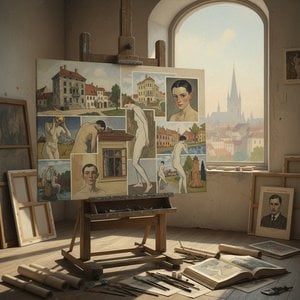
Egon Schiele: 25 Šedevrai, Atspindintys Menininko Sielą | ArtsDot.lt
Atraskite 25 įspūdingiausius Egon Schiele šedevrus! Gilinkitės į ekspresionizmo pasaulį, portretų istorijas ir unikalią menininko spalvų paletę. Aukštos kokybės reprodukcijos interjerui – ArtsDot.lt

Ephemeral Visions: Exploring the Artistic Legacy & Contemporary Practice of Watercolor Painting
Explore the captivating world of watercolor painting! Discover its rich history, essential techniques, influential artists & collecting tips. A comprehensive guide for art enthusiasts from ArtsDot.


