

 Peržiūrėti realaus dydžio版
 Pasidalinti
 Dalintis
 Išsamiau
 Vadovas

 Atsisiųsti
 Panašūs eksponatai
 Rentgeno spindulių nuotrauka
 Automatinė diorama
 问答
问答 Statistika
untitled (4129)

 Skaityti daugiau
Giclée / Meno spausdinimas
Muziejų lygio „giclée“ arba drobos spausdinimas: greita gamyba ir lankstios apdailos parinktys. ( Pirkti rankų darbo tapybą Perejti prie skaitmeninių vaizdų)




P118B €10

P118H €10

P118W €10

P438Z €10

P508JH €12

P508YH €12

P805H €10

P805Z €10

P919BZ €10

P919G €10

P919XJ €10

P959ZH €10

P968JZ €12

W106C €8

W218G €10

W218JH €8

W218Y €10

W307PJ €10

W316G €10

W316PJ €8

W316Y €10

W398PJ €8

W4111J €10

W500HY €15

W500JH €15

W692G €12

W849H €8

W940BG €15

W953PJ €8




Pasirinkite iš mūsų nustatytų dydžių, atitinkančių originalaus meno kūrinio proporcijas.

Įveskite jums reikiamą plotį ir aukštį, kad atvaizdas derėtų prie jūsų rėmo ar sienos. Spausdiną galima tik sumažinti, bet nepadidinti virš originalaus paveikslėlio dydžio, todėl keičiant proporcijas, dalis vaizdo prarandama. Prieš spausdinimą atsiųsime jums skaitmeninį maketą patvirtinimui. Šioje puslapio nuotraukoje matomas pjūvis nėra tikslus – jį rodo tik maketas.
Pristatymas visame pasaulyje () per 2 weeks, o ne įprastas 4/5 savaičių laikotarpis. (9 lapkritis)

Nemokamas greitasis pristatymas visame pasaulyje

Aukštos kokybės lininis drobė

Pilnas siuntimo draudimas

Muitinės mokesčių grąžinimo garantija

Tikro spalvų atitikimo garantija

100 dienų grąžinimo politika (tik esant įtaigoms)

100% pinigų grąžinimo garantija

Nuolaida dideliems užsakymams
 Stiklo variantas prieinamas tik pasirinkus dydį iki 110 cm

untitled (4129)
Giclée / Meno spausdinimas
Reprodukcijos matmenys
-


Bendroji kaina
€ 56
A Raw Expression of Mortality: Unveiling Egon Schiele’s “Untitled (4129)”
Egon Schiele's "Untitled (4129)" is not merely a painting; it’s a visceral encounter with the anxieties and obsessions that defined his tragically short life. Created in the tumultuous years leading up to his untimely death in 1918, this work embodies the core tenets of Expressionism – a rejection of academic realism in favor of conveying intense emotion and psychological states. The image depicts a nude male figure, arms raised skyward against a stark backdrop, a black hat perched atop his head, and most strikingly, a vibrant red body that seems to pulse with an unsettling energy. The inclusion of a woman’s face, fragmented and almost spectral, adds another layer of complexity, hinting at themes of desire, loss, and the inescapable presence of death – motifs deeply ingrained in Schiele's artistic vocabulary.
Decoding the Figure: Symbolism and Psychological Depth
Schiele’s figures are rarely straightforward representations; they are often distorted, elongated, and imbued with a palpable sense of unease. In “Untitled (4129),” the nakedness itself is profoundly significant. It's not simply an anatomical study but a deliberate stripping away of societal constraints, exposing vulnerability and confronting the viewer with the raw reality of human existence. The raised arms suggest both supplication and defiance – a reaching for something beyond comprehension, perhaps a desperate plea against the encroaching darkness. The red skin is particularly arresting; it’s not a celebratory hue but one tinged with blood, hinting at violence, suffering, or even self-destruction. The woman's face, partially obscured, could represent a lost love, a fleeting memory, or simply the embodiment of mortality itself – a constant reminder of the fragility of life.
The Language of Line and Color: Schiele’s Distinctive Style
Schiele's artistic signature lies in his masterful use of line. His drawings and paintings are characterized by jagged, restless lines that seem to vibrate with energy. This technique is particularly evident in “Untitled (4129),” where the contours of the figure are sharply defined, creating a sense of dynamism and movement. The color palette is equally arresting – dominated by stark contrasts between black and red. The use of bold, unmodulated colors contributes to the painting’s emotional intensity, amplifying the feeling of unease and psychological turmoil. Schiele deliberately avoided blending his colors, opting instead for sharp edges and distinct planes, further enhancing the sense of immediacy and raw emotion.
Contextualizing the Work: Schiele's Life and Artistic Vision
Born in Vienna in 1890, Egon Schiele’s life was tragically cut short at the age of 28. His early years were marked by illness and loss – the death of his father from syphilis profoundly impacted him, fueling a lifelong preoccupation with mortality and the human condition. His mentor, Gustav Klimt, introduced him to the world of art, but Schiele quickly forged his own unique path, rejecting the decorative style of Klimt in favor of a more emotionally charged and psychologically probing approach. During World War I, Schiele’s work became increasingly introspective and melancholic, reflecting the horrors of war and the pervasive sense of despair that gripped Europe. “Untitled (4129)” stands as a powerful testament to this period – a hauntingly beautiful depiction of vulnerability, loss, and the inescapable shadow of death.
ArtsDot offers meticulously crafted hand-painted reproductions of Egon Schiele’s "Untitled (4129)," allowing you to bring this emotionally resonant masterpiece into your home or office. Each reproduction is created by skilled artists using traditional techniques, ensuring an authentic representation of Schiele's distinctive style and the profound emotional impact of his work. Explore our collection today and experience the power of Expressionism firsthand.
Klausimai ir atsakymai
Ar „untitled (4129)“ yra viešosios teisės kūrinys?
Kalbant apie autorišką teisę, „untitled (4129)“ yra yra viešosios erdvės dalis – jo autorinė teisė pasibaigusi.
Kokio spalvų ryškumo turi „untitled (4129)“ – Egon Šylė?
„untitled (4129)“ – Egon Šylė pasižymi Vivid spalvų intensyvumu.
Koks yra rekomenduojamas „untitled (4129)“ spausdinimo formatas – koks dydis ir orientacija?
Rekomenduojama spausdinti „untitled (4129)“ – Egon Šylė reprodukciją Large dydį, Portrait formatu.
panašūs kūriniai


Autoriaus biografija
Egon Schiele
Austrijos pozicija dviejų pasaulinio karo horizonte buvo labai abejojanti: vienu metu ji buvo šiek tiek iš Šiaurės į rytus, lengvai įsitikinusi veiksmų vyrai. Mažėjęs šalis po 1918 m., beveik visiškai neišplitusi tarptautiniu pasauliu buvo lengvai įvykdinta Hitlerio Reichui 1938 m.; meno srityje tai reiškė kad modernizmo istorija buvo išvykstanti nuo Šiaurės iki pietų, su pagrindiniu dėmesiu į formą. Vokelių šiek tiek pripažino ekspresionizmą kaip svarbų meno srovę; jis buvo vienas iš žymiausius austrių artistas XX amžiaus pradžioje – kartu su Gustavu Klimtu ir Oskar Kokoschka išvykę į Vieną buvo laikomas vienu iš Žyduvo šimtmečio svarbiausių vizualinių menininkų.
Gyvenimas
Egonas Šylė gimė 1890 m. vasario 3 d. Tulne, Austrijoje. Jo tėvas Adolfas Šylė buvo Tulno geležinkelio stoties direktorius ir gimė 1851 m. Vienoje Adolfo Šyly tevai turėjo tris jaunesnes seseris: Elvirą, Melaniją ir Gertrūdą. Elvira mirė vaikyste dėl gimtinių sifiliso. Jo tėvas buvo užsikrėtęs sifiliu įsimėlynėje savo jaunystės metais po vienos jo naujosios žmonos išėjimo iš kambario.
Meno vystymasis
Šylė mokytojo Christian Griepenkerl įtaką išgyveno Vienoje 1907 m. ir G. Klimtas tapo jo svarbiu rėmėju. Šylė paliko akademiją 1906 m., nes jos mokymo metodai buvo labai konservatyvus, ir įkūrė Naują austrių dailės grupę 1909 m. Grupėje vyravo ekspresionistinė estetika, kuri iššūkiant šiuolaikinėms kultūros normas.
Žymūs kūriniai
Šylė buvo vienas iš žymiausius austrių artistas XX amžiaus pradžioje – kartu su Gustavu Klimtu ir Oskar Kokoschka išvykę į Vieną buvo laikomas vienu iš Žyduvo šimtmečio svarbiausių vizualinių menininkų. Šylė buvo ekspresionizmo meno srovės atstovas.
Žymūs veiksniai
Šylė buvo žinomas dėl savo iššūkiantį įžiūrą į pasaulio problemas ir šiuolaikinę estetika, kuri iššūkiant šiuolaikinėms kultūros normas. Šylė buvo ekspresionizmo meno srovės atstovas.

Egon Šylė
1890 - 1918 , Austrija
Trumpa informacija
- Artistic Movement Or Style: Ekspresionizmas
- Artists Who Influenced This Artist: ['Gustavas Klimtas']
- Date Of Birth: 1890 m.
- Date Of Death: 1918 m.
- Full Name: Egon Schiele
- Nationality: Austras
- Notable Artworks:
- Savęs portretas su fizižalis
- Porą įemčianti
- Žemės apėjimų kraštovaizdis
- Place Of Birth: Tulnas, Austrija
Susiję straipsniai

Egon Schiele: Expressionism, Anxiety & the Modern Condition – A Comprehensive Exploration
Explore the emotionally charged world of Egon Schiele (1890-1918). Discover his Expressionist masterpieces, psychological themes, and lasting impact on modern art. A comprehensive guide for collectors & enthusiasts.

Mark Rothko: 25 Šedevrai, Apibūdinantys Spalvų Ir Jaustmo Gylį | ArtsDot
Atraskite 25 įspūdingiausius Mark Rothko kūrinius! Gilinkitės į abstraktaus meno spalvų laukus, ekspresionizmą ir jaustmingas tapybas. Meno reprodukcijos aukščiausia kokybe – ArtsDot.com

Ekspresionizmo Deimantai: 10 Šedevrai Jūsų Namų Dekorui
Atraskite ekspresionizmo šedevrus! 10 įtakingiausių meno kūrinių, atskleisiančių Muncho, Kirchnerio ir kitų meistrų emocijas. Išmokite apie tapybos stilius bei spalvų paletę. Aukščiausios kokybės dailės reprodukcijos jūsų namams – ArtsDot.com.

Dark Masterpieces: 10 Iconic Paintings Dominated by Black Tones |
Explore 10 iconic paintings dominated by black tones, from Rembrandt’s chiaroscuro to Goya's dark expressions. Discover the stories behind these masterpieces & find museum-quality art reproductions for your home at .
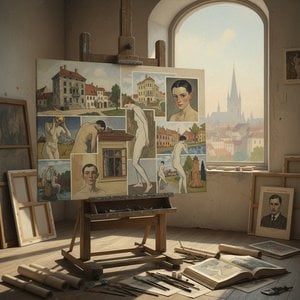
Egon Schiele: 25 Šedevrai, Atspindintys Menininko Sielą | ArtsDot.lt
Atraskite 25 įspūdingiausius Egon Schiele šedevrus! Gilinkitės į ekspresionizmo pasaulį, portretų istorijas ir unikalią menininko spalvų paletę. Aukštos kokybės reprodukcijos interjerui – ArtsDot.lt


