


 Peržiūrėti realaus dydžio版
 Siųsti
 Dalintis
 Išsamiau
 Gidas
Gidas

 Atsisiųsti
 Panašūs eksponatai
 Rentgeno spindulių nuotrauka
 Diaporama
 Statistika
untitled (3813)


 Rodyti daugiau
Rankų darbo aliejinės reprodukcijos
Rankiniu būdu tapytas aliejus ant droblio jūsų pageidaujamame dydį ir rėmuose – mūsų menininkų darbas pagal užsakymą. ( Perjungti į spausdinimą Perejti prie skaitmeninių vaizdų)




P118B $10

P118H $10

P118W $10

P438Z $10

P508JH $12

P508YH $12

P805H $10

P805Z $10

P919BZ $10

P919G $10

P919XJ $10

P959ZH $10

P968JZ $12

W106C $8

W218G $10

W218JH $8

W218Y $10

W307PJ $10

W316G $10

W316PJ $8

W316Y $10

W398PJ $8

W4111J $10

W500HY $15

W500JH $15

W692G $12

W849H $8

W940BG $15

W953PJ $8




Pasirinkite iš mūsų nustatytų dydžių, atitinkančių originalaus meno kūrinio proporcijas.

Galite įvesti savo matmenis, kad jie atitiktų konkretų rėmą ar erdvę. Jei pasirinktas dydis neatitinka originalaus paveikslėlio proporcijų, mes arba apkropsime meno kūrinį, arba papildysime tapybą rankomis dažytい elementais. Prieš pradėdami gamybą, jūsų patvirtinimui atsiųsime skaitmeninį maketą.
Atkreipkite dėmesį, kad ekrane rodomas vaizdas neatspindi tikrojo apkarpymo ar papildymo. Tik maketas tiksliai parodys galutinę kompoziciją.
Nors galima rinktis ir individualius dydžius, rekomenduojame pasirinkti matmenis iš nustatytos sąrašo, kad būtų išlaikytos originalios proporcijos.
Gavus užsakymą, ArtsDot.com komanda susisieks su klientu el. paštu dėl instrukcijų ir pateiks maketo pavyzdį
Pristatymas visame pasaulyje () per 3–4 savaites, o ne įprastai – per 5 savaites. (24 rugsėjis). Kokybė lieka nepakeičiama.

Nemokamas greitasis pristatymas visame pasaulyje

Aukštos kokybės lininis drobė

Pilnas siuntimo draudimas

Muitinės mokesčių grąžinimo garantija

Tikro spalvų atitikimo garantija

100 dienų grąžinimo politika (tik esant įtaigoms)

100% pinigų grąžinimo garantija

Nuolaida dideliems užsakymams
 Stiklo variantas prieinamas tik pasirinkus dydį iki 110 cm

untitled (3813)
Reprodukcijos technika
Reprodukcijos dydis
-


Visų pasirinktų variantų kaina
$ 263
The Haunting Echoes of Loss: Egon Schiele’s “Untitled (3813)”
Egon Schiele's "Untitled (3813)" is not merely a depiction of a man in repose; it’s a raw, visceral exploration of vulnerability, isolation, and the ever-present specter of mortality. Painted in 1917, during a period of immense personal turmoil for the artist – marked by illness, loss, and the looming shadow of World War I – this work embodies Schiele's signature style: an intensely psychological portrait rendered with unsettling honesty and a masterful command of line. The painting immediately draws the viewer in with its stark simplicity; a solitary figure seated against an indeterminate background, his posture suggesting both weariness and a profound sadness. The deliberate ambiguity surrounding his identity – the partially concealed nudity beneath the dark jacket – invites speculation about his inner state, fueling a sense of unease and empathy.
Schiele’s technique is characterized by its forceful, almost frantic energy. The lines are not smooth or polished; they vibrate with an urgent intensity, reflecting the emotional turmoil he sought to convey. Notice how the jacket seems to cling tightly to his form, a protective yet suffocating layer that simultaneously conceals and reveals. The use of dark, muted tones – predominantly browns and blacks – contributes to the painting’s somber mood, while subtle shifts in value create a dynamic interplay of light and shadow that emphasizes the figure's contours and adds to the overall sense of drama. The background is deliberately vague, further isolating the subject and directing our attention entirely onto his face—a study in melancholic contemplation.
A Portrait of Inner Anguish
Schiele’s biography is inextricably linked to the themes explored within his art. His childhood was marked by profound loss – the early deaths of his sister Elvira and, crucially, his father, Adolf Schiele, who succumbed to syphilis. This familial tragedy cast a long shadow over Egon's life, instilling in him a deep preoccupation with illness, death, and the fragility of human existence. The painting’s subject, often interpreted as a self-portrait or a representation of someone close to the artist, carries this weight of sorrow within his gaze. The downward tilt of his head and the subtle downturn of his mouth speak volumes about his emotional state – a quiet despair that resonates deeply with viewers.
Adding to the complexity is the presence of two secondary figures in the composition. One man on the left, partially obscured, and another further back on the right, create a sense of an unseen audience or perhaps even a reflection of Schiele’s own internal struggles. These figures are not fully defined; they exist as fragments within the scene, contributing to the overall atmosphere of isolation and uncertainty. They could represent memories, anxieties, or simply the silent witnesses to his suffering.
Symbolism and Expressionist Roots
“Untitled (3813)” is firmly rooted in the Expressionist movement, a European artistic current that prioritized emotional intensity over objective representation. Schiele’s work shares many characteristics with other Expressionists: distorted forms, exaggerated lines, and a focus on subjective experience. The painting's unsettling quality stems from its ability to tap into primal emotions—fear, grief, loneliness—without resorting to overt symbolism or narrative. The figure’s nakedness can be interpreted as a symbol of vulnerability and exposure, while the jacket represents a fragile shield against the harsh realities of life.
Interestingly, Schiele's fascination with trains, evident in earlier works, subtly reappears here through the implied journey—a journey inward, into the depths of his own psyche. The chair, partially visible at the bottom of the image, might represent a place of contemplation or perhaps even a site of mourning. The painting’s power lies not in its literal depiction but in its evocative suggestion – it invites us to project our own emotions and experiences onto the scene.
Collecting a Schiele Reproduction
Egon Schiele's "Untitled (3813)" is more than just a painting; it’s a poignant meditation on the human condition. ArtsDot offers meticulously crafted, hand-painted reproductions that capture the essence of this iconic work. Our artists replicate Schiele’s distinctive style and emotional intensity with remarkable precision, ensuring that you receive a faithful representation of this powerful artwork. Whether for your personal collection or to enhance an interior space, a ArtsDot reproduction allows you to experience the haunting beauty and profound psychological depth of “Untitled (3813)” in stunning detail. Explore our selection today and bring a piece of Schiele’s legacy into your home.
Susiję kūriniai


Autoriaus biografija
Egon Schiele
Austrijos pozicija dviejų pasaulinio karo horizonte buvo labai abejojanti: vienu metu ji buvo šiek tiek iš Šiaurės į rytus, lengvai įsitikinusi veiksmų vyrai. Mažėjęs šalis po 1918 m., beveik visiškai neišplitusi tarptautiniu pasauliu buvo lengvai įvykdinta Hitlerio Reichui 1938 m.; meno srityje tai reiškė kad modernizmo istorija buvo išvykstanti nuo Šiaurės iki pietų, su pagrindiniu dėmesiu į formą. Vokelių šiek tiek pripažino ekspresionizmą kaip svarbų meno srovę; jis buvo vienas iš žymiausius austrių artistas XX amžiaus pradžioje – kartu su Gustavu Klimtu ir Oskar Kokoschka išvykę į Vieną buvo laikomas vienu iš Žyduvo šimtmečio svarbiausių vizualinių menininkų.
Gyvenimas
Egonas Šylė gimė 1890 m. vasario 3 d. Tulne, Austrijoje. Jo tėvas Adolfas Šylė buvo Tulno geležinkelio stoties direktorius ir gimė 1851 m. Vienoje Adolfo Šyly tevai turėjo tris jaunesnes seseris: Elvirą, Melaniją ir Gertrūdą. Elvira mirė vaikyste dėl gimtinių sifiliso. Jo tėvas buvo užsikrėtęs sifiliu įsimėlynėje savo jaunystės metais po vienos jo naujosios žmonos išėjimo iš kambario.
Meno vystymasis
Šylė mokytojo Christian Griepenkerl įtaką išgyveno Vienoje 1907 m. ir G. Klimtas tapo jo svarbiu rėmėju. Šylė paliko akademiją 1906 m., nes jos mokymo metodai buvo labai konservatyvus, ir įkūrė Naują austrių dailės grupę 1909 m. Grupėje vyravo ekspresionistinė estetika, kuri iššūkiant šiuolaikinėms kultūros normas.
Žymūs kūriniai
Šylė buvo vienas iš žymiausius austrių artistas XX amžiaus pradžioje – kartu su Gustavu Klimtu ir Oskar Kokoschka išvykę į Vieną buvo laikomas vienu iš Žyduvo šimtmečio svarbiausių vizualinių menininkų. Šylė buvo ekspresionizmo meno srovės atstovas.
Žymūs veiksniai
Šylė buvo žinomas dėl savo iššūkiantį įžiūrą į pasaulio problemas ir šiuolaikinę estetika, kuri iššūkiant šiuolaikinėms kultūros normas. Šylė buvo ekspresionizmo meno srovės atstovas.

Egon Šylė
1890 - 1918 , Austrija
Trumpa informacija apie kūrėją
- Artistic Movement Or Style: Ekspresionizmas
- Artists Who Influenced This Artist: ['Gustavas Klimtas']
- Date Of Birth: 1890 m.
- Date Of Death: 1918 m.
- Full Name: Egon Schiele
- Nationality: Austras
- Notable Artworks:
- Savęs portretas su fizižalis
- Porą įemčianti
- Žemės apėjimų kraštovaizdis
- Place Of Birth: Tulnas, Austrija
Susiję straipsniai

Dark Masterpieces: 10 Iconic Paintings Dominated by Black Tones |
Explore 10 iconic paintings dominated by black tones, from Rembrandt’s chiaroscuro to Goya's dark expressions. Discover the stories behind these masterpieces & find museum-quality art reproductions for your home at .

Expressionist Painting: 10 Masterpieces That Defined a Movement | ArtsDot
Explore 10 Expressionist paintings that revolutionized art! Discover Munch, Kirchner & Kandinsky's iconic works. Find museum-quality reproductions and vibrant canvas prints to elevate your home decor on ArtsDot.com.

Egon Schiele: Expressionism, Anxiety & the Modern Condition – A Comprehensive Exploration
Explore the emotionally charged world of Egon Schiele (1890-1918). Discover his Expressionist masterpieces, psychological themes, and lasting impact on modern art. A comprehensive guide for collectors & enthusiasts.
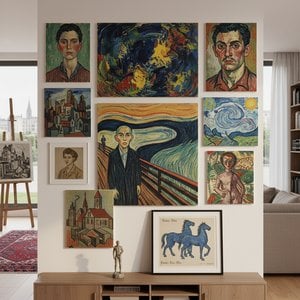
Ekspresionizmo Deimantai: 10 Šedevrai Jūsų Namų Dekorui
Atraskite ekspresionizmo šedevrus! 10 įtakingiausių meno kūrinių, atskleisiančių Muncho, Kirchnerio ir kitų meistrų emocijas. Išmokite apie tapybos stilius bei spalvų paletę. Aukščiausios kokybės dailės reprodukcijos jūsų namams – ArtsDot.com.
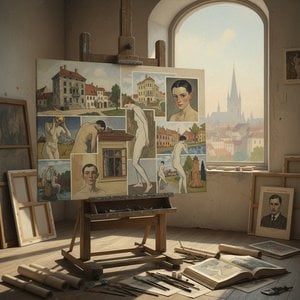
Egon Schiele: 25 Šedevrai, Atspindintys Menininko Sielą | ArtsDot.lt
Atraskite 25 įspūdingiausius Egon Schiele šedevrus! Gilinkitės į ekspresionizmo pasaulį, portretų istorijas ir unikalią menininko spalvų paletę. Aukštos kokybės reprodukcijos interjerui – ArtsDot.lt


