


 Peržiūrėti realaus dydžio版
 Siųsti
 Dalintis
 Išsamiau
 Vadovas

 Atsisiųsti
 Panašūs eksponatai
 Rentgeno spindulių nuotrauka
 Diaporama
 Statistika
Sunflower


 Rodyti daugiau
Rankų darbo aliejinės reprodukcijos
Rankiniu būdu tapytas aliejus ant droblio jūsų pageidaujamame dydį ir rėmuose – mūsų menininkų darbas pagal užsakymą. ( Perjungti į spausdinimą Perejti prie skaitmeninių vaizdų)




P118B $10

P118H $10

P118W $10

P438Z $10

P508JH $12

P508YH $12

P805H $10

P805Z $10

P919BZ $10

P919G $10

P919XJ $10

P959ZH $10

P968JZ $12

W106C $8

W218G $10

W218JH $8

W218Y $10

W307PJ $10

W316G $10

W316PJ $8

W316Y $10

W398PJ $8

W4111J $10

W500HY $15

W500JH $15

W692G $12

W849H $8

W940BG $15

W953PJ $8




Pasirinkite iš mūsų nustatytų dydžių, atitinkančių originalaus meno kūrinio proporcijas.

Galite įvesti savo matmenis, kad jie atitiktų konkretų rėmą ar erdvę. Jei pasirinktas dydis neatitinka originalaus paveikslėlio proporcijų, mes arba apkropsime meno kūrinį, arba papildysime tapybą rankomis dažytい elementais. Prieš pradėdami gamybą, jūsų patvirtinimui atsiųsime skaitmeninį maketą.
Atkreipkite dėmesį, kad ekrane rodomas vaizdas neatspindi tikrojo apkarpymo ar papildymo. Tik maketas tiksliai parodys galutinę kompoziciją.
Nors galima rinktis ir individualius dydžius, rekomenduojame pasirinkti matmenis iš nustatytos sąrašo, kad būtų išlaikytos originalios proporcijos.
Gavus užsakymą, ArtsDot.com komanda susisieks su klientu el. paštu dėl instrukcijų ir pateiks maketo pavyzdį
Pristatymas visame pasaulyje () per 3–4 savaites, o ne įprastai – per 5 savaites. (27 rugsėjis). Kokybė lieka nepakeičiama.

Nemokamas greitasis pristatymas visame pasaulyje

Aukštos kokybės lininis drobė

Pilnas siuntimo draudimas

Muitinės mokesčių grąžinimo garantija

Tikro spalvų atitikimo garantija

100 dienų grąžinimo politika (tik esant įtaigoms)

100% pinigų grąžinimo garantija

Nuolaida dideliems užsakymams
 Stiklo variantas prieinamas tik pasirinkus dydį iki 110 cm

Sunflower
Reprodukcijos technika
Reprodukcijos dydis
-


Visų pasirinktų variantų kaina
$ 263
A Silent Bloom Amidst Darkness: The Haunting Beauty of Schiele’s Sunflower
In the vast landscape of early 20th-century art, few images possess the quiet, unsettling magnetism of Egon Schiele’s Sunflower. Created in 1909, this work transcends the traditional boundaries of botanical illustration to offer a profound psychological portrait. While many are familiar with the vibrant, sun-drenched ecstasy of Van Gogh’s sunflowers, Schiele presents us with something entirely different: a specimen that feels as much like a living soul as it does a flower. The painting captures a sense of fragile existence, where the sunflower stands not in triumph, but in a state of delicate, melancholic transition. It is a piece that invites the viewer into a world of introspection, making it an extraordinary choice for those who appreciate art that speaks to the deeper, more complex layers of the human condition.
The composition is defined by its striking, elongated format, which creates a sense of vertical tension and isolation. Schiele utilizes a stark, minimalist background that strips away all environmental context, forcing our gaze to confront the subject in its rawest form. The sunflower itself is depicted with an angularity and a certain skeletal grace characteristic of the Expressionist movement. We see a heavy, dark center—a void-like heart that seems to pull at the viewer’s attention—surrounded by petals that appear to be fading or perhaps even decaying. This deliberate focus on the ephemeral nature of life serves as a poignant metaphor for Schiele's own preoccupations with mortality and the fleeting beauty found within vulnerability.
Technique, Texture, and the Expressionist Spirit
Executed in oil on canvas, the technical mastery of this piece lies in its ability to balance intricate detail with raw, emotive energy. Schiele’s brushwork is deliberate and textured, creating a surface that feels palpable and alive. There is a rhythmic quality to the way he applies paint, using layered strokes to build a sense of weight in the flower's head while maintaining a delicate lightness in the surrounding smaller blooms. The color palette is a sophisticated study in contrasts; rich, vibrant yellows are tempered by earthy, autumnal tones and deep, shadowy hues. This interplay of light and dark does more than just create depth—it establishes a mood of "silent darkness," as if the flower is emerging from, or perhaps receding into, an internal psychological landscape.
For the discerning collector or interior designer, this painting offers a unique opportunity to introduce a focal point that is both intellectually stimulating and aesthetically profound. The way the light catches the textured oil pigments makes the piece dynamic, changing character depending on the lighting of the room. It possesses a timeless quality that complements both modern minimalist spaces and more traditional, classical settings. To possess a high-quality reproduction of this work is to bring a piece of art history into one's home—a piece that does not merely decorate a wall but serves as a window into the turbulent, beautiful spirit of the Austrian Expressionist era.
Ultimately, Schiele’s Sunflower is an invitation to contemplate the beauty found in imperfection and the strength found in fragility. It is a masterpiece of emotional resonance, capturing that precise moment where life meets its inevitable decline, yet doing so with such exquisite artistry that the viewer cannot help but be moved. Whether viewed as a study in color, a triumph of technique, or a profound philosophical statement, it remains an enduring icon of modern art.
Autoriaus biografija
Egon Schiele
Austrijos pozicija dviejų pasaulinio karo horizonte buvo labai abejojanti: vienu metu ji buvo šiek tiek iš Šiaurės į rytus, lengvai įsitikinusi veiksmų vyrai. Mažėjęs šalis po 1918 m., beveik visiškai neišplitusi tarptautiniu pasauliu buvo lengvai įvykdinta Hitlerio Reichui 1938 m.; meno srityje tai reiškė kad modernizmo istorija buvo išvykstanti nuo Šiaurės iki pietų, su pagrindiniu dėmesiu į formą. Vokelių šiek tiek pripažino ekspresionizmą kaip svarbų meno srovę; jis buvo vienas iš žymiausius austrių artistas XX amžiaus pradžioje – kartu su Gustavu Klimtu ir Oskar Kokoschka išvykę į Vieną buvo laikomas vienu iš Žyduvo šimtmečio svarbiausių vizualinių menininkų.
Gyvenimas
Egonas Šylė gimė 1890 m. vasario 3 d. Tulne, Austrijoje. Jo tėvas Adolfas Šylė buvo Tulno geležinkelio stoties direktorius ir gimė 1851 m. Vienoje Adolfo Šyly tevai turėjo tris jaunesnes seseris: Elvirą, Melaniją ir Gertrūdą. Elvira mirė vaikyste dėl gimtinių sifiliso. Jo tėvas buvo užsikrėtęs sifiliu įsimėlynėje savo jaunystės metais po vienos jo naujosios žmonos išėjimo iš kambario.
Meno vystymasis
Šylė mokytojo Christian Griepenkerl įtaką išgyveno Vienoje 1907 m. ir G. Klimtas tapo jo svarbiu rėmėju. Šylė paliko akademiją 1906 m., nes jos mokymo metodai buvo labai konservatyvus, ir įkūrė Naują austrių dailės grupę 1909 m. Grupėje vyravo ekspresionistinė estetika, kuri iššūkiant šiuolaikinėms kultūros normas.
Žymūs kūriniai
Šylė buvo vienas iš žymiausius austrių artistas XX amžiaus pradžioje – kartu su Gustavu Klimtu ir Oskar Kokoschka išvykę į Vieną buvo laikomas vienu iš Žyduvo šimtmečio svarbiausių vizualinių menininkų. Šylė buvo ekspresionizmo meno srovės atstovas.
Žymūs veiksniai
Šylė buvo žinomas dėl savo iššūkiantį įžiūrą į pasaulio problemas ir šiuolaikinę estetika, kuri iššūkiant šiuolaikinėms kultūros normas. Šylė buvo ekspresionizmo meno srovės atstovas.

Egon Šylė
1890 - 1918 , Austrija
Trumpa informacija apie kūrėją
- Artistic Movement Or Style: Ekspresionizmas
- Artists Who Influenced This Artist: ['Gustavas Klimtas']
- Date Of Birth: 1890 m.
- Date Of Death: 1918 m.
- Full Name: Egon Schiele
- Nationality: Austras
- Notable Artworks:
- Savęs portretas su fizižalis
- Porą įemčianti
- Žemės apėjimų kraštovaizdis
- Place Of Birth: Tulnas, Austrija
Susiję straipsniai

Kodėl aliejiniai paveikslai yra ant lineno: 300 GSM audinys po dažais
Sužinokite, kodėl ArtsDot rankinio tapymo aliejuje naudojamas aukščiausios kokybės 300 GSM lininio drobos audinys. Sužinokite, kaip pranašus flaxo plaušų stiprumas ir tekstūra užtikrina archyvinį stabilumą, apsaugo nuo lūžių ir suteikia profesionalų paviršiaus tekstūrą (tooth), kurios siekia meistrai, siekdami ilgaamžio aukštos klasės meno.
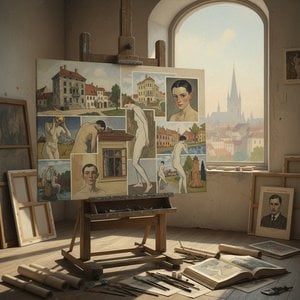
Egon Schiele: 25 Šedevrai, Atspindintys Menininko Sielą | ArtsDot.lt
Atraskite 25 įspūdingiausius Egon Schiele šedevrus! Gilinkitės į ekspresionizmo pasaulį, portretų istorijas ir unikalią menininko spalvų paletę. Aukštos kokybės reprodukcijos interjerui – ArtsDot.lt

Rėmas nėra neutralus: vadovas po erų, kaip rinktis tinkamą (ir penkios klaidos, kurios kainuoja daugiau nei pati paveikslas)
Nustatykite brangias kadravimo klaidas. Sužinokite nuo „ArtsDot“ ekspertų, kaip parinkti rėmus atitinkančius meno epochas, paletę ir medžiagas. Mūsų profesionali vadovė atskleidžia esminius taisyklių rinkinį – nuo senovės meistrų iki pop meno – kad jūsų kolekcija atrodytų tarsi iš muziejaus, o ne kaip atsitiktinis priedas.

500 pikselių taisyklė: kas iš tikrųjų daro nuotrauką pakal向き, kad ji taptų aliejiniu paveiksliu
Nustatykite neefektyvų išteklių naudojimą: nustatykite, kad jūsų nuotraukos būtų idealios rankinio tapybos aliejiniu dažais portretams. Sužinokite „500 pikselių taisyklę“ nuo meno ekspertų ir sužinokite, kaip是为了 skreso, šviesa ir geometrinės formos veikia panašumą bei kaip išvengti dažnų nuotraukų kompresijos klaidų.
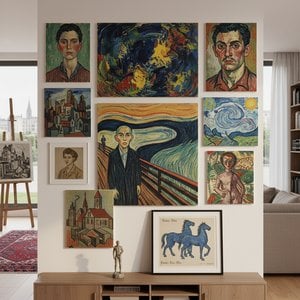
Ekspresionizmo Deimantai: 10 Šedevrai Jūsų Namų Dekorui
Atraskite ekspresionizmo šedevrus! 10 įtakingiausių meno kūrinių, atskleisiančių Muncho, Kirchnerio ir kitų meistrų emocijas. Išmokite apie tapybos stilius bei spalvų paletę. Aukščiausios kokybės dailės reprodukcijos jūsų namams – ArtsDot.com.


