


 Peržiūrėti realaus dydžio版
 Siųsti
 Dalintis
 Išsamiau
 Vadovas

 Atsisiųsti
 Panašūs eksponatai
 Rentgeno spindulių nuotrauka
 Diaporama
 Statistika
River Landscape
 Oil On Canvas
- WallArt
- Art Nouveau
 1913
1913- Modern
 88.0 x 89.0 cm
 Rodyti daugiau
Giclée / Meno spausdinimas
Muziejų lygio „giclée“ arba drobos spausdinimas: greita gamyba ir lankstios apdailos parinktys. ( Pirkti rankomis tapytą reprodukciją Perejti prie skaitmeninių vaizdų)




P118B €10

P118H €10

P118W €10

P438Z €10

P508JH €12

P508YH €12

P805H €10

P805Z €10

P919BZ €10

P919G €10

P919XJ €10

P959ZH €10

P968JZ €12

W106C €8

W218G €10

W218JH €8

W218Y €10

W307PJ €10

W316G €10

W316PJ €8

W316Y €10

W398PJ €8

W4111J €10

W500HY €15

W500JH €15

W692G €12

W849H €8

W940BG €15

W953PJ €8




Pasirinkite iš mūsų nustatytų dydžių, atitinkančių originalaus meno kūrinio proporcijas.

Įveskite jums reikiamą plotį ir aukštį, kad atvaizdas derėtų prie jūsų rėmo ar sienos. Spausdiną galima tik sumažinti, bet nepadidinti virš originalaus paveikslėlio dydžio, todėl keičiant proporcijas, dalis vaizdo prarandama. Prieš spausdinimą atsiųsime jums skaitmeninį maketą patvirtinimui. Šioje puslapio nuotraukoje matomas pjūvis nėra tikslus – jį rodo tik maketas.
Pristatymas visame pasaulyje () per 2 weeks, o ne įprastas 4/5 savaičių laikotarpis. (22 spalis)

Nemokamas greitasis pristatymas visame pasaulyje

Aukštos kokybės lininis drobė

Pilnas siuntimo draudimas

Muitinės mokesčių grąžinimo garantija

Tikro spalvų atitikimo garantija

100 dienų grąžinimo politika (tik esant įtaigoms)

100% pinigų grąžinimo garantija

Nuolaida dideliems užsakymams
 Stiklo variantas prieinamas tik pasirinkus dydį iki 110 cm

River Landscape
Giclée / Meno spausdinimas
Reprodukcijos dydis
-


Visų pasirinktų variantų kaina
€ 54
River Landscape by Egon Schiele: A Journey Through Expressionist Serenity
Egon Schiele, an Austrian Expressionist painter renowned for his emotionally charged portraits and landscapes, created the captivating oil on canvas painting titled River Landscape in 1913. This artwork is a quintessential representation of Art Nouveau influences blended with early Expressionist sensibilities, characterized by its emphasis on natural forms, flowing lines, and a palpable sense of introspection.
Composition and Visual Elements
Measuring 88 x 89 cm, River Landscape presents a serene vista dominated by a gently winding river that carves through a valley. Towering mountains rise in the background, their peaks adorned with trees, creating a layered depth within the composition. The presence of two figures subtly integrated into the scene adds a human element to the otherwise tranquil environment, hinting at a narrative without explicitly defining it. Schiele’s use of color is deliberate; earthy tones dominate the foreground, contrasting with the cooler blues and purples of the distant mountains and sky. Bold brushstrokes contribute to the painting's dynamic energy, while the flattened perspective enhances its dreamlike quality.
Artistic Style and Technique
Schiele’s artistic style in River Landscape reflects a departure from traditional representational art, embracing the expressive freedom of Expressionism. While influenced by Art Nouveau’s organic forms and flowing lines, Schiele infuses his work with a raw emotional intensity that is distinctly his own. The visible brushstrokes and textured surface demonstrate a direct engagement with the medium, conveying a sense of immediacy and authenticity. He utilizes layering techniques to build depth and create visual interest, while also employing atmospheric perspective to suggest distance in the mountainous backdrop. This combination of stylistic elements results in a painting that is both visually striking and emotionally resonant.
Historical Context and Symbolism
The Art Nouveau period, which preceded and influenced Schiele’s work, emphasized aesthetic beauty and natural motifs. However, Schiele's River Landscape moves beyond mere decorative representation, delving into deeper psychological territory. Created in the years leading up to World War I, the painting can be interpreted as reflecting a sense of underlying anxiety and uncertainty prevalent during that era. The river itself may symbolize the flow of life, while the mountains represent enduring strength and stability. The two figures within the landscape could embody human connection or isolation amidst the vastness of nature. The tree, reaching towards the sky, is often seen as a symbol of growth, resilience, and spiritual aspiration.
Emotional Impact and Legacy
River Landscape evokes a sense of quiet contemplation and introspective melancholy. The painting’s subdued color palette and expressive brushwork create an atmosphere that is both calming and unsettling. Schiele's ability to capture the essence of nature while simultaneously conveying complex emotions makes this artwork a powerful testament to his artistic genius. The influence of Art Nouveau can be seen in various modern art movements, including Expressionism and Fauvism. Schiele’s work, particularly River Landscape, demonstrates the evolution of artistic styles over time and continues to inspire artists and collectors alike.
问答 (or more naturally for a website heading): Klausimai ir atsakymai
Kokią emociją perteikia „River Landscape“, autorius – Egon Šylė?
„River Landscape“ siejama su Reflective jausmu. Emocinis tonas aprašo įspūdį, kurį sukelia kūrinys.
Kaip judėjimas ir epocha susitinka kūryboje „River Landscape“, autorius – Egon Šylė?
„River Landscape“, autorius – Egon Šylė priskiriamas Art Nouveau stiliui, kūrėjo prekiaujantem į Modernizmas laikotarpį.
Kokia spausdinimo konfigūracija rekomenduojama kūriniui „River Landscape“, autorius – Egon Šylė?
Rekomenduojama spausdinti „River Landscape“, autorius – Egon Šylė reprodukciją Large dydį, Square formatu.
Susiję kūriniai


Autoriaus biografija
Egon Schiele
Austrijos pozicija dviejų pasaulinio karo horizonte buvo labai abejojanti: vienu metu ji buvo šiek tiek iš Šiaurės į rytus, lengvai įsitikinusi veiksmų vyrai. Mažėjęs šalis po 1918 m., beveik visiškai neišplitusi tarptautiniu pasauliu buvo lengvai įvykdinta Hitlerio Reichui 1938 m.; meno srityje tai reiškė kad modernizmo istorija buvo išvykstanti nuo Šiaurės iki pietų, su pagrindiniu dėmesiu į formą. Vokelių šiek tiek pripažino ekspresionizmą kaip svarbų meno srovę; jis buvo vienas iš žymiausius austrių artistas XX amžiaus pradžioje – kartu su Gustavu Klimtu ir Oskar Kokoschka išvykę į Vieną buvo laikomas vienu iš Žyduvo šimtmečio svarbiausių vizualinių menininkų.
Gyvenimas
Egonas Šylė gimė 1890 m. vasario 3 d. Tulne, Austrijoje. Jo tėvas Adolfas Šylė buvo Tulno geležinkelio stoties direktorius ir gimė 1851 m. Vienoje Adolfo Šyly tevai turėjo tris jaunesnes seseris: Elvirą, Melaniją ir Gertrūdą. Elvira mirė vaikyste dėl gimtinių sifiliso. Jo tėvas buvo užsikrėtęs sifiliu įsimėlynėje savo jaunystės metais po vienos jo naujosios žmonos išėjimo iš kambario.
Meno vystymasis
Šylė mokytojo Christian Griepenkerl įtaką išgyveno Vienoje 1907 m. ir G. Klimtas tapo jo svarbiu rėmėju. Šylė paliko akademiją 1906 m., nes jos mokymo metodai buvo labai konservatyvus, ir įkūrė Naują austrių dailės grupę 1909 m. Grupėje vyravo ekspresionistinė estetika, kuri iššūkiant šiuolaikinėms kultūros normas.
Žymūs kūriniai
Šylė buvo vienas iš žymiausius austrių artistas XX amžiaus pradžioje – kartu su Gustavu Klimtu ir Oskar Kokoschka išvykę į Vieną buvo laikomas vienu iš Žyduvo šimtmečio svarbiausių vizualinių menininkų. Šylė buvo ekspresionizmo meno srovės atstovas.
Žymūs veiksniai
Šylė buvo žinomas dėl savo iššūkiantį įžiūrą į pasaulio problemas ir šiuolaikinę estetika, kuri iššūkiant šiuolaikinėms kultūros normas. Šylė buvo ekspresionizmo meno srovės atstovas.

Egon Šylė
1890 - 1918 , Austrija
Trumpa informacija apie kūrėją
- Artistic Movement Or Style: Ekspresionizmas
- Artists Who Influenced This Artist: ['Gustavas Klimtas']
- Date Of Birth: 1890 m.
- Date Of Death: 1918 m.
- Full Name: Egon Schiele
- Nationality: Austras
- Notable Artworks:
- Savęs portretas su fizižalis
- Porą įemčianti
- Žemės apėjimų kraštovaizdis
- Place Of Birth: Tulnas, Austrija
Susiję straipsniai

The Enduring Legacy of Oil on Canvas: Technique, History & Aesthetic Impact
Explore the rich history & techniques of oil painting – from Renaissance masters to Impressionism. Discover pigments, layering methods, and why this timeless medium endures. Expert insights for artists & art enthusiasts.

Oil on Canvas: A Historical & Technical Exploration of a Timeless Artistic Medium
Explore the rich history & enduring techniques of oil painting on canvas. Discover the science behind its longevity, conservation practices, and contemporary relevance. Expert insights for art enthusiasts.
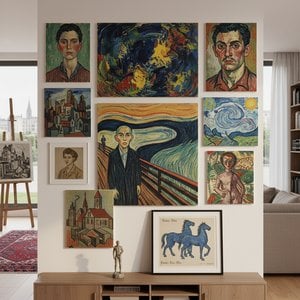
Ekspresionizmo Deimantai: 10 Šedevrai Jūsų Namų Dekorui
Atraskite ekspresionizmo šedevrus! 10 įtakingiausių meno kūrinių, atskleisiančių Muncho, Kirchnerio ir kitų meistrų emocijas. Išmokite apie tapybos stilius bei spalvų paletę. Aukščiausios kokybės dailės reprodukcijos jūsų namams – ArtsDot.com.
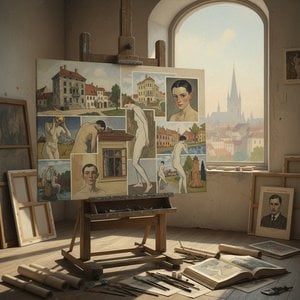
Egon Schiele: 25 Šedevrai, Atspindintys Menininko Sielą | ArtsDot.lt
Atraskite 25 įspūdingiausius Egon Schiele šedevrus! Gilinkitės į ekspresionizmo pasaulį, portretų istorijas ir unikalią menininko spalvų paletę. Aukštos kokybės reprodukcijos interjerui – ArtsDot.lt

Egon Schiele: Expressionism, Anxiety & the Modern Condition – A Comprehensive Exploration
Explore the emotionally charged world of Egon Schiele (1890-1918). Discover his Expressionist masterpieces, psychological themes, and lasting impact on modern art. A comprehensive guide for collectors & enthusiasts.


