

 Peržiūrėti realaus dydžio版
 Pasidalinti
 Dalintis
 Išsamiau
 Vadovas

 Atsisiųsti
 Panašūs eksponatai
 Rentgeno spindulių nuotrauka
 Automatinė diorama
 Q&A
Q&A Statistika
fighter 1913

 Skaityti daugiau
Giclée / Meno spausdinimas
Muziejų lygio „giclée“ arba drobos spausdinimas: greita gamyba ir lankstios apdailos parinktys. ( Pirkti rankų darbo tapybą Perejti prie skaitmeninių vaizdų)




P118B €10

P118H €10

P118W €10

P438Z €10

P508JH €12

P508YH €12

P805H €10

P805Z €10

P919BZ €10

P919G €10

P919XJ €10

P959ZH €10

P968JZ €12

W106C €8

W218G €10

W218JH €8

W218Y €10

W307PJ €10

W316G €10

W316PJ €8

W316Y €10

W398PJ €8

W4111J €10

W500HY €15

W500JH €15

W692G €12

W849H €8

W940BG €15

W953PJ €8




Pasirinkite iš mūsų nustatytų dydžių, atitinkančių originalaus meno kūrinio proporcijas.

Įveskite jums reikiamą plotį ir aukštį, kad atvaizdas derėtų prie jūsų rėmo ar sienos. Spausdiną galima tik sumažinti, bet nepadidinti virš originalaus paveikslėlio dydžio, todėl keičiant proporcijas, dalis vaizdo prarandama. Prieš spausdinimą atsiųsime jums skaitmeninį maketą patvirtinimui. Šioje puslapio nuotraukoje matomas pjūvis nėra tikslus – jį rodo tik maketas.
Pristatymas visame pasaulyje () per 2 weeks, o ne įprastas 4/5 savaičių laikotarpis. (2 lapkritis)

Nemokamas greitasis pristatymas visame pasaulyje

Aukštos kokybės lininis drobė

Pilnas siuntimo draudimas

Muitinės mokesčių grąžinimo garantija

Tikro spalvų atitikimo garantija

100 dienų grąžinimo politika (tik esant įtaigoms)

100% pinigų grąžinimo garantija

Nuolaida dideliems užsakymams
 Stiklo variantas prieinamas tik pasirinkus dydį iki 110 cm

fighter 1913
Giclée / Meno spausdinimas
Reprodukcijos matmenys
-


Bendroji kaina
€ 55
Egon Schiele’s Raw Intensity: “Fighter” (1913)
Egon Schiele's "Fighter," painted in 1913, is not merely a depiction of physical action; it’s a visceral embodiment of anxiety, struggle, and the precariousness of existence – hallmarks of the artist’s intensely personal brand of Expressionism. This arresting image, rendered with his signature agitated lines and unsettlingly direct gaze, offers a profound glimpse into the psychological landscape of a man on the brink, grappling with forces both internal and external. The painting's power lies not in idealized beauty or heroic grandeur, but in its brutally honest portrayal of human vulnerability.
The subject, a nude male figure caught mid-thrust, dominates the composition. His body is contorted, muscles straining, his face etched with a fierce determination that borders on desperation. The lines of his torso and limbs are sharp, almost violent, conveying a sense of raw energy and suppressed rage. Notice how Schiele eschews smooth transitions; every stroke feels deliberate, imbued with an urgency that mirrors the subject’s own internal turmoil. He doesn't shy away from depicting the physicality of the moment – the clenched fist, the exposed skin, the sweat glistening on his brow—creating a deeply affecting and immediate experience for the viewer.
A Study in Contrasts: Figures and Setting
While the central figure commands attention, Schiele masterfully employs a carefully orchestrated interplay of figures and setting to amplify the painting’s emotional resonance. A shadowy form lurks in the upper left corner, partially obscured yet undeniably present – perhaps representing an unseen opponent or a looming threat. At the bottom right, another individual observes the action, their posture suggesting both curiosity and apprehension. These secondary figures aren't mere background elements; they contribute to the sense of unease and heighten the feeling that this struggle is not isolated but part of a larger, more complex drama.
The inclusion of the simple cup on the left side of the scene adds another layer of intrigue. It’s an unexpected detail, seemingly out of place, yet it subtly anchors the composition and invites speculation. Is it a gesture of offering? A symbol of sustenance in times of hardship? Or simply a reminder of the mundane amidst the intensity of the moment? Schiele's deliberate ambiguity encourages viewers to actively engage with the painting, projecting their own interpretations onto its enigmatic elements.
The Shadow of Expressionism and Personal Tragedy
“Fighter” was created during a turbulent period in Schiele’s life. Following his father’s death from syphilis in 1908, a trauma that profoundly shaped his artistic vision, the artist faced increasing personal hardship and societal disapproval. His work became increasingly preoccupied with themes of mortality, sexuality, and psychological distress – subjects often deemed scandalous at the time. This painting exemplifies these concerns, reflecting Schiele's exploration of the darker aspects of human experience.
Schiele’s style—characterized by elongated figures, distorted perspectives, and a deliberate use of line to convey emotion—is deeply rooted in Expressionism, an artistic movement that sought to capture subjective feelings rather than objective reality. He shared affinities with artists like Gustav Klimt, though Schiele forged his own distinctive path, pushing the boundaries of representation and delving into realms of psychological intensity rarely explored by his contemporaries. The painting’s raw emotion and unflinching honesty are hallmarks of this approach.
Symbolism and Emotional Impact
Beyond its technical brilliance, “Fighter” resonates with a profound emotional depth. The figure's strained expression, the contorted posture, and the palpable sense of struggle evoke feelings of anxiety, vulnerability, and perhaps even despair. Schiele doesn’t offer easy answers or comforting resolutions; instead, he presents us with a raw and unflinching depiction of human suffering—a testament to the artist’s ability to capture the complexities of the human psyche. The painting's enduring power lies in its capacity to provoke introspection and remind us of our own shared vulnerability in the face of life’s challenges.
ArtsDot offers meticulously crafted, hand-painted reproductions of “Fighter,” allowing you to experience Schiele’s masterpiece in stunning detail and quality. Each reproduction is created by skilled artists using traditional techniques, ensuring an authentic representation of this iconic work of art. Explore our collection today and bring the intensity of Schiele's vision into your home or office.
Klausimai ir atsakymai
Ką vaizduoja „fighter 1913“ – Egon Šylė ir kokią nuota sukelia?
„fighter 1913“ – Egon Šylė vaizdelioje atspindžiami figure, violence, nakedness, intensity, struggle, death, line, tension, sukurti Dramatic nuotaika. Tematika ir atmosfera kartu apibūdina šį kūrinį.
Kokie kiti Egon Šylė vardai yra žinomi?
Egon Šylė taip pat žinomas (a) pavadinimais Leo Adolf Ludwig Šylė.
Kokią atmosferą į kambarį atneštų „fighter 1913“ – Egon Šylė reprodukcija?
„fighter 1913“ – Egon Šylė pasižymi Dramatic atmosfera ir yra rekomenduojamas Living Room. Nuotaika – tai tai, ką šis kūrinys suteikia aplinkinei erdvėje.
panašūs kūriniai


Autoriaus biografija
Egon Schiele
Austrijos pozicija dviejų pasaulinio karo horizonte buvo labai abejojanti: vienu metu ji buvo šiek tiek iš Šiaurės į rytus, lengvai įsitikinusi veiksmų vyrai. Mažėjęs šalis po 1918 m., beveik visiškai neišplitusi tarptautiniu pasauliu buvo lengvai įvykdinta Hitlerio Reichui 1938 m.; meno srityje tai reiškė kad modernizmo istorija buvo išvykstanti nuo Šiaurės iki pietų, su pagrindiniu dėmesiu į formą. Vokelių šiek tiek pripažino ekspresionizmą kaip svarbų meno srovę; jis buvo vienas iš žymiausius austrių artistas XX amžiaus pradžioje – kartu su Gustavu Klimtu ir Oskar Kokoschka išvykę į Vieną buvo laikomas vienu iš Žyduvo šimtmečio svarbiausių vizualinių menininkų.
Gyvenimas
Egonas Šylė gimė 1890 m. vasario 3 d. Tulne, Austrijoje. Jo tėvas Adolfas Šylė buvo Tulno geležinkelio stoties direktorius ir gimė 1851 m. Vienoje Adolfo Šyly tevai turėjo tris jaunesnes seseris: Elvirą, Melaniją ir Gertrūdą. Elvira mirė vaikyste dėl gimtinių sifiliso. Jo tėvas buvo užsikrėtęs sifiliu įsimėlynėje savo jaunystės metais po vienos jo naujosios žmonos išėjimo iš kambario.
Meno vystymasis
Šylė mokytojo Christian Griepenkerl įtaką išgyveno Vienoje 1907 m. ir G. Klimtas tapo jo svarbiu rėmėju. Šylė paliko akademiją 1906 m., nes jos mokymo metodai buvo labai konservatyvus, ir įkūrė Naują austrių dailės grupę 1909 m. Grupėje vyravo ekspresionistinė estetika, kuri iššūkiant šiuolaikinėms kultūros normas.
Žymūs kūriniai
Šylė buvo vienas iš žymiausius austrių artistas XX amžiaus pradžioje – kartu su Gustavu Klimtu ir Oskar Kokoschka išvykę į Vieną buvo laikomas vienu iš Žyduvo šimtmečio svarbiausių vizualinių menininkų. Šylė buvo ekspresionizmo meno srovės atstovas.
Žymūs veiksniai
Šylė buvo žinomas dėl savo iššūkiantį įžiūrą į pasaulio problemas ir šiuolaikinę estetika, kuri iššūkiant šiuolaikinėms kultūros normas. Šylė buvo ekspresionizmo meno srovės atstovas.

Egon Šylė
1890 - 1918 , Austrija
Trumpa informacija
- Artistic Movement Or Style: Ekspresionizmas
- Artists Who Influenced This Artist: ['Gustavas Klimtas']
- Date Of Birth: 1890 m.
- Date Of Death: 1918 m.
- Full Name: Egon Schiele
- Nationality: Austras
- Notable Artworks:
- Savęs portretas su fizižalis
- Porą įemčianti
- Žemės apėjimų kraštovaizdis
- Place Of Birth: Tulnas, Austrija
Susiję straipsniai
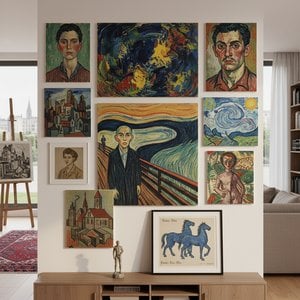
Ekspresionizmo Deimantai: 10 Šedevrai Jūsų Namų Dekorui
Atraskite ekspresionizmo šedevrus! 10 įtakingiausių meno kūrinių, atskleisiančių Muncho, Kirchnerio ir kitų meistrų emocijas. Išmokite apie tapybos stilius bei spalvų paletę. Aukščiausios kokybės dailės reprodukcijos jūsų namams – ArtsDot.com.
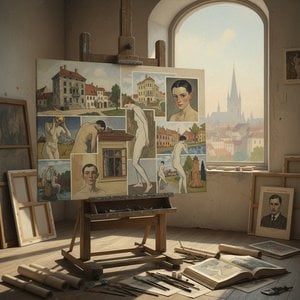
Egon Schiele: 25 Šedevrai, Atspindintys Menininko Sielą | ArtsDot.lt
Atraskite 25 įspūdingiausius Egon Schiele šedevrus! Gilinkitės į ekspresionizmo pasaulį, portretų istorijas ir unikalią menininko spalvų paletę. Aukštos kokybės reprodukcijos interjerui – ArtsDot.lt

Expressionist Painting: 10 Masterpieces That Defined a Movement | ArtsDot
Explore 10 Expressionist paintings that revolutionized art! Discover Munch, Kirchner & Kandinsky's iconic works. Find museum-quality reproductions and vibrant canvas prints to elevate your home decor on ArtsDot.com.

Egon Schiele: Expressionism, Anxiety & the Modern Condition – A Comprehensive Exploration
Explore the emotionally charged world of Egon Schiele (1890-1918). Discover his Expressionist masterpieces, psychological themes, and lasting impact on modern art. A comprehensive guide for collectors & enthusiasts.
Figurative Expressionism: Emotional Intensity & Subjective Reality in 20th-Century Art
Explore the powerful world of Figurative Expressionism with ArtsDot. Discover key artists like Kirchner & Beckmann, understand its emotional depth, and learn how to collect this influential 20th-century art movement.


