

 Peržiūrėti realaus dydžio版
 Pasidalinti
 Dalintis
 Išsamiau
 Vadovas

 Atsisiųsti
 Panašūs eksponatai
 Rentgeno spindulių nuotrauka
 Automatinė diorama
 问答
问答 Statistika
Due donne


 Skaityti daugiau
Giclée / Meno spausdinimas
Muziejų lygio „giclée“ arba drobos spausdinimas: greita gamyba ir lankstios apdailos parinktys. ( Pirkti rankų darbo tapybą Perejti prie skaitmeninių vaizdų)




P118B €10

P118H €10

P118W €10

P438Z €10

P508JH €12

P508YH €12

P805H €10

P805Z €10

P919BZ €10

P919G €10

P919XJ €10

P959ZH €10

P968JZ €12

W106C €8

W218G €10

W218JH €8

W218Y €10

W307PJ €10

W316G €10

W316PJ €8

W316Y €10

W398PJ €8

W4111J €10

W500HY €15

W500JH €15

W692G €12

W849H €8

W940BG €15

W953PJ €8




Pasirinkite iš mūsų nustatytų dydžių, atitinkančių originalaus meno kūrinio proporcijas.

Įveskite jums reikiamą plotį ir aukštį, kad atvaizdas derėtų prie jūsų rėmo ar sienos. Spausdiną galima tik sumažinti, bet nepadidinti virš originalaus paveikslėlio dydžio, todėl keičiant proporcijas, dalis vaizdo prarandama. Prieš spausdinimą atsiųsime jums skaitmeninį maketą patvirtinimui. Šioje puslapio nuotraukoje matomas pjūvis nėra tikslus – jį rodo tik maketas.
Pristatymas visame pasaulyje () per 2 weeks, o ne įprastas 4/5 savaičių laikotarpis. (4 lapkritis)

Nemokamas greitasis pristatymas visame pasaulyje

Aukštos kokybės lininis drobė

Pilnas siuntimo draudimas

Muitinės mokesčių grąžinimo garantija

Tikro spalvų atitikimo garantija

100 dienų grąžinimo politika (tik esant įtaigoms)

100% pinigų grąžinimo garantija

Nuolaida dideliems užsakymams
 Stiklo variantas prieinamas tik pasirinkus dydį iki 110 cm

Due donne
Giclée / Meno spausdinimas
Reprodukcijos matmenys
-


Bendroji kaina
€ 56
A Dance of Desire and Disquiet
In the hauntingly beautiful “Due donne” (Two Women), Egon Schiele invites us into a private, visceral world where intimacy is inseparable from tension. Painted in 1912, this masterpiece serves as a profound window into the soul of Austrian Expressionism, capturing a moment that feels both timeless and urgently modern. The painting depicts two figures entwined in a passionate embrace; one woman rests atop her companion, her hands grasping the other's neck with a grip that suggests both desperate clinging and a subtle, commanding dominance. As they exchange a kiss, the viewer is drawn into a palpable connection that transcends mere physical contact, touching instead upon the raw, unshielded nerves of human longing and vulnerability.
Schiele’s technique is nothing short of revolutionary, utilizing bold, jagged lines and a flattened perspective to amplify the psychological weight of the scene. Influenced by the structural lessons of Cézanne and the burgeoning movements of Cubism, he employs angular contours and simplified forms to create a sense of beautiful distortion. This deliberate departure from realistic representation allows the artist to bypass the surface of the skin and reach the tremors of the psyche beneath. The muted, almost melancholic palette further deepens the atmosphere, casting a shadow of fragility over the subjects, as if the very intensity of their connection might cause them to dissolve into the void.
The Echoes of a Changing Vienna
To understand the emotional gravity of “Due donne,” one must look toward the turbulent landscape of early twentieth-century Vienna. This was an era defined by profound societal upheaval, where the fading grandeur of the Habsburg Empire met the radical psychological discoveries of pioneers like Sigmund Freud. Schiele, a central figure in this intellectual revolution, used his canvas to react against the perceived decadence of bourgeois society. His work prioritizes subjective experience over objective reality, mirroring the anxieties of a world grappling with shifting notions of sexuality, mortality, and the instability of human relationships.
Symbolically, the painting operates on multiple layers of meaning. The physical intertwining of the women serves as a metaphor for the complexities of human desire—a force that is at once life-affirming and inherently risky. The tension in the hands, the way the bodies press against one another, and the starkness of the composition all speak to the inherent risks involved in true intimacy. For the collector or the admirer of fine art, this piece offers more than just a visual spectacle; it provides a profound meditation on the human condition, making it an extraordinary centerpiece for any collection dedicated to the exploration of emotion and the avant-garde.
An Essential Addition to the Discerning Collection
For interior designers and art enthusiasts seeking to infuse a space with intellectual depth and emotional resonance, a high-quality reproduction of “Due donne” offers unparalleled inspiration. The painting’s ability to command attention through its expressive linework and evocative subject matter makes it an ideal focal point for sophisticated environments. Whether placed in a contemporary gallery setting or a classic study, the work brings with it a sense of historical importance and a lingering, beautiful unease that sparks conversation.
Owning a piece that captures Schiele’s unique ability to expose the "nervous system" of his subjects is a rare opportunity. This artwork does not merely decorate a room; it transforms it, inviting guests to contemplate the delicate balance between passion and pain, strength and surrender. It remains a testament to a period of unparalleled artistic bravery, standing as a permanent tribute to the raw, unvarnished pulse of the human soul.
Klausimai ir atsakymai
Kokie kiti pseudonimai arba alternatyvūs vardai priklauso Egon Šylė?
Egon Šylė taip pat žinomas (žinoma) kaip Leo Adolf Ludwig Šylė.
Kur turėtų būti pakabinta „Due donne“ – Egon Šylė reprodukcija?
Savo Portrait forma „Due donne“ reprodukcija siūloma Restaurant kambariui.
Kokio atspalvio link tendencija yra „Due donne“?
Dominuojantis „Due donne“ – Egon Šylė atspalvis yra Ochre to Sepia.
panašūs kūriniai


Autoriaus biografija
Egon Schiele
Austrijos pozicija dviejų pasaulinio karo horizonte buvo labai abejojanti: vienu metu ji buvo šiek tiek iš Šiaurės į rytus, lengvai įsitikinusi veiksmų vyrai. Mažėjęs šalis po 1918 m., beveik visiškai neišplitusi tarptautiniu pasauliu buvo lengvai įvykdinta Hitlerio Reichui 1938 m.; meno srityje tai reiškė kad modernizmo istorija buvo išvykstanti nuo Šiaurės iki pietų, su pagrindiniu dėmesiu į formą. Vokelių šiek tiek pripažino ekspresionizmą kaip svarbų meno srovę; jis buvo vienas iš žymiausius austrių artistas XX amžiaus pradžioje – kartu su Gustavu Klimtu ir Oskar Kokoschka išvykę į Vieną buvo laikomas vienu iš Žyduvo šimtmečio svarbiausių vizualinių menininkų.
Gyvenimas
Egonas Šylė gimė 1890 m. vasario 3 d. Tulne, Austrijoje. Jo tėvas Adolfas Šylė buvo Tulno geležinkelio stoties direktorius ir gimė 1851 m. Vienoje Adolfo Šyly tevai turėjo tris jaunesnes seseris: Elvirą, Melaniją ir Gertrūdą. Elvira mirė vaikyste dėl gimtinių sifiliso. Jo tėvas buvo užsikrėtęs sifiliu įsimėlynėje savo jaunystės metais po vienos jo naujosios žmonos išėjimo iš kambario.
Meno vystymasis
Šylė mokytojo Christian Griepenkerl įtaką išgyveno Vienoje 1907 m. ir G. Klimtas tapo jo svarbiu rėmėju. Šylė paliko akademiją 1906 m., nes jos mokymo metodai buvo labai konservatyvus, ir įkūrė Naują austrių dailės grupę 1909 m. Grupėje vyravo ekspresionistinė estetika, kuri iššūkiant šiuolaikinėms kultūros normas.
Žymūs kūriniai
Šylė buvo vienas iš žymiausius austrių artistas XX amžiaus pradžioje – kartu su Gustavu Klimtu ir Oskar Kokoschka išvykę į Vieną buvo laikomas vienu iš Žyduvo šimtmečio svarbiausių vizualinių menininkų. Šylė buvo ekspresionizmo meno srovės atstovas.
Žymūs veiksniai
Šylė buvo žinomas dėl savo iššūkiantį įžiūrą į pasaulio problemas ir šiuolaikinę estetika, kuri iššūkiant šiuolaikinėms kultūros normas. Šylė buvo ekspresionizmo meno srovės atstovas.

Egon Šylė
1890 - 1918 , Austrija
Trumpa informacija
- Artistic Movement Or Style: Ekspresionizmas
- Artists Who Influenced This Artist: ['Gustavas Klimtas']
- Date Of Birth: 1890 m.
- Date Of Death: 1918 m.
- Full Name: Egon Schiele
- Nationality: Austras
- Notable Artworks:
- Savęs portretas su fizižalis
- Porą įemčianti
- Žemės apėjimų kraštovaizdis
- Place Of Birth: Tulnas, Austrija
Susiję straipsniai
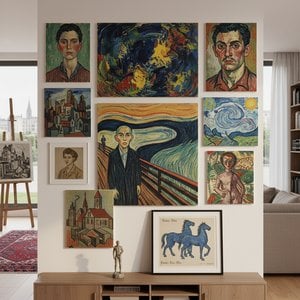
Ekspresionizmo Deimantai: 10 Šedevrai Jūsų Namų Dekorui
Atraskite ekspresionizmo šedevrus! 10 įtakingiausių meno kūrinių, atskleisiančių Muncho, Kirchnerio ir kitų meistrų emocijas. Išmokite apie tapybos stilius bei spalvų paletę. Aukščiausios kokybės dailės reprodukcijos jūsų namams – ArtsDot.com.

Egon Schiele: Expressionism, Anxiety & the Modern Condition – A Comprehensive Exploration
Explore the emotionally charged world of Egon Schiele (1890-1918). Discover his Expressionist masterpieces, psychological themes, and lasting impact on modern art. A comprehensive guide for collectors & enthusiasts.
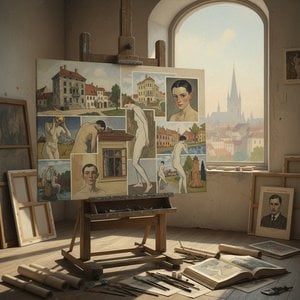
Egon Schiele: 25 Šedevrai, Atspindintys Menininko Sielą | ArtsDot.lt
Atraskite 25 įspūdingiausius Egon Schiele šedevrus! Gilinkitės į ekspresionizmo pasaulį, portretų istorijas ir unikalią menininko spalvų paletę. Aukštos kokybės reprodukcijos interjerui – ArtsDot.lt

10 Iconic Masterpieces That Celebrate the Female Figure
Journey through history with 10 iconic artworks celebrating the female figure. From Renaissance grace to modern aesthetics, explore the stories behind these timeless masterpieces and find museum-quality reproductions for your decor. Discover all masterpieces on ArtsDot.com.

Expressionist Painting: 10 Masterpieces That Defined a Movement | ArtsDot
Explore 10 Expressionist paintings that revolutionized art! Discover Munch, Kirchner & Kandinsky's iconic works. Find museum-quality reproductions and vibrant canvas prints to elevate your home decor on ArtsDot.com.


