


 Peržiūrėti realaus dydžio版
 Siųsti
 Dalintis
 Išsamiau
 Vadovas

 Atsisiųsti
 Panašūs eksponatai
 Rentgeno spindulių nuotrauka
 Diaporama
 Statistika
Dancer (Die Tänzerin)
 Acrylic On Canvas
- WallArt
- Expressionism
 1913
1913- Modern
 47.0 x 30.0 cm
 Rodyti daugiau
Giclée / Meno spausdinimas
Muziejų lygio „giclée“ arba drobos spausdinimas: greita gamyba ir lankstios apdailos parinktys. ( Pirkti rankomis tapytą reprodukciją Perejti prie skaitmeninių vaizdų)




P118B €10

P118H €10

P118W €10

P438Z €10

P508JH €12

P508YH €12

P805H €10

P805Z €10

P919BZ €10

P919G €10

P919XJ €10

P959ZH €10

P968JZ €12

W106C €8

W218G €10

W218JH €8

W218Y €10

W307PJ €10

W316G €10

W316PJ €8

W316Y €10

W398PJ €8

W4111J €10

W500HY €15

W500JH €15

W692G €12

W849H €8

W940BG €15

W953PJ €8




Pasirinkite iš mūsų nustatytų dydžių, atitinkančių originalaus meno kūrinio proporcijas.

Įveskite jums reikiamą plotį ir aukštį, kad atvaizdas derėtų prie jūsų rėmo ar sienos. Spausdiną galima tik sumažinti, bet nepadidinti virš originalaus paveikslėlio dydžio, todėl keičiant proporcijas, dalis vaizdo prarandama. Prieš spausdinimą atsiųsime jums skaitmeninį maketą patvirtinimui. Šioje puslapio nuotraukoje matomas pjūvis nėra tikslus – jį rodo tik maketas.
Pristatymas visame pasaulyje () per 2 weeks, o ne įprastas 4/5 savaičių laikotarpis. (21 spalis)

Nemokamas greitasis pristatymas visame pasaulyje

Aukštos kokybės lininis drobė

Pilnas siuntimo draudimas

Muitinės mokesčių grąžinimo garantija

Tikro spalvų atitikimo garantija

100 dienų grąžinimo politika (tik esant įtaigoms)

100% pinigų grąžinimo garantija

Nuolaida dideliems užsakymams
 Stiklo variantas prieinamas tik pasirinkus dydį iki 110 cm

Dancer (Die Tänzerin)
Giclée / Meno spausdinimas
Reprodukcijos dydis
-


Visų pasirinktų variantų kaina
€ 54
Subject and Composition
This exquisite artwork captures a contemplative female figure seated in a moment of introspection, embodying vulnerability and serenity. The figure’s gentle posture, with her head resting on her knee and arms wrapped around her legs, invites viewers into an intimate emotional space. Rendered with delicate precision, the composition emphasizes the fluidity of the human form, drawing attention to the subtle gestures that convey inner thought and quiet dignity. The plain background ensures the focus remains solely on the figure, enhancing its emotional resonance and visual clarity.Style and Technique
Created in 1913, this piece exemplifies early 20th-century modernist tendencies, characterized by its minimalist yet expressive line work. The artist employs fine, continuous lines—likely ink or graphite—to define the contours and gestures of the figure, capturing her essence with elegant simplicity. Soft watercolor or pastel accents subtly highlight her hair and lips, adding warmth and a touch of life to the monochromatic drawing. This harmonious blend of drawing and light color creates a balanced aesthetic that emphasizes emotional depth over detailed realism, showcasing the artist’s mastery of line and form.Historical Context and Artistic Significance
Produced during a vibrant period of artistic experimentation in Vienna, this work reflects the modernist movement’s focus on individual expression and psychological depth. The early 20th century was a time of upheaval and innovation, with artists like Egon Schiele pushing boundaries to explore raw emotion and human vulnerability. This piece embodies those ideals, capturing not just a figure but an emotional state—solitude, reflection, and gentle melancholy—making it a poignant example of modernist portraiture. Its restrained color palette and minimalist approach align with the artistic explorations of the era, emphasizing the power of line and gesture.Symbolism and Emotional Impact
The seated pose and introspective expression symbolize themes of solitude, self-awareness, and inner contemplation. The subtle emotional tone invites viewers to reflect on their own moments of quiet reflection and vulnerability. The restrained use of color enhances the sense of intimacy, allowing the viewer to connect deeply with the figure’s internal world. This artwork’s grace and subtlety evoke a sense of dignity and resilience, making it a compelling piece that resonates emotionally and intellectually.Perfect for Collection and Interior Design
Ideal for art lovers, collectors, and interior designers seeking a sophisticated and emotionally charged piece, this artwork offers both aesthetic beauty and cultural depth. Its timeless style complements a variety of interior themes—from modern minimalism to classic elegance—adding a touch of introspective serenity to any space. Whether displayed in a private collection or a contemporary gallery, this work promises to inspire and captivate, serving as a focal point that invites ongoing reflection and admiration. A high-quality reproduction of this piece will bring the profound artistry of Egon Schiele into your environment, enriching your space with its quiet strength and artistic finesse.问答 (or more naturally for a website heading): Klausimai ir atsakymai
Kokio meno kryžmės dalis yra „Dancer (Die Tänzerin)“, autorius – Egon Šylė?
Kūrinio „Dancer (Die Tänzerin)“, autorius – Egon Šylė stilius – Expressionism. Ši klasifikacija leidžia šį darbą įtraukti į bendrą susijusių menininkų ir kūrinių kontekstą.
Ką vaizduoja „Dancer (Die Tänzerin)“, autorius – Egon Šylė?
Darbos „Dancer (Die Tänzerin)“ temos yra line drawing, female figure, emotional expression, minimalist composition, introspective pose, subtle color accents, modernist style, contemplative mood.
Koks kontrastas pasižymi kūrinys „Dancer (Die Tänzerin)“, autorius – Egon Šylė?
Šviesos ir tamsos kontrastas kūriniame „Dancer (Die Tänzerin)“ yra nurodytas kaip Serene. Kontrastas aprašo, kaip stipriai skiriasi šviesios ir tamsios sritys.
Susiję kūriniai


Autoriaus biografija
Egon Schiele
Austrijos pozicija dviejų pasaulinio karo horizonte buvo labai abejojanti: vienu metu ji buvo šiek tiek iš Šiaurės į rytus, lengvai įsitikinusi veiksmų vyrai. Mažėjęs šalis po 1918 m., beveik visiškai neišplitusi tarptautiniu pasauliu buvo lengvai įvykdinta Hitlerio Reichui 1938 m.; meno srityje tai reiškė kad modernizmo istorija buvo išvykstanti nuo Šiaurės iki pietų, su pagrindiniu dėmesiu į formą. Vokelių šiek tiek pripažino ekspresionizmą kaip svarbų meno srovę; jis buvo vienas iš žymiausius austrių artistas XX amžiaus pradžioje – kartu su Gustavu Klimtu ir Oskar Kokoschka išvykę į Vieną buvo laikomas vienu iš Žyduvo šimtmečio svarbiausių vizualinių menininkų.
Gyvenimas
Egonas Šylė gimė 1890 m. vasario 3 d. Tulne, Austrijoje. Jo tėvas Adolfas Šylė buvo Tulno geležinkelio stoties direktorius ir gimė 1851 m. Vienoje Adolfo Šyly tevai turėjo tris jaunesnes seseris: Elvirą, Melaniją ir Gertrūdą. Elvira mirė vaikyste dėl gimtinių sifiliso. Jo tėvas buvo užsikrėtęs sifiliu įsimėlynėje savo jaunystės metais po vienos jo naujosios žmonos išėjimo iš kambario.
Meno vystymasis
Šylė mokytojo Christian Griepenkerl įtaką išgyveno Vienoje 1907 m. ir G. Klimtas tapo jo svarbiu rėmėju. Šylė paliko akademiją 1906 m., nes jos mokymo metodai buvo labai konservatyvus, ir įkūrė Naują austrių dailės grupę 1909 m. Grupėje vyravo ekspresionistinė estetika, kuri iššūkiant šiuolaikinėms kultūros normas.
Žymūs kūriniai
Šylė buvo vienas iš žymiausius austrių artistas XX amžiaus pradžioje – kartu su Gustavu Klimtu ir Oskar Kokoschka išvykę į Vieną buvo laikomas vienu iš Žyduvo šimtmečio svarbiausių vizualinių menininkų. Šylė buvo ekspresionizmo meno srovės atstovas.
Žymūs veiksniai
Šylė buvo žinomas dėl savo iššūkiantį įžiūrą į pasaulio problemas ir šiuolaikinę estetika, kuri iššūkiant šiuolaikinėms kultūros normas. Šylė buvo ekspresionizmo meno srovės atstovas.

Egon Šylė
1890 - 1918 , Austrija
Trumpa informacija apie kūrėją
- Artistic Movement Or Style: Ekspresionizmas
- Artists Who Influenced This Artist: ['Gustavas Klimtas']
- Date Of Birth: 1890 m.
- Date Of Death: 1918 m.
- Full Name: Egon Schiele
- Nationality: Austras
- Notable Artworks:
- Savęs portretas su fizižalis
- Porą įemčianti
- Žemės apėjimų kraštovaizdis
- Place Of Birth: Tulnas, Austrija
Susiję straipsniai

Ekspresionizmo Deimantai: 10 Šedevrai Jūsų Namų Dekorui
Atraskite ekspresionizmo šedevrus! 10 įtakingiausių meno kūrinių, atskleisiančių Muncho, Kirchnerio ir kitų meistrų emocijas. Išmokite apie tapybos stilius bei spalvų paletę. Aukščiausios kokybės dailės reprodukcijos jūsų namams – ArtsDot.com.

Egon Schiele: Expressionism, Anxiety & the Modern Condition – A Comprehensive Exploration
Explore the emotionally charged world of Egon Schiele (1890-1918). Discover his Expressionist masterpieces, psychological themes, and lasting impact on modern art. A comprehensive guide for collectors & enthusiasts.

The Dawn of Modernity: Artistic Responses to a Pivotal Year – 1913
Explore the revolutionary art of 1913 – a pivotal year for Modernism. Discover Cubist masterpieces, Russian Avant-Garde pioneers & key artists shaping a new era. Expert insights for discerning collectors.
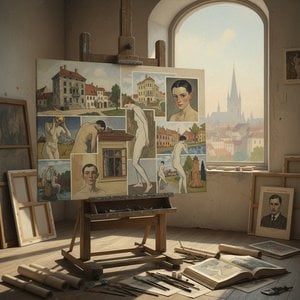
Egon Schiele: 25 Šedevrai, Atspindintys Menininko Sielą | ArtsDot.lt
Atraskite 25 įspūdingiausius Egon Schiele šedevrus! Gilinkitės į ekspresionizmo pasaulį, portretų istorijas ir unikalią menininko spalvų paletę. Aukštos kokybės reprodukcijos interjerui – ArtsDot.lt

Expressionist Painting: 10 Masterpieces That Defined a Movement | ArtsDot
Explore 10 Expressionist paintings that revolutionized art! Discover Munch, Kirchner & Kandinsky's iconic works. Find museum-quality reproductions and vibrant canvas prints to elevate your home decor on ArtsDot.com.


