

 Peržiūrėti realaus dydžio版
 Pasidalinti
 Dalintis
 Išsamiau
 Vadovas

 Atsisiųsti
 Panašūs eksponatai
 Rentgeno spindulių nuotrauka
 Automatinė diorama
 Q&A
Q&A Statistika
untitled (7523)

 Skaityti daugiau
Šiame puslapyje rodomas meno kūrinys yra saugomas autorių teisių įstatymais, todėl neturime teisės legaliai kurti ar parduoti jo identiškos reprodukcijos. Ši apsauga užtikrinama remiantis tokiais tarptautiniais susitarimais kaip Bernės konvencija ir pagal nacionalines įstatymų nuostatas, įskaitant tas, kurias nurodo JAV autoriškos teisės įstatymas – 17-asis skyrius.
Šis metodas visiškai atitinka autorių teises, nes jame nėra saugomo kūrinio kopijavimo ar dubliavimo. Tai yra kūrybinė reinterpretacija – naujas paveikslas, kurį įkvėpė originalas, tačiau kuris nėra jo identiškas.
Giclée / Meno spausdinimas
Muziejų lygio „giclée“ arba drobos spausdinimas: greita gamyba ir lankstios apdailos parinktys. ( Pirkti rankų darbo tapybą Perejti prie skaitmeninių vaizdų)




P118B €10

P118H €10

P118W €10

P438Z €10

P508JH €12

P508YH €12

P805H €10

P805Z €10

P919BZ €10

P919G €10

P919XJ €10

P959ZH €10

P968JZ €12

W106C €8

W218G €10

W218JH €8

W218Y €10

W307PJ €10

W316G €10

W316PJ €8

W316Y €10

W398PJ €8

W4111J €10

W500HY €15

W500JH €15

W692G €12

W849H €8

W940BG €15

W953PJ €8




Pasirinkite iš mūsų nustatytų dydžių, atitinkančių originalaus meno kūrinio proporcijas.

Įveskite jums reikiamą plotį ir aukštį, kad atvaizdas derėtų prie jūsų rėmo ar sienos. Spausdiną galima tik sumažinti, bet nepadidinti virš originalaus paveikslėlio dydžio, todėl keičiant proporcijas, dalis vaizdo prarandama. Prieš spausdinimą atsiųsime jums skaitmeninį maketą patvirtinimui. Šioje puslapio nuotraukoje matomas pjūvis nėra tikslus – jį rodo tik maketas.
Pristatymas visame pasaulyje () per 2 weeks, o ne įprastas 4/5 savaičių laikotarpis. (2 lapkritis)

Nemokamas greitasis pristatymas visame pasaulyje

Aukštos kokybės lininis drobė

Pilnas siuntimo draudimas

Muitinės mokesčių grąžinimo garantija

Tikro spalvų atitikimo garantija

100 dienų grąžinimo politika (tik esant įtaigoms)

100% pinigų grąžinimo garantija

Nuolaida dideliems užsakymams
 Stiklo variantas prieinamas tik pasirinkus dydį iki 110 cm

untitled (7523)
Giclée / Meno spausdinimas
Reprodukcijos matmenys
-


Bendroji kaina
€ 55
A Glimpse into Modern Life: Edward Hopper’s Untitled Social Gathering
This captivating work by *Edward Hopper*, tentatively titled “untitled (7523),” offers a compelling window into the social dynamics of early 20th-century America. While lacking a formal title, the painting powerfully conveys a sense of both connection and isolation within a bustling environment – a hallmark of Hopper’s artistic vision.Subject & Composition: A Moment Frozen in Time
The artwork depicts a crowded social gathering, likely an evening event attended by individuals from the upper classes. The composition is deliberately dense, filled with figures engaged in conversation and interaction. Hopper masterfully utilizes overlapping forms and varying degrees of focus to create depth, despite employing a somewhat flattened perspective characteristic of Impressionistic techniques. This compositional choice draws the viewer *into* the scene, making them feel like an observer amidst the conviviality. The arrangement isn’t chaotic; rather, it feels carefully orchestrated, guiding the eye through different groupings and interactions within the space.Style & Technique: Bridging Realism and Impressionism
Hopper's style in this piece blends elements of realism with the atmospheric qualities of Impressionism. The visible brushstrokes and layering of paint are key features, contributing to a sense of movement and immediacy. He deliberately blurs edges, softening forms and creating an overall hazy effect that enhances the painting’s emotional resonance. Oil paints on canvas were undoubtedly his medium of choice, allowing for this rich texture and nuanced color play. The technique isn't about precise representation; it’s about capturing a *feeling* – the energy and ambiance of the gathering.Historical Context & Influences
Born in 1882, Edward Hopper came of age during a period of rapid social change in America. He was influenced by French Impressionists like Édouard Manet and Edgar Degas, as well as the philosophical writings of Ralph Waldo Emerson. However, he forged his own unique path, rejecting pure Impressionism for a more starkly realistic portrayal of modern life. This painting reflects that transition – embracing the loose brushwork and atmospheric effects of Impressionism while maintaining a focus on depicting recognizable scenes and figures. Hopper’s work often grapples with themes of urban alienation and loneliness, even within social settings, foreshadowing anxieties that would become increasingly prevalent in the 20th century.Symbolism & Emotional Impact
The symbolism within “untitled (7523)” is subtle yet potent. The elegant attire worn by the figures signifies wealth and status, suggesting a privileged social circle. However, despite the outward appearance of conviviality, there’s an underlying sense of detachment. Hopper often depicted individuals lost in their own thoughts, even when surrounded by others, and this painting hints at that same emotional complexity.- The warm artificial lighting creates a somewhat theatrical atmosphere.
- It highlights certain figures while leaving others partially obscured, mirroring the selective nature of social interaction.
- The overall ambiance evokes both excitement and a quiet melancholy.
A Timeless Appeal for Collectors & Designers
“untitled (7523)” is more than just a depiction of a party; it’s a poignant commentary on the human condition. Its blend of stylistic influences, coupled with Hopper's masterful technique and insightful observation, makes it a compelling work for art lovers and collectors alike. For interior designers, this piece offers a sophisticated focal point that adds depth and intrigue to any space. A high-quality reproduction would bring a touch of classic American artistry and emotional resonance into the home or office.Klausimai ir atsakymai
Koks kontrastas pasižymi kūrinys „untitled (7523)“ – Edvardas Hoperis?
„untitled (7523)“ – Edvardas Hoperis pasižymi Statement šviesių ir tamsių sričių kontrastu.
Iš kokios šalies kilęs Impressionistic Realism kūrinys „untitled (7523)“?
„untitled (7523)“ sujungia Impressionistic Realism stilių su JAV, atspindėdama kūrėjo gimimo vietą.
Kaip kontrastas ir harmonija susilieja kūryboje „untitled (7523)“?
„untitled (7523)“ – Edvardas Hoperis spalvų kompozicijoje Statement kontrastas susilieja su Balanced Harmony harmonija.
panašūs kūriniai


Autoriaus biografija
Pastebėta vienuolystė: Edwardo Hopperio gyvenimas ir menas
Edwardas Hopperis – vardas, neatsiejamas nuo ramybės ir subtilaus melankolizmo, persmelkusių XX amžiaus Amerikos gyvenimą – nebuvo tik scenų paveikslų kūryjas; jis buvo šviesos ir šešėlio poetas, modernios izoliacijos kronika. Gimęs 1882 metais Nyake, Niujorke, viduriniuose šeimynės sluoksniuje, paveldėdamas olandų kilmę, Hopperis išaugo stabilioje aplinkoje, kuri puoselėjo jo menines polinkius. Nuo kruopščiai datuojamų ir pasirašytų vaikystės eskizų bylo, kad aštrus stebėjimas ir įgudintas piešimo talentas buvo esminė jo būties dalis. Nors iš pradžių tėvai skatino jį link komercinės iliustracijos – tai buvo pragmatiškas pasiūlymas – Hopperio ambicijos kreipėsi į grynuosius paveikslus, nukreipdami jį į Niujorko meno mokyklą, kur jis studijavo su Williamu Merrittu Chase'u ir Robertu Henriu. Šie formavimo metai įsisodinino ne tik techninę meistriškę, bet ir vertinimą realizmą bei įsipareigojimą vaizduoti pasaulį tokią, kokią jį matė – be pridėtinio dekoro ir nuoširdią. Ralph Waldo Emersono raštas giliai rezonavo su Hopperiu, sustiprindamas jo individualizmo jausmą ir aštrų stebėjimą – savybes, kurios tapo jo meninės vizijos žyminėmis požymiais. Ankstyvos kelionės į Paryziumą jį susaadė su impresionizmu, tačiau Hopperis greitai atsisakė jo skubiai keičiamų traukų, iškovodamas savo unikalią kelią.Savo balsas: Realizmas ir amerikietiška scena
Hopperio meninė kelionė nebuvo akimirksniu pasiekta ar be pastangų. Jis kovojo dėl savo išskirtinio stiliaus, eksperimentavo su įvairiomis kryptimis, kol galiausiai apsimeta savo karjerai apibrėžtą realizmu. Tai nebuvo tiesiog realybės kopijavimas; tai buvo jos esmės išgriežtėjimas, pašalinimas visų nereikalingų detalių, kad būtų atskleista giluminė emocinė tiesa. Jo paveikslai pradėjo susikoncentruoti į kasdienio gyvenimo scenas – namus, kavinėse, biurus, viešbučių kambarius – prisigimtą ramybe ir dažnai vienatvė. Jis turėjo neįtikėtiną gebė žmogaus psichologinės būsenos įamžinti, užsimindamas naratyvus be tiesioginių teiginių frazių. Tikslus šviesos ir šešėlio vaizdymas tapo esminiu elementu – ne tik kaip aprašomasis priemonė, bet kaip emocinis signalas, kuriantis aplinką, kurią vienu metu yra įtraukia ir nerūpiškai sukrėtė. Namai prie traukinio linijos (1925 m.), vienas ankstyvųjų šedevrų, pavyzdžiui šį požiūrį – iš pirmo žvilgsnio paprasta kompozicija, spinduliuojanti gilią izoliacijos ir misterijos pojūtį. Hopperio grafika, dažnai praleidama dėmesio, vyko paraleliai jo tapybai, dalindamiesi panašiais temais ir stilistinėmis savybėmis, demonstruodama jo meistriškumą dirbant su įvairiais mediais. Jis neinteresavosi didiniais istoriniais naratyvais ar alegoriniu simbolizmu; jis susikoncentruojo į kasdienybę, pakėldamas ją į aukštumas per kruopštų stebėjimą ir emocinį rezonansą.Ikoninės vizijos: „Nighthawks“ ir ne tik
Nors Hopperio karjera vystosi palaipsniui, kai kurie darbai jį iškovojo plačią atsidomėjimą. „Nighthawks“ (1942 m.), galbūt jo garsiausias paveikslas, tapo моментаnu Amerikos kultūros ikona. Vėlyvo laiko kavinės scena, apšviesta starkiškiausia fluorescerentine šviesa, puikiai įtvirtina modernaus miesto gyvenimo išg陌生tumo ir anonimybės jausmą. Jame esantys žmonės pasiklostę savo mintyse, atskirti vienas nuo kito nepaisant arti esančios artumos – tai jautrus komentaras apie žmogaus būklę. „Gas“ (1940 m.), su savo intriguojančiu kelyje esančios degalinės vaizdu, parodo Hopperio susižavėjimą amerikietišku kraštovaizdžiu ir augančia automobilių kultūra. Kiti pastebimai darbai, tokie kaip *„Automat“*, *„Biuras mažame mieste“* ir *neas „Vasara“*, kiekvienas siūlo unikalių įžvalgų į XX amžiaus Amerikos visuomenės sudėtingumą. Šie paveikslai nebuvo tik vietų aprašymai; jie buvo nuotaikos, psichologijos ir subtilių dramų tyrimai, vykstančių įprastuose aplinkiniuose. Jo žmona, Josephine Nivison Hopper, atliko gyvybišką vaidmenį ne tik kaip jo gyvenimo kelionės palydovė, bet ir kaip dažna modelė, reikšmingai prisidėdama prie jo moteriškų figūrų charakterizavimo.Temos ir palikimas: Ilgalaikis įtantis poveikis
Keletas sugrįžtančių temų persmelkia Hopperio kūrybą. Miesto izoliacija yra, galbūt, labiausiai išskirianti – vienatvės jausmas, kurį patiria individai net ir susipildžius masėse. Jis tyrinėjo amerikietiško kraštovaizdžio tiek kaimo, tiek miesto sferas, dažnai pabrėždamas jo asketiškumą ir tuštumą. Jo darbai gilina psichologinį realizmą, nagrinėdami savo subjektų vidinį gyvenimą su jautrumu, kuris peržengia paprastą vaizdinimą. Čia taip pat juntamas nostalgijos potemėlis dėl paprastesnio praeities, derantis su pripažinimu dėl modernaus gyvenimo sudėtingumo ir nerimo. Hopperio įtaka vėlesniems menininkams yra neabejotina. Jo unikalus stilius įkvėpė nesuskaičiuojamus paveikslonautus, įskaitant Pierre Sanford Ross, ir toliau rezonuoja su šiuolaikiniais kūrėjais, siekiančiais įamžinti žmogaus patirties esmę. Jo paveikslai išlieka labai pagebesčių kolekcionerų ir yra eksponuojami didžiuosiuose muziekuose visame pasaulyje, tvirtindami jo vietą kaip pagrindinės Amerikos meno istorijos figūros. Daug daugiau nei tiesiog menininkas, Edwardas Hopperis buvo vizualusis filosofas, teikęs gilias įžvalgas į žmogaus būklę per meistrišką šviesos, šešėlio ir kompozicijos naudojimą.- Jo palikimas slypi ne tik jo paveikslų grožė, bet ir jų neblėstantis gebėjimas paskatinti mąstyti, suėdinti emocijas ir priminti mums apie tylią vienatvę, kuri dažnai apibrėžia mūsų gyvenimus.
- Hopperio kūryba toliau žavi auditoriją, nes ji kalba universaliomis vienatvės, izoliacijos ir prasmės paieškos temomis sparčiai kintančiame pasaulyje.
- Jo paveikslai tapo ikoninėmis Amerikos kultūros reprezentacijomis, dažnai naudojamomis simbolizuoti XX amžiaus – ir ne tik – nerimą bei ambicijas.
- Hopperio estetika giliai paveikė filmininkus (kaip Alfredą Hitchcocką) ir rašytojus, įkvėpdama nesuskaičiuojamus kūrybos darbus, tyrinčius panašias išg陌生tumo ir psichologinio įtampos temas.

Edvardas Hoperis
1931 - 1967 , JAV
Trumpa informacija
- Artistic Movement Or Style: Realizmas
- Artists Who Influenced This Artist:
- William Merritt Chase
- Robert Henri
- Date Of Birth: Liepos 22 d.
- Date Of Death: Gegužės 15 d.
- Full Name: Edward Hopper
- Nationality: Amerikalietis
- Notable Artworks:
- Nighthawks
- House by the Railroad
- Gas
- Place Of Birth: Niujorkas, USA
Susiję straipsniai

Edward Hopper: 25 Išskirtiniai Darbai | Tapyba, Aliejus, Interjero Dekoras
Atraskite 25 ikoninius Edward Hopper paveikslus! Gilinkitės į amerikietiškojo realizmo šedevrus, spalvų žaidimą ir interjero dekoravimo idėjas. Aliejinės tapybos meistras – ArtsDot.com kolekcijoje. Explore the full collection online!

Impressionistic Realism's Finest: 10 Masterpieces for Your Home | ArtsDot
Journey through Impressionistic Realism with 10 iconic masterpieces by Monet, Renoir & Van Gogh. Explore art history, techniques & find museum-quality reproductions for your home at ArtsDot.com. Discover all masterpieces online!

American Realism's Defining Works: 10 Masterpieces for Your Home
Explore 10 defining American Realism masterpieces – Hopper, Homer & more. Discover the stories behind these iconic paintings and bring timeless art to your home with ArtsDot's museum-quality reproductions. Explore the full collection online.
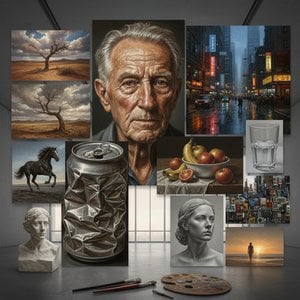
10 Šiuolaikinio Realizmo Simbolių: Tapybos Virtuoziškumas Jūsų Interjere
Atraskite 10 šiuolaikinio realizmo simbolių! Pažymėkite garsius dailininkus, spalvas ir stilius. Sužinokite apie tapybos istoriją bei įkvėpkite interjero apdaila. Aukštos kokybės reprodukcijos – ArtsDot.com

American Realism: Social Commentary & Artistic Representation in Early 20th-Century Painting
Explore the powerful social commentary & artistic representation of American Realism. Discover key artists like Bellows & Sloan, and understand the movement's lasting impact on 20th-century art history.


