

 Peržiūrėti realaus dydžio版
 Pasidalinti
 Dalintis
 Išsamiau
 Vadovas

 Atsisiųsti
 Panašūs eksponatai
 Rentgeno spindulių nuotrauka
 Automatinė diorama
 问答
问答 Statistika
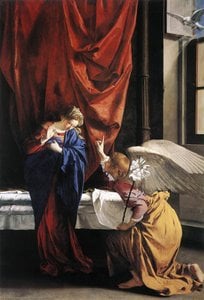
The Annunciation

- 145.0 x 120.0 cm


 Skaityti daugiau
Giclée / Meno spausdinimas
Muziejų lygio „giclée“ arba drobos spausdinimas: greita gamyba ir lankstios apdailos parinktys. ( Pirkti rankų darbo tapybą Perejti prie skaitmeninių vaizdų)




P118B €10

P118H €10

P118W €10

P438Z €10

P508JH €12

P508YH €12

P805H €10

P805Z €10

P919BZ €10

P919G €10

P919XJ €10

P959ZH €10

P968JZ €12

W106C €8

W218G €10

W218JH €8

W218Y €10

W307PJ €10

W316G €10

W316PJ €8

W316Y €10

W398PJ €8

W4111J €10

W500HY €15

W500JH €15

W692G €12

W849H €8

W940BG €15

W953PJ €8




Pasirinkite iš mūsų nustatytų dydžių, atitinkančių originalaus meno kūrinio proporcijas.

Įveskite jums reikiamą plotį ir aukštį, kad atvaizdas derėtų prie jūsų rėmo ar sienos. Spausdiną galima tik sumažinti, bet nepadidinti virš originalaus paveikslėlio dydžio, todėl keičiant proporcijas, dalis vaizdo prarandama. Prieš spausdinimą atsiųsime jums skaitmeninį maketą patvirtinimui. Šioje puslapio nuotraukoje matomas pjūvis nėra tikslus – jį rodo tik maketas.
Pristatymas visame pasaulyje () per 2 weeks, o ne įprastas 4/5 savaičių laikotarpis. (17 lapkritis)

Nemokamas greitasis pristatymas visame pasaulyje

Aukštos kokybės lininis drobė

Pilnas siuntimo draudimas

Muitinės mokesčių grąžinimo garantija

Tikro spalvų atitikimo garantija

100 dienų grąžinimo politika (tik esant įtaigoms)

100% pinigų grąžinimo garantija

Nuolaida dideliems užsakymams
 Stiklo variantas prieinamas tik pasirinkus dydį iki 110 cm

The Annunciation
Giclée / Meno spausdinimas
Reprodukcijos matmenys
-


Bendroji kaina
€ 56
The Divine Encounter: An Examination of The Annunciation
To stand before this depiction of The Annunciation is to step across the threshold into a moment suspended between the earthly and the divine. Bernardo Strozzi, master of the Italian Baroque, has captured not merely an event, but a profound spiritual resonance. The scene unfolds with breathtaking narrative tension: the Virgin Mary, poised in contemplation, receiving the monumental news that will alter the course of human history. Her gentle focus upon the book she holds suggests a life already steeped in sacred knowledge, grounding the miraculous within the realm of scholarly devotion.
The composition is richly populated, drawing the viewer into its intimate drama. The angel, an embodiment of celestial messenger, extends his hand with palpable grace toward Mary. This gesture is more than mere communication; it is a conduit for divine will, rendered with Strozzi’s characteristic dramatic flair. Observe the surrounding figures—those witnesses on either side—whose varied gazes and postures serve to amplify the gravity of the moment, creating a vibrant tapestry of human reaction to the sublime.
Baroque Drama and Venetian Light
Painted in 1643, this work sits squarely within the heart of the Baroque period, an era defined by emotional intensity, dramatic movement, and heightened theatricality. Strozzi, whose career saw him traverse Genoa and ultimately flourish in Venice, masterfully employs the techniques that characterize this style. While his early training provided a solid foundation, it is here that his mature handling of light and shadow—the very essence of Baroque drama—shines through. The interplay between illuminated skin tones and the deeper, more shadowed folds of drapery gives the scene an almost tangible dimensionality.
The technique itself speaks to skilled craftsmanship. Strozzi’s ability to render textures—from the soft fall of Mary's garments to the implied sheen on the angel's robes—is remarkable. It is a painting that demands close viewing, rewarding the observer with details that reveal layers of artistic intention.
Symbolism Woven into Sacred Space
Every element within this canvas seems imbued with symbolic weight. The book Mary studies represents scripture and divine law, suggesting that her acceptance of God's plan is an act both miraculous and intellectually understood. The presence of the decorative object near the bottom right corner, perhaps a vase or altar piece, anchors the sacred narrative within a recognizable, richly furnished domestic or chapel setting. These details prevent the scene from feeling purely ethereal; instead, they root the divine mystery in a tangible, beautiful reality.
The overall emotional impact is one of hushed awe. It is not the bombast of pure ecstasy, but rather the profound quietude that follows revelation—a moment where the soul stills itself before the infinite. This balance between dramatic action and serene contemplation makes it endlessly captivating to the modern eye.
A Statement for the Collector's Space
For those seeking an artwork that transcends mere decoration, this reproduction offers a window into Counter-Reformation spirituality rendered with unparalleled artistic vigor. Its scale (145 x 120 cm) allows it to command attention in a grand hall or a richly appointed study, serving as the focal point for contemplation. Owning a piece echoing Strozzi’s genius means acquiring not just pigment on canvas, but a narrative of faith, drama, and masterful technique—a timeless conversation starter that speaks volumes about an appreciation for history's greatest artistic achievements.
Klausimai ir atsakymai
Kokia yra „The Annunciation“ istorinė padėtis?
„The Annunciation“ – Bernardo Strozzi priklauso Baroque stiliui, Early Modern laikotarpiui. Kartu jie suteikia šiam kūriniui vietą meno istorijoje.
Kur galiu rasti panašių kūrinių kaip „The Annunciation“ – Bernardo Strozzi?
Darbai, panašūs į „The Annunciation“, pateikiami kūrinio Panašūs kūriniai puslapyje.
Kokio Bernardo Strozzi kūrybos etapo dalis yra „The Annunciation“?
„The Annunciation“ atspindi Bernardo Strozzi kūrybinį laikotarpį Later work in Venice.
panašūs kūriniai




Autoriaus biografija
ankstyvasis gyvenimas ir mokslas
Bernardo Strozzi, žinomas에도 kaip il cappuccino ar il prete genovese, buvo iškilmingas itališko baroko paveikslas ir gravuotojas, gimęs 1581 metais Italijos Genujoje. Jo meninio kelionės pradžia įtvirtinos Cesare Corte, mažo mastelio genujoje paveikslautojo, dirbtuvėse, kurio vadovavimu Strozzi tobulino savo įgūdžius iki 1596 metų. Vėliau jis prisijungė prie inovatyvaus sienos paveikslų kūrijėjo Pietro Sorri dirbtuvių, kuris nukreipė Strozzi link natūralistinio stiliaus, suteikdami jo kūrybai naujos prasmės ir gyvybės.meninė karjera
Strozzi karjeros istoriją galima suskirstyti į dvi pagrindines etapas: ankstyvąjį laikotarpį Genujoje ir vėlesnį kūrybinį gyvenimą Venecijoje. Genujoje jis realizavo įvairius projektus, įskaitant freskoja, nukreiptas San Domenico bažnyčios chorą, užsakytus išilgai Doria šeimos narių.- pagrindiniai darbai:
- Šv. Dominyko regėjimas (paradizė) (preparatyvinis aliejus, esantis Museo dell’Accademia Ligustica Genujoje)
- Dogo Francesco Erizzo portretas (nufilmuotas vos atvykus į Veneciją)
įtaka ir palikimas
Strozzi galingoji menė, pasižyminti prabangia spalvomų gama ir platiais traukų potepiais, pademonstravo itin didelę įtaką tiek Genujo, tiek Venecijos meninio vystymosi procesams. Jis laikomas vienu pagrindinių venecijos baroko stiliaus kūrėjų.- pastebimieji rėmėjai:
- dogas Francesco Erizzo
- katolikos kardinalas ir Venecijos patriarchas Federico Baldissera
- iškilmingi venecijos menininkai, įskaitant Claudio Monteverdi ir Barbarą Strozzi
vėlesnieji metai ir mirtis
Vėlesnieji Strozzi metai buvo pažymėti jo veikla kaip inžinieriaus. Jis mirė Venecijoje 1ng 1644 metais, palikdamas po savęs turtingą palikimą kaip universalaus talento ir produktyvaus meistro. peržiūrėti daugiau Bernardo Strozzi darbų ArtsDot: [https://ArtsDot.com/@/bernardo-strozzi](https://ArtsDot.com/@/bernardo-strozzi) atradite Pinacoteca di Vicenza, Italija, kurioje pristatomi darbai iš įvairių laikotarpių ir stilių: /lt/art/show/art-d3afpd-lt/
Bernardo Strozzi
1581 - 1644 , Italija
Trumpa informacija
- Artininko Stilius Arba Kryptis: Barokas
- Gimimo Data: 1581
- Gimimo Vieta: Genua, Italija
- Meno Nufolgos Šiam Menininkui:
- Cesare Corte
- Pietro Sorri
- Mirties Data: 1644
- Tautybė: Italių
- Vardas, Pavardė: Bernardo Strozzi
- Šio Meno Nufolgos Į Dirbtinius Ar Kryptis: ['Venecijos barokas']
- Žinomos Kūriniai:
- Šv. Dominiko regėjimas
- Dogo Erizzo portretas
- Šv. Laurentijus duodantis auką
Susiję straipsniai

Sacred Narratives: Decoding the Iconography and Artistry of the Annunciation
Explore the profound symbolism and mastery behind Renaissance Annunciation paintings. Discover the secrets of these sacred masterpieces now.

Mastering the Divine: The Top 25 Artworks by Duccio di Buoninsegna
Journey through the divine elegance of Duccio di Buoninsegna. Explore 25 iconic masterpieces of the Sienese School, from gold-leafed icons to humanized sacred narratives. Find museum-quality art reproductions and decor inspiration. Discover all masterpieces on ArtsDot.com.

Dutch Baroque Masters: 10 Paintings That Shaped an Era | ArtsDot
Journey through the Golden Age with our guide to the Top 10 Dutch Baroque masterpieces! Explore iconic paintings by Rembrandt, Vermeer & Frans Hals. Find museum-quality art reproductions and elevate your home decor at ArtsDot.com.

Shadows of Piety: The Artistry of Prayer and Devotion in the Classical Canon
Explore the profound mastery of Baroque religious art through masters like Zurbarán. Journey into the divine with our expert guide.

Fra Angelico Šedevrai: Top 25 Kūrinių Elegancija Jūsų Interjere
Atraskite 25 įspūdingiausius Fra Angelico šedevrus! Renesanso meno grožis, religinė tapyba ir angelų paveikslai. Meno istorija, interjero dizaino idėjos bei aukštos kokybės reprodukcijos ArtsDot.com. Explore the full collection online!
