


 Peržiūrėti realybėje
 Pasidalinti
 Dalintis
 Išsamiau

 Atsisiųsti
 Panašūs eksponatai
 Rentgeno nuotrauka
 Automatinė diorama
St Matthew


 Skaityti daugiau
Giclée / Meno spausdinimas
Muziejų lygio „giclée“ arba drobos spausdinimas: greita gamyba ir lankstios apdailos parinktys. ( Pirkti rankomis tapytą paveikslą Pirkti vaizdą)




































Pasirinkite iš mūsų nustatytų dydžių, atitinkančių originalaus meno kūrinio proporcijas.

Galite nurodyti savo matmenis, kad vaizdas atitiktų konkretų rėmą ar erdvę. Jei pasirinktas dydis nesutaps su originalaus paveikslėlio proporcijomis, mes arba apkirpsime kūrinį, arba išplėsime vaizdą naudojant veideliu atspindėtą arba vientisą šoną. Skaitmeninis maketas bus išsiųstas jums patvirtinti prieš pradedant gamybą.
Atkreipkite dėmesį, kad ekrane matomas vaizdinys neatspindi tikrojo apkirpimo ar išplėtimo. Tik maketas tiksliai parodytų galutinę kompoziciją.
Nors galima rinktis ir individualius dydžius, rekomenduojame pasirinkti vieną iš išanksti nustatytų matmenų, kad būtų išlaikytos originalios proporcijos.
Pristatymas visame pasaulyje () per 2 weeks, o ne įprastas 4/5 savaičių laikotarpis. (26 rugpjūtis)

Nemokamas greitasis pristatymas visame pasaulyje

Aukštos kokybės lininis drobė

Pilnas siuntimo draudimas

Muitinės mokesčių grąžinimo garantija

Tikro spalvų atitikimo garantija

60 dienų grąžinimo politika (tik esant gamyklinėms defektams)

100% pinigų grąžinimo garantija

Nuolaida už kelias reprodukcijas
 Stiklo variantas prieinamas tik pasirinkus dydį iki 110 cm

St Matthew
Giclée / Meno spausdinimas
Reprodukcijos matmenys
-


Galutinė kaina
$ 62
panašūs kūriniai


Autoriaus biografija
The Sculptor of Florentine Faith
In the golden era of the Italian Renaissance, few names evoke the spiritual and technical mastery of Florence quite like Bernardo Ciuffagni. Emerging from a city defined by its profound devotion and burgeoning humanism, Ciuffagni (c. 1385 – 1457) dedicated his life to translating the divine into the tangible. While the early details of his life remain partially veiled by the mists of history, his presence is undeniably etched into the very stone of Florence. Born into a lineage deeply rooted in Florentine tradition, he carried the weight of his heritage into every chisel stroke, striving to elevate religious iconography through a unique blend of classical grace and profound piety.
The formative years of Ciuffagni’s development were likely shaped by the shadows of giants. Although precise records of his apprenticeship are scarce, art historians often point to the influence of titans such as Lorenzo Ghiberti and Andrea Verrocchio. To study under such masters would have provided him with a sophisticated understanding of how to marry Byzantine-inspired spiritual depth with the emerging realism of the Renaissance. This synthesis allowed his work to transcend mere representation, imbuing his marble figures with a palpable sense of movement and an emotional resonance that spoke directly to the soul of the faithful.
Mastery in Marble and Patronage
The career of Ciuffagni was inextricably linked to the powerful currents of Florentine patronage. The Medici family, along with other influential noble houses, recognized his ability to execute monumental projects that reflected both their wealth and their religious devotion. His most significant contributions can be found within the sacred walls of the Santa Maria Novella Cathedral. It was here, specifically in the decoration of the altar façade, that Ciuffadamente demonstrated his unparalleled skill in managing large-scale, ambitious commissions.
His technical prowess was most evident in his treatment of marble, a medium he manipulated to achieve remarkable lifelike qualities. His sculptural style is celebrated for its serene grace and an almost obsessive attention to detail, where the cold hardness of stone is transformed into the soft folds of drapery or the contemplative expression of a saint. This mastery is perhaps best exemplified in his celebrated works:
- St. Matthew: A breathtaking monochrome sculpture from 1410 that captures a philosopher-like wisdom and deep contemplation.
- St. Peter: A masterpiece of religious realism, standing as a testament to his ability to convey spiritual authority through form.
Legacy of the Florentine Renaissance
Beyond the physical beauty of his statues, Ciuffagni’s historical significance lies in his role as a bridge between eras. He stood at the crossroads where the medieval reverence for the symbolic met the Renaissance hunger for the humanistic and the real. His ability to infuse his subjects with human emotion while maintaining their divine dignity helped define the sculptural language of his time. Through his hands, the stone did not merely depict saints; it breathed life into the very essence of Florentine faith, leaving an indelible mark on the artistic landscape of Italy that continues to inspire awe in all who behold his enduring masterpieces.

bernardo ciuffagni
1381 - 1458 , Italy
Trumpa informacija
- Artistic Movement Or Style: Renaissance Sculpture
- Artists Or Movements Influenced By This Artist: ['Donatello']
- Artists Who Influenced This Artist: ['Lorenzo Ghiberti']
- Date Of Birth: 1385
- Full Name: Bernardo Ciuffagni
- Nationality: Italian
- Notable Artworks: ['St Matthew']
- Place Of Death: Florence
Susiję straipsniai
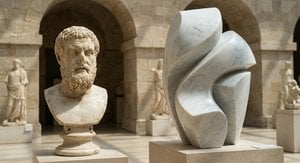
The Enduring Allure of Marble in Art History: From Classical Sculpture to Modern Abstraction
Explore the captivating history of marble sculpture from ancient Greece to modern art. Discover renowned artists like Canova & Michelangelo, carving techniques, and investment insights at ArtsDot.

Bronze Sculptures That Defined Art History | ArtsDot
Journey through art history with our Top 10 bronze sculptures! Explore masterpieces by Rodin, Michelangelo & more. Discover stories behind iconic statues and find museum-quality reproductions for your home decor at ArtsDot.com.

The Enduring Form: Exploring Themes & Techniques in Sculpture Across Historical Periods
Explore the rich history of sculpture from ancient masterpieces to contemporary innovations. Discover key techniques, influential artists & investment potential for discerning art collectors.

The Enduring Form: Sculpture Across History, Technique & Emotional Resonance
Explore the rich history of sculpture with ArtsDot. Discover key techniques, influential artists & investment potential for discerning collectors. Expert insights into valuing and collecting timeless masterpieces.

Bronze Age to Modern Masters: 10 Sculptures That Redefined Art | ArtsDot
Journey through art history with 10 legendary bronze sculptures – from Michelangelo's David to Rodin’s Thinker. Explore the stories, techniques & timeless beauty of these masterpieces. Find museum-quality reproductions & elevate your home decor on ArtsDot.com.

