


 Peržiūrėti realaus dydžio版
 Siųsti
 Dalintis
 Išsamiau
 Vadovas

 Atsisiųsti
 Panašūs eksponatai
 Rentgeno spindulių nuotrauka
 Diaporama
 Statistika
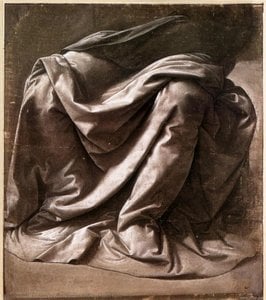
Flower Study
 1944
1944 70.0 x 57.0 cm
 Rodyti daugiau
Įsigykite aukštos skiriamosios raiškos, patobulintą skaitmeninį vaizdą, gerokai pranašesnį už internetinę peržiūrą.
Kiekvieną failą mūsų specialistai kruopščiai paruošia naudojant pažangias technologijas ir profesionalų rankinį retušavimą. Užtikriname, kad kiekvienas vaizdas pasižymėtų išskirtiniu aiškumu, tikslia spalvų atspalviu ir smulkiomis detalėmis.
Baigiamas failas el. paštu pristatomas per 72 valandas; jis optimizuotas nedelsiant naudojimui profesionalioje, redakcinėje ir spausdinimo aplinkoje. Tai ta pati kokybė, kuria pasitiki aukščiausios klasės dizaino studijos, leidyklos ir galerijos.
Skaitmeninis vaizdas
Atsisiųskite didelės raiškos failą asmeniniam naudojimui, spausdinimui ir kūrybiniams projektams. ( Perjungti į spausdinimą Pirkti rankomis tapytą reprodukciją)
Kiekvieną skaitinio vaizdo užsakymą papildė
Profesionalus skaitmeninis vaizdų pristatymas, garantuotas
Pasirinkę ArtsDot.com, jūs ne tik gaunate paveikslėlį – jūs gaunate profesionaliai patobudintą skaitmeninį kūrinį, sukurtą itin tikniai ir užtikrinantį pasitenkinimą. Štai viską, kas automatiškai pritékia jūsų užsakymui:

Greitas nuotraukų gavimas el. paštu
Jūsų aukštos raiškos skaitmeninis vaizdo failas bus išsiųstas el. paštu per 72 valandas nuo užsakymo – jis bus paruoštas naudoti be jokių papildomų veiksmų.

Skaitmeninis failas su dirbtiniu intelektu
Jūsų meno kūrinys profesionaliai optimizuojamas naudojant pažangius dirbtinio intelekto įrankius ir rankinį redagavimą, užtikrinant maksimalią detalę, aiškumą ir spalvų tikslumą.

Nemokamas visam laikui pakartotinis siuntimas
Atsitiktinai ištrytikote ar praradote savo failą? Nebijokite – bet kuriuo metu atsiųsime jį jums vėl nemokamai.

Jokio importo mokesčio – niekada
Mėgaukitės savo meno kūriniu akimirka – skaitiniai failai visada yra neapmokestinami, todėl nereikės mokėti muitinės, mokesčių ar pristatymo mokesčių.

Spalvų tikslumo garantija
Naudodami profesionalią įrangą ir spalvų valdymo sistemas, užtikriname, kad jūsų skaitmeninis vaizdas kuo tiksliau atspindėtų originalias spalvas.

100 dienų patikimumo garantija
Jei nebuvosite patenkinti įsigyto skaitmeninio vaizdo, mes jį tališkai koreguosime arba grąžinsime 100% sumą per 100 dienų – be jokių klausimų.

100% pinigų grąžinimo garantija
Nesitenkinate? Gaukite visą sumokėtą sumą per 100 dienų nuo skaitmeninio failo gavimo – be jokių papildomų klausimų.

Nuolaidos dideliems užsakymams
Pirkti 3 nuotraukas – 10% nuolaida – Pirkti 5 – 15% nuolaida – Pirkti 10 ir daugiau – 20% nuolaida. Puikiai tinka kūrybiniams projektams, galerijoms bei agentūroms.
Artist Background
Arthur Segal was a Romanian artist and author, born on July 23, 1875, in Iaşi, Romania. He studied at the Berlin Academy from 1892 and later in Paris and Italy in the early 1900s. After studying in Paris and Italy, he eventually moved to Berlin, where he became a prominent figure in the city's artistic scene. More information about Arthur Segal can be found on ArtsDot.com.Painting Style and Technique
The Flower Study painting showcases Arthur Segal's unique style and technique, characterized by the use of bold colors and delicate brushstrokes. The arrangement of the flowers in the vase creates a sense of movement and energy, drawing the viewer's eye to the center of the composition. This painting is a prime example of still life artwork, which was a popular genre during the 20th century.Similar Paintings
Other notable paintings that showcase similar styles and techniques include:- The Green Jug by Horace Copson, available on ArtsDot.com
- Abramtsevo. Wattle by Igor Emmanuilovich Grabar, available on ArtsDot.com
- March in Herefordshire by Trevor Makinson, available on ArtsDot.com
The Flower Study painting by Arthur Segal is a stunning example of 20th-century art, showcasing the artist's unique style and technique. With its bold colors and delicate brushstrokes, this painting is sure to captivate any art enthusiast. For more information about Arthur Segal and his artwork, visit ArtsDot.com.
问答 (or more naturally for a website heading): Klausimai ir atsakymai
Kas yra „Flower Study“ kūrybos autorius?
„Flower Study“ priskiriamas Arthur Segal.
Ar „Flower Study“ spalvos atrodo ryškios ar švelnios?
„Flower Study“ spalvų intensyvumas yra Monochromatic. Intensyvumas apibūdina, koks spalvų ryškumas yra suvokiamas.
Kiek metų buvo Arthur Segal, kai sukūrė „Flower Study“ 1944 m.?
Kai 1944 m. buvo sukurta „Flower Study“, Arthur Segal – gimęs 1875 m. – buvo 69 metų amžiaus.
Susiję kūriniai



Autoriaus biografija
Arthur Segal: A Pioneer of Expression and Dada’s Shadow
Arthur Segal (1875 – 1944) stands as a compelling figure in the turbulent landscape of early 20th-century European art, a Romanian artist whose career unfolded across multiple continents and artistic movements. Born into a Jewish family in Iaşi, Romania, his journey was shaped by both personal tragedy—the loss of his wife—and profound political upheaval, culminating in exile during World War II. Initially influenced by the Impressionist and Neo-Impressionist aesthetics of his early training at the Berlin Academy, Segal’s artistic trajectory dramatically shifted towards Expressionism and Dadaism, forging a uniquely personal style characterized by raw emotion, fragmented forms, and a critical engagement with the modern world. His work wasn't merely decorative; it was a visceral response to the anxieties and uncertainties of an era on the brink of profound change.Early Years and Artistic Foundations
Segal’s formative years were spent in Romania, absorbing the artistic traditions of the region while simultaneously encountering the burgeoning avant-garde currents emanating from Berlin. His studies at the Academy of Art in Berlin provided a solid grounding in classical techniques, but it was his exposure to the works of artists like Schmid-Reutte and Hölzel that ignited his interest in exploring new modes of representation. A subsequent period in Paris and Italy allowed him to immerse himself in the vibrant artistic scene of the time, encountering the innovations of Post-Impressionism and early Modernism. Crucially, these experiences laid the groundwork for his later embrace of Expressionist principles, a shift that would fundamentally alter the course of his artistic development. The influence of German Expressionism is particularly evident in his woodcuts, many of which tackled themes of war and social injustice with a stark and uncompromising realism.Berlin’s Expressionist Circle and the Rise of Neue Sezession
The early 1900s marked a pivotal period for Segal as he established himself within Berlin's dynamic artistic community. He quickly became associated with two of the most influential groups of the era: Die Brucke (The Bridge) and Der Blaue Reiter (The Blue Rider). These circles, centered around artists like Wassily Kandinsky and Franz Marc, championed a radical departure from traditional academic art, prioritizing emotional expression and subjective experience. Segal’s participation in their exhibitions signaled his commitment to these ideals and solidified his position within the avant-garde. However, he soon sought to establish his own platform for artistic experimentation, co-founding the Neue Sezession (New Section) in 1910. This group, deliberately provocative, challenged the established norms of the Berliner Secession, advocating for a more diverse and experimental approach to artmaking. The rejection by the Berliner Secession underscored the growing tensions between traditional and avant-garde artistic sensibilities.Exile, Dadaism, and the Swiss Years
The outbreak of World War I forced Segal into exile, leading him and his family to Ascona, Switzerland, in 1914. This period proved transformative, exposing him to the radical ideas of Dadaism – a movement that questioned the very foundations of art and society through irony, absurdity, and anti-rationality. He became involved with the Zurich Dadaists, collaborating with figures like Hans Arp, Hugo Ball, and Leonhard Frank at the Cabaret Voltaire, a hub for experimental performance and artistic innovation. The Swiss experience provided a crucial space for Segal to develop his own unique visual language, characterized by fragmented forms, distorted perspectives, and a deliberate rejection of traditional beauty standards. It was during this time that he began to explore the possibilities of woodcut as a medium for expressing social commentary and political dissent.Return to Berlin, Bauhaus Rejection, and Final Years
Following the war, Segal returned to Berlin in 1920, establishing his own art school and continuing to engage with the city’s vibrant artistic scene. He was offered a teaching position at the Bauhaus in Dessau, a revolutionary institution dedicated to integrating art, craft, and technology, but he declined the opportunity, perhaps wary of the institution's increasingly rigid structure. The rise of Nazism ultimately forced him into exile again, this time to Palma, Majorca, and then London, where he continued to teach and exhibit his work until his death in 1944. Despite facing significant obstacles due to his Jewish heritage, Segal’s artistic legacy endures as a testament to the power of individual expression and the enduring relevance of his pioneering approach to modern art. His work remains a vital link between Expressionism, Dadaism, and the broader currents of 20th-century art history, offering a poignant reflection on the anxieties and uncertainties of a rapidly changing world.
Arthur Segal
1875 - 1944
Pagrindinė informacija
- Full Name: Arthur Segal
- Nationality: Romanian
- Date Of Birth: 1875
- Date Of Death: 1944
- Place Of Birth: Iaşi, Romania
- Notable Artworks: ['Woodcuts (anti-war)']
- Artistic Movement Or Style:
- Expressionism
- Dadaism
- Artists Who Influenced This Artist:
- Schmid-Reutte
- Hölzel
- Artists Or Movements Influenced By This Artist:
- Die Brucke
- Der Blaue Reiter