


 Peržiūrėti realybėje
 Pasidalinti
 Dalintis
 Išsamiau

 Atsisiųsti
 Panašūs eksponatai
 Rentgeno nuotrauka
 Automatinė diorama
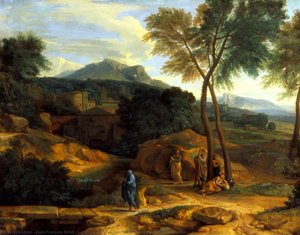
Landscape with Bridge
 Skaityti daugiau
Rankų darbo aliejinės reprodukcijos
Rankiniu būdu tapytas aliejus ant droblio jūsų pageidaujamame dydį ir rėmuose – mūsų menininkų darbas pagal užsakymą. ( Pirkti spaudinį Pirkti vaizdą)




































Pasirinkite iš mūsų nustatytų dydžių, atitinkančių originalaus meno kūrinio proporcijas.

Galite įvesti savo matmenis, kad jie atitiktų konkretų rėmą ar erdvę. Jei pasirinktas dydis neatitinka originalaus paveikslėlio proporcijų, mes arba apkropsime meno kūrinį, arba papildysime tapybą rankomis dažytい elementais. Prieš pradėdami gamybą, jūsų patvirtinimui atsiųsime skaitmeninį maketą.
Atkreipkite dėmesį, kad ekrane rodomas vaizdas neatspindi tikrojo apkarpymo ar papildymo. Tik maketas tiksliai parodys galutinę kompoziciją.
Nors galima rinktis ir individualius dydžius, rekomenduojame pasirinkti matmenis iš nustatytos sąrašo, kad būtų išlaikytos originalios proporcijos.
Gavus užsakymą, ArtsDot.com komanda susisieks su klientu el. paštu dėl instrukcijų ir pateiks maketo pavyzdį.
Pristatymas visame pasaulyje () per 3–4 savaites, o ne įprastai – per 5 savaites. (5 rugsėjis). Kokybė lieka nepakeičiama.

Nemokamas greitasis pristatymas visame pasaulyje

Aukštos kokybės lininis drobė

Pilnas siuntimo draudimas

Muitinės mokesčių grąžinimo garantija

Tikro spalvų atitikimo garantija

60 dienų grąžinimo politika (tik esant gamyklinėms defektams)

100% pinigų grąžinimo garantija

Nuolaida už kelias reprodukcijas
 Stiklo variantas prieinamas tik pasirinkus dydį iki 110 cm

Landscape with Bridge
Reprodukcijos technika
Reprodukcijos matmenys
-


Galutinė kaina
$ 263
panašūs kūriniai




Autoriaus biografija
Antonio Diziani: A Venetian Visionary Capturing the Spirit of His Time
Antonio Diziani (1737-1797) stands as a significant figure in eighteenth-century Venetian painting, particularly celebrated for his masterful depictions of Venice and its surrounding landscapes. Born into a rich artistic lineage, he was the son of Gaspare Diziani, a respected Rococo artist whose influence provided Antonio with an early predisposition toward visual storytelling. While history often places him in the shadow of titans like Canaletto, Diziani carved out a distinctive niche within the Venetian art scene, producing works that offered a unique blend of meticulous observation and imaginative embellishment.
His artistic journey was shaped by the shifting stylistic currents of Europe, moving from the ornate flourishes of the Rococo toward the structured elegance of Neoclassicism. This evolution is deeply embedded in his technique and composition. Under the tutelage of masters such as Francesco Zuccarelli and Giuseppe Zais, Diziani learned to balance classical grandeur with a certain Venetian charm. His education allowed him to master the art of the vedute—panoramic views that served not merely as topographical records but as atmospheric windows into the soul of the city.
The Art of the Veduta and Atmospheric Mastery
Diziani’s fame rests primarily on his prolific output of landscapes and vistas. Unlike the rigorous, almost photographic realism practiced by Canaletto, Diziani’s canvases often embraced subtle distortions and idealized perspectives. He sought to convey a sense of emotion and atmosphere that elevated his work beyond mere documentation. In his hands, the architectural landmarks of Venice—such as the Doge's Palace and Piazza San Marco—became stages for light and shadow, where the play of sun on stone could evoke a profound sense of nostalgia or tranquility.
His versatility was evident across various mediums, ranging from detailed etchings to sweeping oil paintings. A notable example of his ability to blend narrative with landscape can be seen in works like "Hunting Capriccio," where he transports the viewer to a serene riverbank. In such pieces, he demonstrates a mastery of several key elements:
- Compositional Balance: The seamless integration of human figures, such as horseback riders and strolling gentlemen, within vast, lush landscapes.
- Light and Texture: A sophisticated use of oil painting techniques that adds depth to foliage and creates a sense of distance through atmospheric perspective.
- Color Palette: An earthy foundation accented by cooler tones, often suggesting the soft, diffused light of an overcast Venetian day.
Legacy and Recognition in the Venetian Academy
The significance of Diziani’s contribution to the Venetian school was formally recognized in 1774 when he was elected a member of the Accademia di Belle Arti in Venice. This prestigious appointment solidified his status among the elite artists of his era and reflected his mastery of both the painting and sculpture disciplines. His work captured a pivotal moment in history, documenting the grandeur of the Venetian Republic before its eventual decline, preserving the pageantry of events like the Feast of Corpus Christi for future generations.
Ultimately, Antonio Diziani remains an essential figure for understanding the transition of Italian art during the late eighteenth century. His ability to bridge the gap between the decorative whimsy of the Rococo and the intellectual rigor of Neoclassicism ensures his place in the canon of great landscape painters. Through his eyes, we do not just see the architecture of Venice; we feel the pulse of a city caught in a beautiful, fleeting moment of historical splendor.

Antonio Diziani
1737 - 1797 , Italy
Trumpa informacija
- Artistic Movement Or Style: Rococo/Neoclassical
- Artists Who Influenced This Artist:
- Francesco Zuccarelli
- Giuseppe Zais
- Canaletto
- Date Of Birth: 1737 Venice Italy
- Date Of Death: 1797
- Full Name: Antonio Diziani
- Nationality: Italian
- Notable Artworks:
- Feast of Corpus Christi Procession
- Hunting Capriccio
- The Sala del Maggior Consiglio
- Place Of Birth: Venice Italy

