


 Peržiūrėti realaus dydžio版
 Siųsti
 Dalintis
 Išsamiau
 Vadovas

 Atsisiųsti
 Panašūs eksponatai
 Rentgeno spindulių nuotrauka
 Diaporama
 Statistika
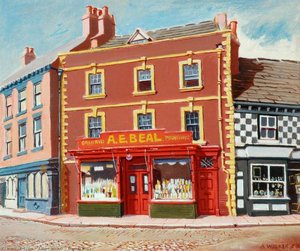
Self Portrait
 41.0 x 30.0 cm
 The Mercer Art Gallery
 Rodyti daugiau
Šiame puslapyje rodomas meno kūrinys yra saugomas autorių teisių įstatymais, todėl neturime teisės legaliai kurti ar parduoti jo identiškos reprodukcijos. Ši apsauga užtikrinama remiantis tokiais tarptautiniais susitarimais kaip Bernės konvencija ir pagal nacionalines įstatymų nuostatas, įskaitant tas, kurias nurodo JAV autoriškos teisės įstatymas – 17-asis skyrius.
Kaip pagarbią ir teisėtą alternatyvą, mes siūlome pagal užsakymą rankomis dažytus paveikslus, įkvėptus originalo. Mūsų įgudę ir profesionalūs menininkai kruopščiai tiria originalo stilių, nuotaiką ir meninę esmę, kad sukurtų naują, unikalią kūrinį, kuris sukelia tą paties jausmą – išlikdamas tuo tarciau originaliu, savarankišku kūrybiniu darbu.
Šis metodas visiškai atitinka autorių teises, nes jame nėra kūrinio kopijavimo ar dubliavimo. Tai yra kūrybinė reinterpretacija – naujas paveikslas, kurį įkvėpė originalas, tačiau kuris nėra jo identiškas.
Rankų darbo aliejinės reprodukcijos
Rankiniu būdu tapytas aliejus ant droblio jūsų pageidaujamame dydį ir rėmuose – mūsų menininkų darbas pagal užsakymą. ( Perjungti į spausdinimą Perejti prie skaitmeninių vaizdų)




































Pasirinkite iš mūsų nustatytų dydžių, atitinkančių originalaus meno kūrinio proporcijas.

Įveskite jums reikiamą plotį ir aukštį, kad paveikslas atitiktų jūsų rėmą ar sieną. Kadangi šis darbas yra rankinio darbo, siekiant išgauti kitokio formos dydį, paveikslas gali būti šiek tiek didesnis (nuo kraštų bus palikta daugiau erdvės) arba mažesnis – pasirinkite jums patogiausią variantą. Prieš pradedant tapyti, atsiųsime jums skaitmeninį maketą patvirtinimui. Šioje puslapio nuotraukoje matomas vaizdas nėra galutinis rezultatas – jį parodys tik sukurtas maketas.
Gavus užsakymą, ArtsDot.com komanda susisieks su klientu el. paštu dėl instrukcijų ir pateiks maketo pavyzdį
Pristatymas visame pasaulyje () per 3–4 savaites, o ne įprastai – per 5 savaites. (24 spalis). Kokybė lieka nepakeičiama.

Nemokamas greitasis pristatymas visame pasaulyje

Aukštos kokybės lininis drobė

Pilnas siuntimo draudimas

Muitinės mokesčių grąžinimo garantija

Tikro spalvų atitikimo garantija

100 dienų grąžinimo politika (tik esant įtaigoms)

100% pinigų grąžinimo garantija

Nuolaida dideliems užsakymams
 Stiklo variantas prieinamas tik pasirinkus dydį iki 110 cm

Self Portrait
Reprodukcijos technika
Reprodukcijos dydis
-


Visų pasirinktų variantų kaina
€ 231
Susiję kūriniai


Autoriaus biografija
Albert Walker: A Vision of Rural America and Victorian Echoes
Albert Walker (1846–1915), a largely unsung figure of American landscape painting, offers a poignant glimpse into the fading grandeur of rural life in the late 19th century. Born in Springfield, Oregon, during a period of rapid westward expansion and profound social change, Walker’s work transcends mere topographical representation; it's imbued with a melancholic beauty, reflecting both the romantic ideals of the Victorian era and the encroaching realities of industrialization. His canvases capture not just scenes but also a sense of loss—the slow disappearance of traditional ways of life as the frontier gave way to settled communities.
Walker’s artistic journey began with formal training in Boston, where he studied under the esteemed landscape painter Asher B. Durand, a leading figure in the Hudson River School movement. Durand's emphasis on capturing the sublime beauty of nature and depicting it with scientific accuracy profoundly influenced Walker’s early style. However, unlike many of his contemporaries who embraced a purely objective approach, Walker infused his landscapes with a distinctly emotional quality. He wasn’t simply rendering a view; he was conveying a feeling—a sense of quiet contemplation, nostalgia, and perhaps even a subtle sadness for the past.
The Influence of Joseph Mallord William Turner
A crucial element in understanding Walker's artistic vision lies in his deep admiration for the work of Joseph Mallord William Turner. Like Turner, Walker was fascinated by light and atmosphere, employing loose brushstrokes and vibrant color palettes to create a sense of immediacy and movement within his landscapes. Turner’s ability to capture fleeting moments of beauty—the shimmering effects of sunlight on water, the dramatic interplay of clouds and shadows—served as a powerful model for Walker. He particularly admired Turner's use of atmospheric perspective, creating a sense of depth and distance through subtle variations in color and tone.
Furthermore, both artists shared a fascination with the power of nature to evoke profound emotions. Walker’s landscapes are not static representations; they are dynamic scenes teeming with life—rolling hills dotted with grazing cattle, winding rivers reflecting the sky, and towering trees casting long shadows across the fields. This emphasis on movement and vitality reflects Turner's belief that art should capture the essence of experience rather than simply depicting external reality.
Key Themes and Subjects
Walker’s oeuvre is dominated by scenes of rural America—vast prairies, rolling hills, and picturesque waterways. He frequently depicted farms, barns, and livestock, capturing the rhythms of agricultural life with remarkable detail and sensitivity. However, his paintings are not simply celebrations of rural prosperity; they often carry a subtle undercurrent of melancholy, suggesting the vulnerability of these communities to economic hardship and social change. Many of his works depict scenes of solitude—a lone figure standing on a hilltop, a farmhouse silhouetted against the setting sun—evoking a sense of isolation and longing.
A recurring motif in Walker’s paintings is the depiction of water—rivers, lakes, and streams—which he often rendered with shimmering reflections and atmospheric effects. Water served as a powerful symbol for Walker, representing both the life-giving force of nature and the inevitability of change. His paintings of rivers, particularly, are imbued with a sense of fluidity and movement, mirroring the constant flux of time and the transience of human existence.
Major Works and Legacy
Among Walker’s most celebrated works are “Prairie Sunset” (1888), a breathtaking depiction of a vast prairie bathed in the golden light of twilight; “River Crossing” (1892), which captures a group of travelers making their way across a wide river; and “Barn at Dusk” (1895), a poignant portrayal of a solitary farmhouse silhouetted against the fading light. These paintings, along with many others in his collection, demonstrate Walker’s exceptional skill as a landscape painter and his ability to evoke powerful emotions through his art.
Despite not achieving widespread recognition during his lifetime, Albert Walker's work has been increasingly appreciated in recent years for its quiet beauty, emotional depth, and historical significance. He stands as a testament to the enduring power of landscape painting to capture the essence of American life—both its triumphs and its sorrows—and offers a valuable window into a bygone era.
Albert Walker
1900 - 1984
Trumpa informacija apie kūrėją
- Full Name: Albert Walker
- Nationality: American
- Date Of Birth: 1900
- Date Of Death: 1984
- Place Of Birth: WahooArt
- Notable Artworks:
- Knaresborough
- Abbey Road
- Artistic Movement Or Style: American scenes
- Artists Who Influenced This Artist: ['Toft']
- Artists Or Movements Influenced By This Artist: ['Walker']