

 Peržiūrėti realybėje
 Pasidalinti
 Dalintis
 Išsamiau

 Atsisiųsti
 Panašūs eksponatai
 Rentgeno nuotrauka
 Automatinė diorama
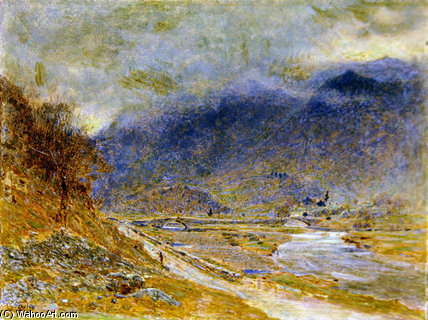
Mountain Mist
 Skaityti daugiau
Rankų darbo aliejinės reprodukcijos
Rankiniu būdu tapytas aliejus ant droblio jūsų pageidaujamame dydį ir rėmuose – mūsų menininkų darbas pagal užsakymą. ( Perejti prie spausdinimo Perjungti į vaizdą)




































Pasirinkite iš mūsų nustatytų dydžių, atitinkančių originalaus meno kūrinio proporcijas.

Galite įvesti savo matmenis, kad jie atitiktų konkretų rėmą ar erdvę. Jei pasirinktas dydis neatitinka originalaus paveikslėlio proporcijų, mes arba apkropsime meno kūrinį, arba papildysime tapybą rankomis dažytい elementais. Prieš pradėdami gamybą, jūsų patvirtinimui atsiųsime skaitmeninį maketą.
Atkreipkite dėmesį, kad ekrane rodomas vaizdas neatspindi tikrojo apkarpymo ar papildymo. Tik maketas tiksliai parodys galutinę kompoziciją.
Nors galima rinktis ir individualius dydžius, rekomenduojame pasirinkti matmenis iš nustatytos sąrašo, kad būtų išlaikytos originalios proporcijos.
Gavus užsakymą, ArtsDot.com komanda susisieks su klientu el. paštu dėl instrukcijų ir pateiks maketo pavyzdį.
Pristatymas visame pasaulyje () per 3–4 savaites, o ne įprastai – per 5 savaites. (8 rugpjūtis). Kokybė lieka nepakeičiama.

Nemokamas greitasis pristatymas visame pasaulyje

Aukštos kokybės lininis drobė

Pilnas siuntimo draudimas

Muitinės mokesčių grąžinimo garantija

Tikro spalvų atitikimo garantija

60 dienų grąžinimo politika (tik esant gamyklinėms defektams)

100% pinigų grąžinimo garantija

Nuolaida už kelias reprodukcijas
 Stiklo variantas prieinamas tik pasirinkus dydį iki 110 cm

Mountain Mist
Reprodukcijos technika
Reprodukcijos matmenys
-


Galutinė kaina
$ 263
panašūs kūriniai


Autoriaus biografija
The Ethereal Vision of Albert Goodwin
In the golden twilight of the Victorian era, few artists possessed the ability to capture the fleeting, atmospheric essence of the natural world quite like Albert Goodwin. Born in the picturesque landscapes of County Kent, Goodwin emerged as a master of watercolor, a medium that allowed him to translate the ephemeral qualities of light, mist, and water onto paper with unparalleled sensitivity. His work serves as a profound bridge between the sweeping, romantic grandeur of J.M.W. Turner and the meticulous, symbolic detail characteristic of the Pre-Raphaelite movement. To gaze upon a Goodwin landscape is to step into a dreamscape where the boundaries between reality and poetry become beautifully blurred.
Goodwin’s artistic journey was deeply shaped by his early exposure to the English countryside, yet his spirit was never tethered to a single geography. His travels across Europe and through the more remote corners of Britain provided him with an endless reservoir of inspiration. He possessed a unique talent for capturing the sublime—that specific feeling of awe and slight trepidation one experiences when confronted by the vastness of the sea or the brooding shadows of a mountain range. His technique relied heavily on the delicate layering of washes, creating a luminous depth that suggests a world vibrating with hidden life and spiritual significance.
A Tapestry of Light and Symbolism
The brilliance of Goodwin’s oeuvre lies in his ability to weave narrative and symbolism into seemingly simple landscapes. While many of his contemporaries focused on purely topographical accuracy, Goodwin sought the emotional truth of a scene. His coastal depictions are particularly renowned; he did not merely paint the shore, but rather the way the salt spray catches the setting sun or how the tide retreats to reveal secrets of the sand. This preoccupation with light—often referred to as luminism—allowed him to imbue his works with a sense of divine presence, making his landscapes feel less like mere scenery and more like sacred spaces.
Influenced heavily by the writings of John Ruskin, Goodwin integrated elements of myth and folklore into his compositions. A quiet woodland scene might subtly hint at ancient legends, or a solitary figure on a pier might evoke a sense of profound Victorian melancholy. This layering of meaning ensures that his paintings remain intellectually engaging long after the initial visual impact has faded. His mastery over the watercolor medium allowed for a fluidity of form that mirrored the shifting nature of memory and time itself.
Legacy and Historical Significance
Throughout his prolific career, Albert Goodwin achieved significant recognition within the British art establishment, contributing works to prestigious exhibitions that solidified his place among the great watercolorists of his age. His ability to synthesize the romanticism of the early 19th century with the burgeoning interest in naturalistic detail made him a pivotal figure in the evolution of English landscape painting.
Today, the significance of Goodwin’s work is found in its enduring emotional resonance. He remains a cornerstone for collectors and historians interested in the late Victorian and Edwardian periods, offering a window into a world that valued the contemplative beauty of the natural order. His legacy lives on through:
- The mastery of atmospheric watercolor techniques that continue to inspire landscape artists.
- A profound contribution to the English Romantic tradition, bridging the gap between Turner and modern impressionistic sensibilities.
- The preservation of a specific British aesthetic, capturing the light and mood of a vanishing era with unmatched grace.
In every brushstroke, Goodwin leaves behind a testament to the beauty of the transient, reminding us that even the most fleeting moment of light can be captured and held forever through the power of art.

albert goodwin
2009 - 1932 , United Kingdom
Trumpa informacija
- Artistic Movement Or Style: Watercolourist, Pre-Raphaelite
- Artists Who Influenced This Artist:
- J.M.W. Turner
- Pre-Raphaelites
- Date Of Birth: 1845
- Date Of Death: 1932
- Full Name: Albert Goodwin
- Nationality: English
- Place Of Birth: County Kent, United Kingdom

