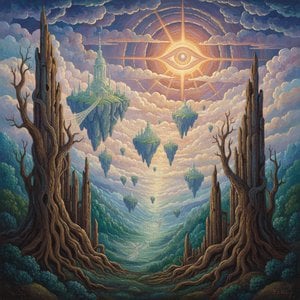
Ștefan Vasile Neagu: The Uncontainable Voice of the Bărăgan
Born in 1932 to a peasant family in the stark, windswept landscape of the Bărăgan plain in Romania, Ștefan Vasile Neagu – known affectionately as Fănuș Neagu – emerged as one of the most distinctive and challenging voices of Romanian literature. His life was inextricably linked to this harsh yet beautiful region, its people, and its enduring spirit; a connection that profoundly shaped his uniquely surreal and often unsettling prose. Neagu’s work isn't easily categorized, defying simple labels like “realist” or “modernist.” Instead, he forged a distinct style—a potent blend of magical realism, absurdist humor, and subtle social critique—that continues to resonate with readers today.
His early years were marked by the constraints of the communist regime. Growing up during this period instilled in him a deep skepticism towards ideological dogma and a fierce desire for artistic freedom. This rebellious spirit fueled his literary experimentation, pushing against the rigid boundaries imposed by censorship and establishing himself as an uncontainable voice within Romanian literature. His debut in 1959 coincided with the loosening of restrictions following de-Stalinization, providing him with the space to explore themes and styles previously suppressed.
The Language of the Bărăgan
Neagu’s writing is deeply rooted in the landscape of the Bărăgan. This vast, arid plain—a region historically associated with poverty, hardship, and resilience—became a central character in his work. He didn't simply depict rural life; he imbued it with a dreamlike quality, layering myth, folklore, and psychological insight onto its stark reality. The Bărăgan’s isolation, its relentless sun, and the lives of its inhabitants – farmers struggling against the elements – served as constant sources of inspiration. His stories often feature characters grappling with loneliness, superstition, and the weight of tradition, all set against this unforgiving backdrop.
He masterfully employed a richly metaphorical prose style, frequently employing unexpected juxtapositions and surreal imagery to disrupt conventional narrative structures. This technique wasn’t merely stylistic; it was a deliberate strategy for subverting ideological control and exposing the absurdity of social norms. His early short stories, such as *Îngerul a strigat* (The Angel Called), subtly hinted at the injustices inflicted upon peasants by the communist regime, using allegory and symbolism to circumvent direct criticism – a tactic that earned him both acclaim and the ire of censors.
A Rebel Within the System
Neagu’s relationship with the Romanian literary establishment was complex and often fraught with tension. While initially embraced as a modernist innovator, his refusal to conform entirely to socialist realism led to periods of isolation and censorship. He navigated the precarious landscape of a totalitarian regime by employing subtle critiques embedded within seemingly fantastical narratives. His work became a form of resistance—a quiet but persistent challenge to the dominant ideology.
His career wasn’t confined solely to literature. He also worked as a journalist, primarily covering Romanian football – a surprisingly popular subject in post-war Romania – and later as an editor for several publications. This diverse experience informed his writing, providing him with a keen understanding of public opinion and the dynamics of power. He even ventured into film, contributing screenplays that reflected his signature blend of realism and surrealism.
Legacy and Critical Reception
Despite periods of critical misinterpretation following the revolution of 1989, Neagu’s work has since been recognized as a significant contribution to Romanian literature. Critics now appreciate the depth and complexity of his prose, acknowledging its innovative use of language and its subtle yet powerful social commentary. His influence can be seen in subsequent generations of Romanian writers who continue to explore themes of rural life, identity, and resistance.
Neagu died in Bucharest in 2011 at the age of 79, leaving behind a body of work that remains both challenging and deeply rewarding. His legacy lies not only in his distinctive literary style but also in his unwavering commitment to artistic freedom and his ability to capture the essence of the Bărăgan—a landscape and a people forever etched into the heart of Romanian literature.
Q&A
Ștefan Vasile Neagu의 작품을 매체별로 찾아볼 수 있나요?
특정 매체로 제작된 Ștefan Vasile Neagu의 모든 작품을 확인하시려면, 작가의 모든 매체별 페이지를 이용해 주세요.
Ștefan Vasile Neagu의 작품들은 어떤 분위기를 담고 있나요?
Ștefan Vasile Neagu의 무드 룸에서는 작가의 작품들을 분위기별로 만나보실 수 있습니다.
특정 주제별로 Ștefan Vasile Neagu의 작품을 어떻게 찾아볼 수 있나요?
Ștefan Vasile Neagu의 키워드별 탐색 페이지에서는 작가의 작품들을 키워드별로 모아볼 수 있습니다.