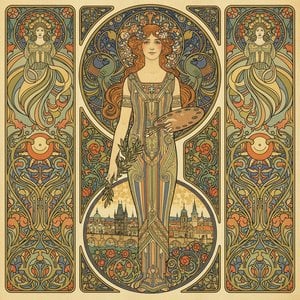
Andrew Warhola: A Pop Art Icon
Andrew Warhola, born on August 6th, 1928, in Pittsburgh, Pennsylvania, wasn’t simply an artist; he was a cultural phenomenon. His journey from a young boy navigating the vibrant, albeit often challenging, landscape of his immigrant family to becoming one of the most recognizable figures in 20th-century art is a testament to ambition, innovation, and a shrewd understanding of the evolving relationship between art and popular culture. His early life instilled within him a deep appreciation for both European artistic traditions – particularly those of his Rusyn heritage – and the burgeoning commercial world of America. This duality would become a defining characteristic of his work, informing his approach to subjects ranging from Campbell’s soup cans to the faces of Hollywood royalty.Early Years and Commercial Beginnings
Warhola's initial path wasn’t through galleries or studios but through the bustling world of commercial illustration. After graduating from Carnegie Institute of Technology in 1949, he quickly established himself as a highly sought-after illustrator, working for prominent brands like Tiffany & Co., *The New York Times*, and I. Miller Shoes. This period provided him with invaluable experience in visual communication, mastering techniques of reproduction and understanding the power of imagery to sell products. However, Warhola harbored artistic ambitions beyond simply creating advertisements; he yearned to explore his own creative vision. It was during this time that he began experimenting with silkscreen printing, a technique he would later revolutionize within the Pop Art movement.The Rise of Pop Art and Warhol’s Signature Style
Warhola's emergence as a significant artist coincided perfectly with the rise of Pop Art in the 1960s. Rejecting the traditional focus on abstract expressionism, Pop artists like Andy Warhol embraced imagery from popular culture – advertising, comic books, celebrity photographs – elevating these everyday subjects to the level of fine art. Warhola’s distinctive style quickly became recognizable: bold colors, repetitive patterns, and a deliberate blurring of the lines between high art and low culture. His iconic works, such as *Campbell's Soup Cans* (1962) and *Marilyn Diptych* (1967), challenged viewers to reconsider their perceptions of beauty, value, and the role of mass media in shaping our understanding of the world. The repetition inherent in his silkscreen process wasn’t merely a technical choice; it was a deliberate commentary on consumerism and the relentless reproduction of images in contemporary society.Beyond Painting: Film, Performance, and Celebrity
Warhol's artistic output extended far beyond painting. He ventured into filmmaking with projects like *Sleep* (1963) and *Chelsea Girls* (1966-67), offering a raw and often unsettling glimpse into the lives of New York’s counterculture scene. His experimental film, *Exploding Plastic Inevitable*, was a groundbreaking multimedia event that combined music, dance, and visual projections, pushing the boundaries of cinematic storytelling. Furthermore, Warhol cultivated a carefully constructed persona – “the Factory” – which became a legendary hub for artists, musicians, socialites, and celebrities. He embraced celebrity culture, transforming figures like Marilyn Monroe, Elvis Presley, and Jackie Kennedy into repeated motifs in his work, blurring the distinction between art and fame.Legacy and Influence
Andrew Warhola’s impact on 20th-century art and popular culture is undeniable. He not only helped to define Pop Art but also fundamentally altered our relationship with images and celebrity. His innovative use of silkscreen printing, his exploration of mass media, and his willingness to challenge conventional notions of artistic value continue to inspire artists today. Warhol’s legacy extends beyond the art world; he remains a potent symbol of the 1960s counterculture, a pioneer in the field of celebrity branding, and a master of manipulating perception through visual imagery. He died on February 22nd, 1987, leaving behind a body of work that continues to provoke, fascinate, and challenge viewers decades after its creation.Q&A
Gideon Appah의 작품을 색상별로 모아둔 곳은 어디인가요?
Gideon Appah의 작품은 작가의 컬러 인덱스 페이지에서 색상별로 감상하실 수 있습니다.
미술 사조별로 분류된 Gideon Appah의 작품은 어디에서 볼 수 있나요?
Gideon Appah 작가의 작품을 예술 사조별로 모아둔 모든 미술 사조 페이지에서 해당 작가가 활동했던 사조를 확인하실 수 있습니다.
Gideon Appah의 모든 작품은 어디에서 볼 수 있나요?
이 사이트에 등록된 Gideon Appah의 모든 작품은 작가의 전체 작품 보기 페이지에서 만나보실 수 있습니다.
Gideon Appah의 작품을 연도순으로 어디에서 볼 수 있나요?
Gideon Appah의 작품은 작품 연대기 페이지에서 연도순으로 확인하실 수 있습니다.