

 미리보기
미리보기
 공유하기
공유하기 공유하기
공유하기
 상세 정보
상세 정보 가이드 보기

 다운로드
다운로드
 유사 작품 더 보기
 X-레이
X-레이 슬라이드 쇼 보기
 질의응답
질의응답 통계 정보
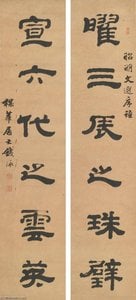
통계 정보CALLIGRAPHY IN RUNNING SCRIPT

- 23.0 x 16.0 cm

 더 보기
더 보기
지클레 / 아트 프린트
빠른 제작과 다양한 마감 옵션을 제공하는 박물관 수준의 지클레이 및 캔버스 프린트. ( 수작업 채색 복제본 주문하기 디지털 이미지로 전환)




P118B ₩10

P118H ₩10

P118W ₩10

P438Z ₩10

P508JH ₩12

P508YH ₩12

P805H ₩10

P805Z ₩10

P919BZ ₩10

P919G ₩10

P919XJ ₩10

P959ZH ₩10

P968JZ ₩12

W106C ₩8

W218G ₩10

W218JH ₩8

W218Y ₩10

W307PJ ₩10

W316G ₩10

W316PJ ₩8

W316Y ₩10

W398PJ ₩8

W4111J ₩10

W500HY ₩15

W500JH ₩15

W692G ₩12

W849H ₩8

W940BG ₩15

W953PJ ₩8




작품의 원본 비율을 그대로 유지하는 프리셋 사이즈 중에서 선택해 보세요.

액자나 벽면 크기에 맞춰 필요한 가로와 세로 길이를 입력해 주세요. 프린트는 원본 이미지보다 크게 제작할 수 없으며 오직 자르는 것만 가능하므로, 비율이 다른 사이즈를 선택할 경우 이미지의 일부가 잘려 나갈 수 있습니다. 인쇄 작업에 들어가기 전, 최종 확인을 위해 디지털 목업을 보내드립니다. 이 페이지에 표시된 이미지는 실제 잘리는 영역을 나타내지 않으며, 오직 목업을 통해서만 정확한 확인이 가능합니다.


 유리 옵션은 110cm 미만 크기에서만 선택 가능합니다.

CALLIGRAPHY IN RUNNING SCRIPT
지클레 / 아트 프린트
복제본 크기
-


최종 결제 금액
₩ 84518
유사한 작품들




작가 정보
A Life Etched in Brushstrokes: The World of Zha Shibiao
Zha Shibiao (also known as Cha Shih-Piao, born 1615 and died 1698) was a pivotal figure bridging the late Ming and early Qing dynasties in China. While not as widely celebrated in the West as some of his contemporaries, Zha Shibiao’s contribution to landscape painting – particularly his innovative use of ink washes and dramatic compositions – marks him as a significant artist whose work reflects a period of immense social and political upheaval. Born into a scholarly family during a time of declining imperial power, Zha Shibiao initially pursued a career in officialdom, passing the provincial examinations. However, the fall of the Ming dynasty in 1644 profoundly altered his path. He ultimately rejected further attempts to enter government service, choosing instead to dedicate himself fully to the art of painting, finding solace and expression within its traditions. This decision was not merely a personal one; it represented a broader retreat by many intellectuals from public life into the realm of artistic contemplation during a period of instability.The Evolution of a Style: From Tradition to Innovation
Zha Shibiao’s early works demonstrate a strong grounding in the traditions of the Wu School, known for its lyrical landscapes and emphasis on atmospheric effects. He meticulously studied the masters who came before him – figures like Shen Zhou and Wen Zhengming – absorbing their techniques and compositional principles. However, Zha Shibiao was not content with mere imitation. As his career progressed, he began to develop a distinctly personal style characterized by bold brushwork, heightened contrast, and a dramatic use of space. He moved away from the softer, more idealized landscapes of the Wu School towards a more rugged and imposing aesthetic. This shift can be seen as a reflection of the turbulent times in which he lived; his mountains became steeper, his trees more gnarled, and his overall compositions imbued with a sense of power and resilience. His mastery lay in his ability to convey both the grandeur of nature and the emotional weight of human experience. He frequently incorporated figures into his landscapes – often scholars or hermits – who served as symbolic representations of his own philosophical leanings, seeking refuge from the chaos of the world.Ink and Emotion: The Technical Prowess of Zha Shibiao
Zha Shibiao’s technical skill was exceptional. He possessed an extraordinary command of ink washes, utilizing a wide range of tones and textures to create depth and atmosphere in his paintings. His use of dry brushwork – leaving areas of white paper untouched – added a sense of starkness and immediacy to his compositions. He wasn't simply depicting landscapes; he was evoking them. He experimented with different ink consistencies, creating effects that ranged from delicate mistiness to powerful, almost sculptural forms. His paintings often feature towering peaks shrouded in clouds, cascading waterfalls, and dense forests – all rendered with a remarkable degree of precision and expressiveness. Beyond ink washes, Zha Shibiao was also adept at using color sparingly but effectively, adding subtle accents to his landscapes that enhanced their overall impact. He favored muted tones, creating a sense of harmony and balance within his compositions.Themes and Symbolism: A Scholar’s Retreat
The recurring themes in Zha Shibiao's work offer insight into his worldview. Landscapes were not merely aesthetic exercises for him; they served as vehicles for expressing philosophical ideas about nature, humanity, and the search for inner peace. The mountains often symbolize strength, stability, and longevity, while forests represent seclusion and contemplation.- The inclusion of scholars or hermits in his landscapes is particularly significant.
- These figures embody the Confucian ideal of withdrawing from public life to pursue self-cultivation.
- They are often depicted reading, writing poetry, or simply enjoying the beauty of nature – all activities that reflect a rejection of worldly ambition and a focus on spiritual enlightenment.
Legacy and Historical Significance
While Zha Shibiao may not enjoy the same level of international recognition as some other Chinese painters, his contribution to the development of landscape painting is undeniable. He successfully synthesized traditional techniques with a more personal and expressive style, paving the way for future generations of artists. His work reflects the profound social and political changes that occurred during the transition from the Ming to the Qing dynasty, offering valuable insights into the intellectual and emotional climate of the period. He stands as a testament to the enduring power of art to provide solace, meaning, and a sense of continuity in times of upheaval. His paintings continue to be admired for their technical brilliance, dramatic compositions, and profound philosophical depth, securing his place as an important figure in the history of Chinese art.
Zha Shibiao
1615 - 1698
작가 정보 요약
- Full Name: Zha Shibiao
- Nationality: Chinese
- Date Of Birth: 1615
- Date Of Death: 1698
- Place Of Birth: Xiuning, Anhui Province
- Notable Artworks: ['Landscape Album in Various Styles: Pleasure in a Mountain Brook']
- Artistic Movement Or Style: Anhui School
- Artists Who Influenced This Artist:
- Dong Qichang
- Mi Fu
- Artists Or Movements Influenced By This Artist:
- Hong Ren
- Ni Zan
관련 콘텐츠

Echoes of Time: Exploring the Enduring Appeal & Historical Context of Vintage Art Prints
Explore the captivating world of vintage art prints! Discover their history, collecting tips & enduring appeal. Expert insights on chromolithography and building a legacy collection with ArtsDot.

The Enduring Legacy of Woodblock Printmaking: Technique, History & Artistic Expression
Explore the rich history of woodblock printmaking – from ancient techniques to Ukiyo-e masterpieces. Discover expert insights on collecting, preserving & appreciating this enduring art form.

The Enduring Legacy of Fine Art Prints: Technique, History & Aesthetic Impact
Explore the rich history & techniques of fine art prints. Discover investment potential, assess authenticity, and learn how to preserve your collection with expert guidance. Trusted insights for discerning collectors.

Giclée Prints: Archival Quality & Aesthetic Nuances for the Discerning Collector
Explore the world of giclée prints with ArtsDot. Learn about archival quality, aesthetic nuances & investment potential. Expert guidance for discerning art collectors seeking museum-quality reproductions and lasting value.

The Enduring Legacy of Printmaking: Techniques, Themes & Artistic Innovation Across Centuries
Explore the rich history of printmaking with ArtsDot. Discover techniques from intaglio to lithography, learn about collecting valuable prints & find museum-quality reproductions. Expert insights for art enthusiasts and collectors.