


 실제 크기로 보기
 보내기
보내기 공유하기
공유하기
 상세 보기
상세 보기 가이드 보기

 이미지 다운로드
 유사 작품 더 보기
 X-레이
X-레이 슬라이드 쇼 보기
 통계 정보
통계 정보“The Mountain is Empty; A Pinecone Falls”
 Zen Buddhism
 301
301 88.0cm x 22.0cm
 상세 보기
상세 보기
지클레 / 아트 프린트
빠른 제작과 다양한 마감 옵션을 선택할 수 있는 박물관 수준의 지클레이 및 캔버스 프린트. ( 수작업 채색 복제본 주문하기 디지털 이미지 판매 채널로 전환)




































작품의 원본 비율을 그대로 유지하는 프리셋 사이즈 중에서 선택해 보세요.

특정 프레임이나 공간에 맞춰 직접 치수를 입력하실 수 있습니다. 선택하신 사이즈가 원본 이미지의 비율과 일치하지 않을 경우, 작품을 크롭(자르기)하거나 이미지를 대칭 또는 단색 채우기로 확장하여 제작합니다. 제작 시작 전, 최종 확인을 위해 디지털 목업이 전송됩니다.
화면상의 미리보기는 실제 크롭이나 확장 상태를 반영하지 않으므로, 최종 구도는 오직 목업을 통해서만 정확하게 확인하실 수 있습니다.
맞춤 사이즈 제작도 가능하지만, 원본 비율을 유지하기 위해서는 사전 정의된 목록에서 치수를 선택하시는 것을 권장합니다.


 유리 옵션은 110cm 미만 크기에서만 선택 가능합니다.

“The Mountain is Empty; A Pinecone Falls”
지클레 / 아트 프린트
복제본 규격
-


총 결제 금액
$ 62
관련 작품들


작가 소개
The Echoes of Byzantium: Unveiling the Legacy of the Master of 1336
The figure known as the Master of 1336 remains one of the most intriguing enigmas in Italian art history. Active primarily in Pistoia during the early decades of the 14th century, this artist’s work stands as a compelling bridge between the enduring traditions of Byzantine painting and the nascent innovations that would blossom into the Renaissance. While his name—a label bestowed upon him due to a fresco depicting the miracle of the Virgin Mary in Santa Maria delle Grazie, Pistoia—offers little insight into his personal identity, his paintings speak volumes about the artistic currents shaping Tuscany at the time. His legacy is inextricably linked to the towering influence of Giotto and Maso di Banco, both figures who profoundly shaped the visual landscape of his region.Early Influences and Artistic Roots
The Master’s origins are shrouded in some mystery, yet a clear lineage can be traced through the artistic networks of Pistoia. He was deeply influenced by Giotto di Bondone, whose revolutionary approach to depicting human emotion and space began to permeate the region. Giotto's innovations—a move away from the stylized, flattened forms of Byzantine art towards greater naturalism and psychological depth—were skillfully absorbed and adapted by his Pistoian disciple. Equally significant was the work of Maso di Banco, a prominent Sienese painter known for his dramatic compositions and expressive figures. Puccio di Simone, another artist working in Pistoia during this period, further contributed to the stylistic blend, creating a vibrant artistic environment where experimentation and innovation flourished. The Master’s paintings are characterized by a remarkable expressiveness and figurative language, a direct result of these interconnected influences.A Portrait of Faith: Key Works and Artistic Style
The Master's oeuvre is relatively small but remarkably concentrated in a few key works. The *Polyptych in the Museo della Collegiata in Empoli* stands as one of his earliest and most significant achievements, showcasing his developing style and technical skill. The *Popiglio Panel*, housed in the Museo Civico di Pistoia, offers further insight into his artistic sensibilities, demonstrating a masterful use of color and composition. Perhaps most notably, the *Madonna and Child* painting held in the Acton Collection in Florence exemplifies his ability to convey profound emotion through subtle gestures and expressions. His frescoes, particularly the depiction of the Madonna and Child in the Church of San Domenico in Pistoia, reveal a deep understanding of religious iconography and narrative.Symbolism and Narrative: Decoding the Visual Language
Examining the Master’s paintings reveals a rich tapestry of symbolism and narrative detail. His compositions are often imbued with a sense of piety and devotion, reflecting the deeply ingrained religious beliefs of his time. The figures in his works—typically Madonna and Child scenes—are rendered with a remarkable degree of realism, yet they retain an aura of serenity and grace. The use of color is particularly noteworthy; he favors warm, earthy tones that evoke a sense of intimacy and spirituality. Furthermore, the Master’s work demonstrates a keen awareness of spatial relationships, creating a believable illusion of depth within his paintings. The *Well-Governed Town and Country* fresco, commissioned for the Sala della Pace in Siena's Palazzo Pubblico, is a particularly compelling example of this skill, offering a visual representation of civic virtue and social harmony—a testament to the artist’s engagement with contemporary political and moral concerns.Legacy and Historical Significance
The Master of 1336 occupies a crucial position in the transition from medieval to Renaissance art. While he never fully abandoned the stylistic conventions of Byzantine painting, his work demonstrated a willingness to experiment with new techniques and approaches—a foreshadowing of the revolutionary changes that would be spearheaded by Giotto and his successors. His paintings serve as a vital link between the artistic traditions of the past and the innovations of the future, offering a glimpse into the dynamic cultural landscape of 14th-century Italy. His influence can be seen in the work of subsequent artists who continued to build upon his legacy, solidifying his place as one of the most important figures in the development of Italian painting. The echoes of Byzantium resonate within his art, yet they are tempered by a growing sense of naturalism and human emotion—a testament to the enduring power of artistic innovation.
zekkai chūshin
1336 - 1405 , Japan
작가 정보 요약
- Artistic Movement Or Style: Byzantine art
- Artists Or Movements Influenced By This Artist:
- Giotto
- Duccio
- Artists Who Influenced This Artist:
- Giunta Pisano
- Coppo di Marcovaldo
- Date Of Death: 1302
- Full Name: Cimabue
- Nationality: Italian
- Notable Artworks:
- Sta. Trinità Madonna
- Madonna Enthroned
- Place Of Birth: Florence, Italy
관련 기사

Japonisme: How Japanese Woodblock Prints Revolutionized Western Art
Explore the profound impact of Japonisme on Western art. Discover how Japanese ukiyo-e woodblock prints revolutionized perspective, color, and composition for masters like Monet and Van Gogh, forever changing the course of modern art history.
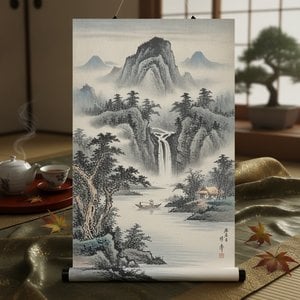
Serenity on Canvas: A Guide to the Timeless Beauty of Japanese Landscape Painting
Discover the serene beauty of Japanese landscape painting. From Hokusai's iconic woodblock prints to meditative sumi-e ink washes, explore a visual journey through the 'floating world' and learn how to bring this timeless Zen aesthetic into your modern home decor.

가츠시카 호쿠사이 최고 걸작 25선: 우키요에의 정수를 만나다 | ArtsDot
가츠시카 호쿠사이의 최고 걸작 25선을 만나보세요. 우키요에, 대판화 기법과 후지산 풍경의 아름다움을 담은 명작들을 감상하고, ArtsDot에서 고품질 아트 프린트와 인테리어 액자를 찾아보세요. 지금 바로 컬렉션을 탐험하세요!
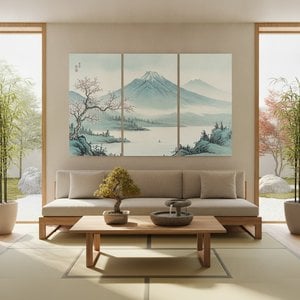
Serene Zen: Transforming Your New Home with the Timeless Elegance of Japanese Landscape Art
Transform your new home into a sanctuary of peace with stunning Japanese landscape art. Discover the beauty of Ukiyo-e and hand-painted Zen masterpieces designed to bring harmony and timeless elegance to your shared space. Expertly curated for modern lovers of fine art.

Floating World: The Captivating Art and Legacy of Japanese Ukiyo-e
Explore the profound beauty of Japanese Ukiyo-e. Discover the history, masters like Hokusai, and the enduring legacy of the 'Floating World' through an expert art-historical lens.