


 실제 크기로 보기
 보내기
보내기 공유하기
공유하기
 상세 보기
상세 보기 가이드 보기

 이미지 다운로드
 유사 작품 더 보기
 X-레이
X-레이 슬라이드 쇼 보기
 통계 정보
통계 정보Robert buxton

 상세 보기
상세 보기
지클레 / 아트 프린트
빠른 제작과 다양한 마감 옵션을 선택할 수 있는 박물관 수준의 지클레이 및 캔버스 프린트. ( 수작업 채색 복제본 주문하기 디지털 이미지 판매 채널로 전환)




P118B ₩10

P118H ₩10

P118W ₩10

P438Z ₩10

P508JH ₩12

P508YH ₩12

P805H ₩10

P805Z ₩10

P919BZ ₩10

P919G ₩10

P919XJ ₩10

P959ZH ₩10

P968JZ ₩12

W106C ₩8

W218G ₩10

W218JH ₩8

W218Y ₩10

W307PJ ₩10

W316G ₩10

W316PJ ₩8

W316Y ₩10

W398PJ ₩8

W4111J ₩10

W500HY ₩15

W500JH ₩15

W692G ₩12

W849H ₩8

W940BG ₩15

W953PJ ₩8




작품의 원본 비율을 그대로 유지하는 프리셋 사이즈 중에서 선택해 보세요.

액자나 벽면 크기에 맞춰 필요한 가로와 세로 길이를 입력해 주세요. 프린트는 원본 이미지보다 크게 제작할 수 없으며 오직 자르는 것만 가능하므로, 비율이 다른 사이즈를 선택할 경우 이미지의 일부가 잘려 나갈 수 있습니다. 인쇄 작업에 들어가기 전, 최종 확인을 위해 디지털 목업을 보내드립니다. 이 페이지에 표시된 이미지는 실제 잘리는 영역을 나타내지 않으며, 오직 목업을 통해서만 정확한 확인이 가능합니다.


 유리 옵션은 110cm 미만 크기에서만 선택 가능합니다.

Robert buxton
지클레 / 아트 프린트
복제본 규격
-


총 결제 금액
₩ 84616
관련 작품들


작가 소개
윌리엄 도브슨: 영국 초상화에 울려 퍼진 베네치아의 잔향
윌리엄 도브슨(1611년 3월 4일 세례; 1646년 10월 28일 매장)은 영국 회화사의 초기 단계에서 중추적인 역할을 수행한 인물로, 당대의 비평가 존 오브리를 비롯한 이들에게 “영국이 배출한 가장 탁월한 화가”라는 찬사를 받았습니다. 그의 예술적 유산은 단순히 현재까지 전해지는 약 60여 점의 초상화라는 결과물에만 머무르지 않습니다. 오히려 그는 격동의 왕정복고 시기, 영국 예술계 내에 베네치아풍의 독특한 미학을 정착시 정립했다는 점에서 더욱 빛을 발합니다. 도브슨의 경력은 고전적 이상으로의 회귀와 매너리즘적 과잉에 대한 거부를 주장했던 나자레파 운동이 태동하던 시기에 시작되었습니다. 그는 윌리엄 피크와 프랜시스 클레인 밑에서 정식 교육을 받으며, 티치아노나 찰스 1세의 궁정 화가였던 안토니 반 다이크와 같은 거장들의 양식적 단초를 흡수하며 성장했습니다.- 유년기와 교육: 런던의 법률가 아들로 태어난 도브슨은 특권적인 지적 환경 속에서 예술적 감수성을 형성했습니다. 피크와 클레인 아래에서의 도제 생활은 기술적 숙련도를 높이고 구도 원리를 이해하는 데 있어 무엇과도 바꿀 수 없는 귀중한 경험이 되었습니다.
- 베네치아의 영향: 그의 형성기는 베네치아 예술이 득세하던 시기와 맞물려 그의 시각적 언어에 깊은 영향을 미쳤습니다. 직접적인 모방을 피했던 반 다이크와 달리, 도브슨은 티치아노의 기법, 특히 색채의 마술적인 사용과 글레이징 기법을 적극적으로 연구하여 자신의 캔버스 속에 녹여냈습니다.
- 왕실의 의뢰와 예술적 전성기: 찰스 1세의 치세는 도브슨의 운명을 극적으로 바꾸어 놓았으며, 그는 왕실로부터 막대한 수익을 창출하는 의뢰를 받게 되었습니다. 국왕의 화가(Serjeant Painter)이자 시종(Groom of the Privy Chamber) 직위를 맡으며 당대를 대표하는 예술가로서의 입지를 굳건히 했습니다.
크롬웰 시대와 카발리어 초상화
영국 내전 기간 동안 도브슨이 보여준 예술적 행보는 의회파 군대에 맞서 왕실을 수호했던 귀족층, 즉 카발리어(Cavalier)들을 묘사하는 데 일관된 헌신을 보여줍니다. 그의 묘사는 단순한 외형적 닮음을 넘어 인물의 심리적 미묘함을 포착해내며, 전쟁의 소용돌이 속에 휘말린 국가의 불안과 열망을 투영합니다. 찰스 루카스, 존 바이런, 라인강의 프린스 루퍼트 등의 초상화는 섬세한 몸짓과 표정을 통해 인물의 성격까지 전달해내는 도브슨의 탁월한 능력을 여실히 증명합니다.- 옥스퍼드와 크롬웰 시대의 궁정: 도브슨은 공성전이 진행되던 옥스퍼드에 작업실을 마련하여, 왕당파의 거점이었던 그곳의 예술적 분위기에 깊이 몰입했습니다.
- 주요 의뢰 작품들: 그는 대립하는 양측 모두의 저명한 인물들의 삶을 기록하는 수많은 작업을 수행했으며, 이는 화가로서 그의 명성과 다재다능함을 입증하는 증거가 되었습니다.
도브슨의 정점과 예술적 유산
도브슨의 예술적 절정은 찰스 2세의 왕정복고기에 찾아왔습니다. 그는 왕실 내에서 명망 있는 직책을 맡으며 그의 가장 찬란한 걸작이라 할 수 있는, 약 12세 무렵의 찰스 왕자의 초상화를 탄생시켰습니다. 이 야심 찬 구도는 극적인 조명, 풍부한 색채, 그리고 화려한 질감으로 특징지어지는 바로크 기법의 정수를 보여주며 그를 영국의 가장 위대한 화가 중 한 명으로 각인시켰습니다. 요크 공작을 비롯한 영향력 있는 카발리어들의 초상화를 포함한 그의 작품 세계는 영국 회화에 베네치아적 영향을 불어넣은 선구자로서 그의 역사적 위치를 확고히 합니다.- 찰스 왕자의 초상화: 도브슨의 마그눔 오푸스(Magnum Opus)로 평가받는 이 작품은 그의 예술적 특징인 정교한 세부 묘사와 심리적 통찰력을 완벽하게 보여줍니다.
맺음말
도브슨이 영국 미술에 기여한 바는 단순한 양식적 모방을 넘어섭니다. 그는 베네치아의 전통과 영국의 감수성 사이에 대화를 이끌어냈으며, 왕정복고기의 시각적 지형을 형성하고 “영국이 배출한 가장 탁월한 화가”라는 영원한 명성을 얻었습니다. 그의 작품은 그 아름다움과 기술적 숙련도, 그리고 인간의 성격에 대한 깊은 이해를 통해 오늘날까지도 우리에게 깊은 경외감을 선사하고 있습니다.
윌리엄 돕슨
1610 - 1646 , 독일
작가 정보 요약
- Artistic Movement Or Style: 베네치아 예술의 영향
- Artists Or Movements Influenced By This Artist:
- 티치아노
- 안토니 반 다이크
- Artists Who Influenced This Artist:
- 윌리엄 피크
- 프랜시스 클레인
- Date Of Birth: 1610년 12월 8일
- Date Of Death: 1646년 1월 30일
- Full Name: 윌리엄 찰스 토머스 돕슨
- Nationality: 독일
- Notable Artworks:
- 에드워드 데링 경의 초상
- 줄타기 곡예사 제이콥 홀
- 화가와 찰스 코트렐 경 및 발타자르 게르비에 경
- Place Of Birth: 독일 함부르크
관련 기사
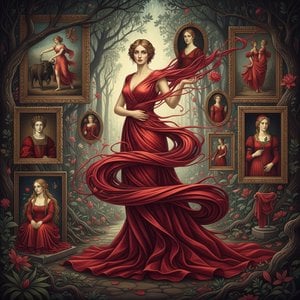
Crimson Threads of Narrative: Exploring Symbolism & Representation in Artworks Featuring the Red Dress
Explore the rich symbolism of the red dress in art history! From ancient power displays to iconic portraits like Cézanne’s 'Madame Cezanne', discover the cultural and artistic significance behind this captivating color. Expert analysis & insights.

Decoding Baroque Grandeur: A Guide to the Drama and Emotion of 17th-Century Art
Explore the breathtaking drama of 17th-century Baroque art. Our expert guide decodes the use of chiaroscuro, emotional intensity, and historical grandeur to help you appreciate and curate timeless masterpieces for your collection.

The Dramatic Flourish: Exploring the Baroque Movement's Enduring Legacy in Art History
Explore the dramatic world of Baroque art! Discover iconic artists like Caravaggio & Rubens, defining techniques, and its lasting impact on art history. Expert insights for collectors & enthusiasts at ArtsDot.

바로크의 드라마: 현대 인테리어에 풍요로움과 감동을 불어넣기
바로크 예술의 풍요로운 세계를 탐험하고, 현대 인테리어에 감동을 불어넣는 방법을 ArtsDot에서 만나보세요. 카라바조, 렘브란트 등 거장들의 작품과 키아로스쿠로 기법 활용 노하우를 공개합니다.

Baroque Classicism: Reconciling Drama & Order in 17th-Century Art
Explore the captivating world of Baroque Classicism! Discover its history, key artists like Caravaggio & Rubens, and defining characteristics. Expert insights & high-quality reproductions at ArtsDot.