미리보기
미리보기
 공유하기
공유하기 공유하기
공유하기
 상세 정보
상세 정보

 다운로드
다운로드
 유사 작품
유사 작품 X-레이
X-레이 슬라이드 쇼
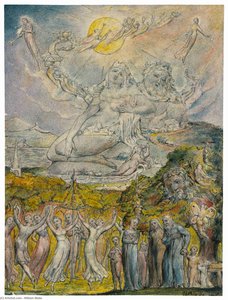
Cerberus (second version)

 더 보기
더 보기
지클레 / 아트 프린트
빠른 제작과 다양한 마감 옵션을 제공하는 박물관 품질의 지클레이 또는 캔버스 프린트. ( 손으로 그린 그림 구매 이미지 구매)




P118B $10

P118H $10

P118W $10

P438Z $10

P508JH $12

P508YH $12

P805H $10

P805Z $10

P919BZ $10

P919G $10

P919XJ $10

P959ZH $10

P968JZ $12

W106C $8

W218G $10

W218JH $8

W218Y $10

W307PJ $10

W316G $10

W316PJ $8

W316Y $10

W398PJ $8

W4111J $10

W500HY $15

W500JH $15

W692G $12

W849H $8

W940BG $15

W953PJ $8




작품의 원본 비율을 유지하는 미리 설정된 크기 중에서 선택하세요.

특정 프레임이나 공간에 맞춰 직접 치수를 입력하실 수 있습니다. 선택하신 사이즈가 원본 이미지의 비율과 일치하지 않을 경우, 작품을 크롭(자르기)하거나 이미지를 대칭 또는 단색 채우기로 확장하여 제작합니다. 제작 시작 전, 최종 확인을 위해 디지털 목업이 전송됩니다.
화면상의 미리보기는 실제 크롭이나 확장 상태를 반영하지 않으므로, 최종 구도는 오직 목업을 통해서만 정확하게 확인하실 수 있습니다.
맞춤 사이즈 제작도 가능하지만, 원본 비율을 유지하기 위해서는 사전 정의된 목록에서 치수를 선택하시는 것을 권장합니다.


 유리 옵션은 110cm 미만 크기에서만 선택 가능합니다.

Cerberus (second version)
지클레 / 아트 프린트
복제본 크기
-


최종 결제 금액
$ 62
작품 상세 설명
A Vision of the Underworld: William Blake’s *Cerberus (second version)*
This striking painting by William Blake, *Cerberus (second version)*, plunges viewers into a dramatic and unsettling scene drawn from classical mythology. Unlike traditional depictions of the monstrous guardian of Hades, Blake's Cerberus is not simply a terrifying beast but a complex symbol interwoven with themes of creation, destruction, and the human condition. The artwork presents a multi-headed creature – reminiscent of a dragon as initially noted – actively consuming something amidst a gathering of figures, some cautiously observing while one daringly reaches out.Style & Technique: Romantic Imagination Unleashed
Blake’s style is distinctly *Romantic*, characterized by intense emotion, vivid imagination, and a rejection of strict academic conventions. He wasn't merely illustrating mythology; he was reinterpreting it through the lens of his own unique spiritual and philosophical beliefs. The painting exhibits Blake’s characteristic energetic brushwork and use of color – though specifics are difficult to ascertain without knowing the original medium (watercolor or oil is likely). His technique often involved building up layers of paint, creating a luminous quality that enhances the otherworldly atmosphere. This version, as indicated by its title, suggests an evolution from an earlier iteration, hinting at Blake’s continual refinement of his artistic vision.Mythological Roots & Symbolic Depth
Cerberus, in Greek mythology, is the multi-headed dog guarding the gates of the Underworld, preventing the dead from leaving and the living from entering without permission. Blake utilizes this potent symbol to explore deeper concepts. The act of *consumption* by Cerberus can be interpreted as representing the destructive forces inherent in existence – time, decay, or even societal corruption. The figures surrounding the beast are not merely witnesses; they represent humanity’s complex relationship with these forces: fear, curiosity, and a desperate attempt to understand or control them. The bridge and rocky landscape suggest a liminal space—a threshold between worlds, mirroring the psychological journey Blake often depicted in his work.Historical Context & Blake's Unique Vision
William Blake lived during a period of immense social and political upheaval – the late 18th and early 19th centuries. He was deeply critical of industrialization, materialism, and rigid religious dogma. His art served as a vehicle for expressing his radical ideas about spirituality, imagination, and human liberation. While many artists of his time focused on neoclassical ideals or realistic portrayals, Blake deliberately cultivated a visionary style that drew inspiration from the Bible, mythology, and his own prophetic visions. He was largely unappreciated during his lifetime but is now recognized as one of the most important figures in British art history.Emotional Impact & Lasting Legacy
*Cerberus (second version)* evokes a powerful emotional response – a mixture of awe, fear, and fascination. The painting’s unsettling imagery forces viewers to confront uncomfortable truths about mortality, destruction, and the darker aspects of human nature. However, it is not simply a depiction of despair. The reaching figure suggests a glimmer of hope—a desire for connection or understanding even in the face of overwhelming darkness. This artwork continues to resonate with audiences today because it taps into universal anxieties and aspirations, offering a profound meditation on the complexities of life and death. It’s a testament to Blake's genius that he could transform a classical myth into such a deeply personal and enduring work of art. For collectors and interior designers, a reproduction of this piece offers a bold statement, adding intellectual depth and dramatic flair to any space.유사한 작품들


작가 약력
비전의 여정: 윌리엄 블레이크의 삶과 예술
윌리엄 블레이크는 1757년 11월 28일, 런던에서 태어나 격변하는 시대 속에서 자신의 독특한 길을 걸어간 인물이었다. 산업화, 정치적 혼란, 그리고 변화하는 영적인 믿음이 뒤섞인 영국 사회에서 그는 끊임없이 고뇌하며 살았다. 호시어의 아들로 태어난 블레이크는 어린 시절부터 강렬한 상상력과 예지몽을 경험했고, 이는 그의 예술적 여정을 깊이 있게 형성했다. 정규 학업은 거의 받지 못했지만, 어린 나이에 그림 공부를 시작하며 재능을 드러냈고, 제임스 바시어와의 견습 생활은 그에게 기술적인 숙련뿐 아니라 판화 기법에 대한 이해를 심어주었다. 웨스트민스터 사원의 고딕 건축물, 라파엘로와 미켈란젤로의 고전적 형태 등 초기 경험들은 그의 예술적 기반을 다졌지만, 그는 결코 관습에 얽매이지 않았다.빛나는 세계: 기법과 혁신
블레이크의 예술적 혁신은 주제뿐 아니라 작품을 만드는 *방식*에도 있었다. 기존의 판화 방식에 불만을 품고 그는 “조명 인쇄(illuminated printing)”라는 독특한 과정을 개발했다. 이 과정은 구리판에 텍스트와 삽화를 새긴 다음, 결과물을 손으로 착색하는 방식으로, 예술가가 작품 전체를 완벽하게 통제할 수 있도록 했다. 이는 단순한 삽화가 시를 돕는 것이 아니라, 이미지와 구절이 서로 연결되어 의미를 증폭시키는 통합된 예술 형태였다. 형상의 해방이라는 예지몽에서 비롯된 부조 조각 기법은 그에게 전통적인 방식보다 더 큰 예술적 자유를 선사했다. 판화뿐만 아니라 블레이크는 수채화와 템페라 물감도 사용하며 종종 성경 장면이나 환상적인 주제를 그려내고 상징적인 의미를 부여했다. 그의 스타일의 핵심 특징은 선형 원근법을 거부하고 감정적이고 상징적인 표현을 우선시하는 것이었다. 이러한 평면화된 공간은 관람객을 그의 예지몽의 중심으로 끌어들였다.순수와 경험, 그리고 반항의 주제
블레이크 예술의 핵심은 순수와 경험의 이중성, 이성과 상상력의 해방, 사회적 규범에 대한 날카로운 비판 등 심오한 주제를 탐구하는 데 있다. 무고하고 경험의 노래(Songs of Innocence and of Experience)(1794)는 아마도 그의 가장 접근하기 쉬운 작품일 것이다. 이 작품은 어린 시절의 대조적인 비전을 제시하는데, 하나는 순수하고 더럽혀지지 않은 모습이고 다른 하나는 고난과 부패로 얼룩져 있다. 천국과 지옥의 혼인(The Marriage of Heaven and Hell)(1793)은 기존의 도덕을 전복하는 도발적인 산문시로, 억압적인 교리를 거부하고 에너지와 욕망, 그리고 반항을 축하한다. 단테의 신곡 삽화는 그의 극적인 비전을 보여주고 복잡한 이야기를 강력한 시각적 이미지로 번역하는 능력을 보여준다. 블레이크의 상징은 매우 개인적이지만 보편적으로 울려 퍼진다. 그의 유명한 시에 등장하는 호랑이는 창조의 경외심과 공포스러운 힘을 동시에 나타낸다. 광범위한 서사시 예루살렘(Jerusalem)은 영적인, 정치적인 신념을 반영하며 억압으로부터 자유로운 고대 영국(Albion)의 새로운 비전을 제시한다. 그는 단순한 이야기를 그리는 것이 아니라, 마음 상태, 자연의 힘, 선과 악의 영원한 투쟁을 나타내는 전형적인 인물로 가득 찬 전체 신화를 구축했다.재발견된 유산: 블레이크의 지속적인 영향
블레이크는 생전에 널리 인정받지 못했고, 많은 동시대인들에게 오해를 받거나 무시당했다. 그의 작품은 종종 괴짜적이거나 심지어 미쳤다고 여겨졌다. 그는 평생 재정적으로 어려움을 겪었고, 토마스 파인과 같은 소수의 후원자들의 도움을 받아야 했다. 그러나 그의 사망(1827년 8월 12일) 이후 수십 년 동안 블레이크의 명성은 꾸준히 성장했다. 프레랩하이이트 운동은 그의 예지몽 스타일과 상징적인 이미지에 매료되어 그를 동지로 삼았다. 이후의 상징주의와 현대주의 운동은 상상력, 주관적 경험, 영적인 주제에 대한 그의 강조점을 공감하며 그를 재평가했다. 오늘날 윌리엄 블레이크는 낭만주의 운동의 중요한 인물로 인정받고 있으며, 시인, 화가, 사상가 등 다양한 분야의 사람들에게 끊임없이 영감을 주는 작품을 남겼다. 그의 복잡한 철학적, 종교적 아이디어에 대한 탐구는 오늘날에도 여전히 깊은 울림을 주며, 우리에게 기존의 지혜를 의심하고 개인적인 비전의 힘을 포용하도록 도전한다. 블레이크의 유산은 단순히 예술적 성취에 관한 것이 아니라 창조적 자유에 대한 그의 확고한 헌신에 관한 것이다. 이는 이성이나 제약이 지배하는 세상에서 상상력의 지속적인 힘에 대한 증거이다.
윌리엄 블레이크
1757 - 1827 , 영국
주요 정보
- 국적: 영국인
- 대표 작품:
- 무고한 자들과 경험의 노래
- 천국과 지옥의 혼인
- 호랑이
- 예루살렘
- 사망일: 1827년 8월 12일
- 영향을 받은 예술 사조:
- 프래 랩하이얼 운동
- 상징주의
- 모더니즘
- 영향을 준 예술가:
- 라파엘로
- 미켈란젤로
- 예술 사조: 낭만주의
- 전체 이름: 윌리엄 블레이크
- 출생일: 1757년 11월 28일
- 출생지: 런던, 영국
관련 기사 더 보기

William Blake: Romantic Visionary & Mystical Genius of the Imagination
Explore the mystical art & poetic genius of William Blake (1757-1827). Discover his revolutionary illuminated printing, rich symbolism, and lasting influence on Romanticism. Find handmade reproductions at ArtsDot.

Romantic Realism's Finest: 10 Masterpieces for Your Home | ArtsDot
Explore 10 defining masterpieces of Romantic Realism! Discover Courbet, Millet & Daumier's powerful paintings—capturing emotion and social realities. Find museum-quality reproductions for your home at ArtsDot.com.

Sir William Blake Richmond: A Visionary of Aestheticism & Symbolism
Explore the life & art of Sir William Blake Richmond, a pivotal figure bridging Pre-Raphaelitism and Aestheticism. Discover his stunning portraits, mosaics at St Paul's Cathedral, and lasting influence on Victorian art.

Echoes of Olympus: Mythological Narratives in Western Art Through the Ages
Explore the captivating history of mythological narratives in Western art! From ancient Greece to modern masterpieces, discover iconic artworks & symbolism. Expert analysis and high-quality reproductions at ArtsDot.

John Varley I: Intimate Observation & the British Romantic Landscape
Explore the serene landscapes of John Varley I, a key figure in British Romanticism. Discover his unique watercolour style, collaboration with William Blake & lasting artistic legacy. Learn about collecting Varley's work.