

 미리보기
미리보기
 공유하기
공유하기 공유하기
공유하기
 상세 정보
상세 정보 가이드 보기

 다운로드
다운로드
 유사 작품 더 보기
 X-레이
X-레이 슬라이드 쇼 보기
 질의응답
질의응답 통계 정보
통계 정보A Ghost Story


 더 보기
더 보기
이 페이지에 표시된 작품은 저작권법의 보호를 받으며, 이에 따라 동일한 복제품을 제작하거나 판매하는 것은 법으로 금지되어 있습니다. 이러한 권리 보호는 다음과 같은 국제 협약에 따라 시행됩니다. 베른 협약 또한 다음에서 명시하는 법률을 포함한 국내법에 의해 보호됩니다. 미국 저작권법 제17조.
이 방식은 저작권 보호를 받는 예술 작품을 복제하거나 그대로 재현하는 것이 아니기에 저작권 규정을 완벽히 준수합니다. 대신, 이는 창의적인 재해석의 과정을 거칩니다. 즉, 원작에서 영감을 받되 원작과 동일하지 않은 새로운 회화 작품을 의미합니다.
지클레 / 아트 프린트
빠른 제작과 다양한 마감 옵션을 제공하는 박물관 수준의 지클레이 및 캔버스 프린트. ( 수작업 채색 복제본 주문하기 디지털 이미지로 전환)




P118B ₩10

P118H ₩10

P118W ₩10

P438Z ₩10

P508JH ₩12

P508YH ₩12

P805H ₩10

P805Z ₩10

P919BZ ₩10

P919G ₩10

P919XJ ₩10

P959ZH ₩10

P968JZ ₩12

W106C ₩8

W218G ₩10

W218JH ₩8

W218Y ₩10

W307PJ ₩10

W316G ₩10

W316PJ ₩8

W316Y ₩10

W398PJ ₩8

W4111J ₩10

W500HY ₩15

W500JH ₩15

W692G ₩12

W849H ₩8

W940BG ₩15

W953PJ ₩8




작품의 원본 비율을 그대로 유지하는 프리셋 사이즈 중에서 선택해 보세요.

액자나 벽면 크기에 맞춰 필요한 가로와 세로 길이를 입력해 주세요. 프린트는 원본 이미지보다 크게 제작할 수 없으며 오직 자르는 것만 가능하므로, 비율이 다른 사이즈를 선택할 경우 이미지의 일부가 잘려 나갈 수 있습니다. 인쇄 작업에 들어가기 전, 최종 확인을 위해 디지털 목업을 보내드립니다. 이 페이지에 표시된 이미지는 실제 잘리는 영역을 나타내지 않으며, 오직 목업을 통해서만 정확한 확인이 가능합니다.


 유리 옵션은 110cm 미만 크기에서만 선택 가능합니다.

A Ghost Story
지클레 / 아트 프린트
복제본 크기
-


최종 결제 금액
₩ 84408
유사한 작품들


작가 정보
The Quiet Narratives of Walter MacEwen: A Life in Portraiture and Genre
Walter MacEwen, though perhaps not a household name today, occupies a significant niche within the landscape of 19th-century American realism. His canvases offer a compelling glimpse into the lives of ordinary people, rendered with a sensitivity and technical skill that speaks to a deep understanding of human character and the subtleties of everyday existence. Born in , MacEwen’s life remains somewhat shrouded in mystery; biographical details are scarce, allowing his work to stand as the primary testament to his artistic journey. However, it is clear he emerged during a period of burgeoning American identity, a time when artists were increasingly turning away from European academic traditions and seeking to define a uniquely national aesthetic. MacEwen’s dedication to portraying scenes of domestic life and individual portraits aligns him with this movement, yet his style possesses a quiet dignity and emotional restraint that sets him apart. He wasn't interested in grand historical narratives or sweeping landscapes; instead, he found beauty and meaning in the commonplace, elevating the lives of his subjects through meticulous observation and skillful execution.Early Influences and Artistic Development
The precise nature of MacEwen’s early training is unknown, but it’s reasonable to assume exposure to the prevailing artistic currents of his time. The Hudson River School, with its emphasis on naturalism and detailed representation, likely played a role in shaping his initial approach. However, MacEwen quickly gravitated towards a more intimate scale and subject matter. The influence of Dutch Golden Age painting is palpable in his work, particularly in the soft lighting, rich color palettes, and focus on interior scenes. Artists like Johannes Vermeer and Pieter de Hooch, masters of depicting domestic tranquility and subtle psychological nuance, seem to have left an indelible mark on MacEwen’s artistic sensibility. He eschewed the dramatic chiaroscuro favored by some of his contemporaries, opting instead for a more diffused light that gently illuminates his subjects, creating a sense of warmth and intimacy. This preference suggests a deliberate choice to prioritize emotional resonance over theatrical effect. His early works demonstrate a growing mastery of technique – precise brushwork, accurate anatomy, and a keen eye for detail – all serving the purpose of capturing not just likeness but also personality and mood.A Focus on Portraiture and Genre Scenes
MacEwen’s oeuvre is primarily comprised of portraits and genre scenes, often depicting families in their homes or individuals engaged in quiet activities. His portraits are notable for their psychological depth; he wasn't merely interested in capturing a physical resemblance but also in conveying the inner life of his sitters. He achieved this through subtle gestures, expressive eyes, and carefully chosen details that hint at character and social standing. His genre scenes, meanwhile, offer poignant glimpses into the daily routines of middle-class American life. These are not idealized depictions; they portray a sense of realism, showing both the joys and hardships of domestic existence. A recurring theme in his work is the importance of family – parents with children, siblings interacting, couples sharing intimate moments. He portrays these relationships with tenderness and sensitivity, highlighting the bonds that connect individuals and provide meaning to their lives. He avoids sentimentality, however, presenting his subjects with a quiet dignity and emotional honesty.Technical Mastery and Artistic Style
MacEwen’s technical skill is undeniable. His brushwork is precise yet fluid, creating a sense of realism without sacrificing artistic expression. He was a master colorist, employing a rich palette of earth tones and subtle gradations to create depth and atmosphere.- His use of light is particularly noteworthy.
- He favored diffused lighting that gently illuminates his subjects, creating a sense of warmth and intimacy.
- This technique allows him to capture the subtleties of human expression and mood.
Historical Significance and Legacy
While MacEwen may not have achieved the same level of fame as some of his contemporaries, his work remains a valuable contribution to American art history. He represents a strand of realism that prioritized psychological depth and emotional honesty over grand narratives or stylistic innovation. His paintings offer a compelling glimpse into the lives of ordinary people during a period of significant social and cultural change. He captured a sense of American identity that was rooted in domesticity, family values, and quiet dignity. Today, his work is increasingly recognized for its artistic merit and historical significance. His canvases serve as a reminder that beauty can be found in the commonplace and that even the most ordinary lives are worthy of artistic representation. As interest in 19th-century American art continues to grow, Walter MacEwen’s quiet narratives will undoubtedly continue to captivate and inspire audiences for generations to come.
Walter Macewen
1860 - 1943 , United States
작가 정보 요약
- Full Name: Walter MacEwen
- Nationality: American
- Notable Artworks:
- Portraits
- Genre scenes
- Artistic Movement Or Style: Realism
관련 콘텐츠

The Enduring Legacy of Oil on Canvas: Technique, History & Aesthetic Impact
Explore the rich history & techniques of oil painting – from Renaissance masters to Impressionism. Discover pigments, layering methods, and why this timeless medium endures. Expert insights for artists & art enthusiasts.

Walter Greaves: A Study in Victorian Realism & the Social Landscape of British Art
Explore the life & work of Walter Greaves, a key Victorian realist painter influenced by Whistler. Discover his London streetscapes, portraits, and enduring legacy. Learn about art appraisal & reproduction options at ArtsDot.

The Enduring Power of Painting: A Historical & Contemporary Exploration of Form and Emotion
Explore the rich history & enduring techniques of oil painting with ArtsDot. Discover masterpieces, learn about art collecting, and find authentic handmade reproductions crafted by skilled artists.
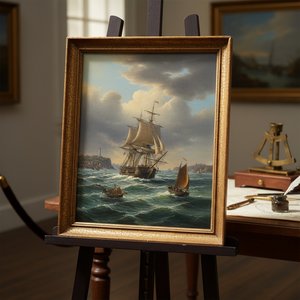
Samuel Walters: Capturing Victorian Maritime Life with Precision & Artistry
Explore the exquisite maritime paintings of Samuel Walters (1811-1882). Discover his mastery of detail, historical scenes & influence on Victorian art. Learn about collecting his works and find high-quality reproductions at ArtsDot.

Oil on Canvas: A Historical & Technical Exploration of a Timeless Artistic Medium
Explore the rich history & enduring techniques of oil painting on canvas. Discover the science behind its longevity, conservation practices, and contemporary relevance. Expert insights for art enthusiasts.