


선택하신 옵션에 따른 작품 정보입니다: , .
수집품 상세 설명
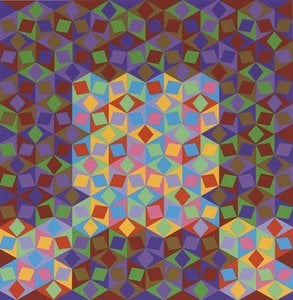
Explore 'Soeloe' by Victor Vasarely – a vibrant Op Art masterpiece of geometric abstraction! Discover layered hexagonal forms & digital artistry.
 더 보기
더 보기
핸드메이드 유화 복제화
작가가 직접 캔버스에 손으로 그린 유화 작품으로, 원하는 크기와 액자로 맞춤 제작해 드립니다. ( 프린트 판매로 전환 디지털 이미지로 전환)
본 작품은 저작권법의 보호를 받습니다.
이 페이지에 표시된 작품은 저작권법의 보호를 받으며, 이에 따라 동일한 복제품을 제작하거나 판매하는 것은 법으로 금지되어 있습니다. 이러한 권리 보호는 다음과 같은 국제 협약에 따라 시행됩니다. 베른 협약 또한 다음에서 명시하는 법률을 포함한 국내법에 의해 보호됩니다. 미국 저작권법 제17조.
저희는 존중을 담은 합법적인 대안으로서, 원작에서 영감을 받은 맞춤형 수제 유화 작품을 제공합니다. 저희의 숙련된 전문 화가들은 원작의 스타일, 분위기, 예술적 정수를 면밀히 연구하여, 그 자체로 독창적인 창작물이면서도 원작과 동일한 감동을 불러일으키는 새로운 작품을 만들어냅니다.
이 방식은 저작권 보호를 받는 예술 작품을 복제하거나 그대로 재현하는 것이 아니기에 저작권 규정을 완벽히 준수합니다. 대신, 이는 창의적인 재해석의 과정을 거칩니다. 즉, 원작에서 영감을 받되 원작과 동일하지 않은 새로운 회화 작품을 의미합니다.
이 작품에 대해 더 알아보기
 공유하기
공유하기 공유하기
공유하기
 상세 정보
상세 정보 가이드 보기

 다운로드
다운로드
 유사 작품 더 보기
 슬라이드 쇼 보기
 질의응답
질의응답 통계 정보
통계 정보단 네 단계로 완성되는 간편한 작품 주문 방법
천천히 진행하셔도 좋습니다. 답변은 언제든 변경할 수 있으며, 선택 사항에 따라 주문 카드 내의 가격이 실시간으로 반영됩니다.
1 4단계 중 1단계
원하시는 사이즈를 선택해 주세요.
이 사이즈들은 원작의 비율을 그대로 유지합니다. 그림 속 예시는 2미터 길이의 소파 위 벽면에 선택하신 작품을 배치했을 때의 모습입니다.
또는 직접 치수 입력하기
작품의 원본 비율을 그대로 유지하는 프리셋 사이즈 중에서 선택해 보세요.

액자나 벽면 크기에 맞춰 필요한 가로와 세로 길이를 입력해 주세요. 본 작품은 수작업으로 제작되므로, 요청하신 비율에 따라 작가가 그림의 가장자리를 조금 더 넓게 그리거나 일부를 조정하여 작업할 수 있습니다. 작업 시작 전, 최종 확인을 위해 디지털 목업 이미지를 보내드립니다. 이 페이지에 표시된 이미지는 실제 결과물과 다를 수 있으며, 오직 목업 이미지만이 정확한 결과물을 보여줍니다.
2 4단계 중 2단계
어떤 방식으로 준비해 드릴까요: 롤 형태로, 캔버스에 씌워서, 또는 액자에 넣어?
아래 가격은 첫 번째 단계에서 선택하신 크기를 기준으로 합니다.
캔버스 옆면 스타일 선택
프레임을 선택하세요

화이트 테두리 ₩1

블러사이드 ₩1

옆면 확장형 ₩1

P118B ₩10

P118H ₩10

P118W ₩10

P438Z ₩10

P508JH ₩12

P508YH ₩12

P805H ₩10

P805Z ₩10

P919BZ ₩10

P919G ₩10

P919XJ ₩10

P959ZH ₩10

P968JZ ₩12

W106C ₩8

W218G ₩10

W218JH ₩8

W218Y ₩10

W307PJ ₩10

W316G ₩10

W316PJ ₩8

W316Y ₩10

W398PJ ₩8

W4111J ₩10

W500HY ₩15

W500JH ₩15

W692G ₩12

W849H ₩8

W940BG ₩15

W953PJ ₩8

H24-GOLD ₩30

H24-SILVER ₩30

H36-GOLD ₩45

H36-SILVER ₩45
액자형
몰딩: . 액자 포함 전체 크기: .
3 4단계 중 3단계
그림에서 변경하고 싶은 부분이 있으신가요?
대부분의 사람들은 아니라고 답합니다. 모든 작품은 수작업으로 제작되기에, 저희 작가는 고객님의 요청에 맞춰 작품을 변경해 드릴 수도 있습니다.
주문 완료 후, ArtsDot.com 팀에서 상세 안내를 위해 고객님께 이메일을 보내드리며, 시안 미리보기를 제공해 드립니다.
4 4단계 중 4단계
몇 가지 마감 옵션
모두 선택 사항입니다. 이미 선택된 답변에 대해서는 추가 비용이 발생하지 않습니다.
작가는 누구인가요?
박물관에 있는 것과 같은 명판을 원하시나요?
동판 각인 상세 정보
This elegant plaque features the artist's name and the title of the artwork, finely engraved for a timeless presentation.
It is made from bronze with a refined, elegant finish. The text is precisely laser-engraved for a sharp and permanent result. Measuring 9x2 cm, the plaque is compact yet easy to read. It's built to be durable and scratch-resistant, offering a professional, museum-quality look. Mounting is simple thanks to the included adhesive backing.
투명 아크릴 명판 상세 정보
The plaque includes essential engraved details such as the artist's name, the title of the artwork, the date it was created, the type of media used-like oil on canvas or watercolor-a brief description of the piece, and a QR code that links to the complete artwork information.
It is crafted from clear acrylic, offering a sleek, modern appearance. The text is UV-engraved in black to ensure strong visual contrast. With a size of 10x15 cm, it ensures optimal readability. It comes equipped with two metal hooks for secure wall mounting. The plaque is designed to be weather-resistant, making it suitable for various environments, and it includes interactive features that work seamlessly with smartphone scanning.
블랙 아크릴 명판 상세 정보
This elegant plaque includes engraved information such as the artist's name, the title of the artwork, the date it was created, the type of media used (like oil on canvas or watercolor), a short description of the artwork, and a QR code for quick access to more information.
The plaque itself is made from refined black acrylic with a premium finish. The text is laser-engraved in white for high contrast and readability. Its size is 10x15 cm, designed to be easy to read. It comes with two metal hooks for professional mounting. The design is sleek and fits any interior style. It is also weather-resistant and durable, with built-in digital integration for mobile compatibility.
보호용 바니시를 선택하시겠습니까?
언제 받기를 원하시나요?
✓ 확인 및 주문하기
주문하신 그대로의 작품

Soeloe
재현 기법
복제본 크기
-

엄선된 시니어 아티스트
더욱 세밀한 묘사와 정교함, 그리고 충분한 제작 시간
-

복제화 액자 구성
-
-
가로 또는 세로 중 어느 한 면이라도 105cm(약 41인치)를 초과하는 작품이나 복제화의 경우, 프레임은 분해된 키트 형태로 배송됩니다. 이는 안전한 배송을 보장하고 운송 중 발생할 수 있는 손상을 방지하기 위함입니다.
전문가 조립 권장 - 본 제품은 DIY용이 아닙니다.
해당 키트는 숙련된 전문 프레임 제작자가 목공용 풀(별도 구매), 캔버스 스트레칭 플라이어 및 풀이 마르는 동안 나무 틀의 수평을 유지할 클램프를 사용하여 캔버스를 팽팽하게 고정하고 조립해야 합니다. 잘못된 조립이나 불균형한 캔버스 장력은 작품에 영구적인 손상을 입힐 수 있으며, 이로 인한 손상은 보증 범위에 포함되지 않습니다.
 가로 또는 세로 중 어느 한 면이라도 105cm(약 41인치)를 초과하는 작품이나 복제화의 경우, 프레임은 분해된 키트 형태로 배송됩니다. 이는 안전한 배송을 보장하고 운송 중 발생할 수 있는 손상을 방지하기 위함입니다.
모든 원목 부재가 포함되어 있으며, 조립에 딱 맞게 정밀하게 재단되었습니다.
제공된 나사와 함께, 별도로 준비해야 하는 모서리 접합부용 목공용 풀을 사용하여 조립합니다. (목공용 풀은 포함되어 있지 않으므로 제작자께서 직접 준비해 주셔야 합니다.)
전문가용 도구가 필요하며 키트에 포함되어 있지 않습니다: 캔버스 스트레칭 플라이어(텐셔너)와 접착제가 마르는 동안 나무 틀의 수평을 유지하기 위한 클램프가 필요합니다.
주의사항:
모서리 접합부에는 목공용 풀이 필요하며, 풀이 완전히 마를 때까지 클램프로 바(bar)를 고정해야 합니다. 또한 조립된 프레임에 캔버스를 팽팽하게 당기려면 캔버스 스트레칭 플라이어가 필요합니다. 이 제품들 중 어느 것도 키트에 포함되어 있지 않습니다. 이 사이즈를 주문하시기 전에 숙련된 전문 액자 제작업체를 미리 섭외하시기 바랍니다.

작품 설명문
-
-

보호용 바니시
유광 바니시(색감을 선명하게 하며 빛과 습기로부터 보호함)
-

내 작품 맞춤 설정
변경 가능한 예시: 얼굴을 고객의 사진으로 교체, 반려동물 추가(예: 고양이를 강아지로 변경), 배경에 숨겨진 메시지 삽입, 배경 풍경 또는 요소 변경.
-

빠른 배송
전 세계 배송()은 기존 5주의 표준 기간 대신 3~4주 내에 완료됩니다. (12 11월). 품질에는 어떠한 타협도 하지 않습니다.
-
특급 배송
전 세계 배송(): 약 5주 소요 (19 11월).
포함됨
최종 결제 금액
₩ 352370
유리 옵션은 110cm 미만 크기에서만 선택 가능합니다.
모든 주문에 포함되는 혜택
- 전 세계 무료 특급 배송
- 프리미엄 린넨 캔버스
- 배송 전 과정 보험 적용
- 관세 및 수입세 환급 보장 서비스
- 원본과 동일한 색상 구현 보장
- 100일 이내 반품 정책 (결함 발생 시)
- 100% 환불 보장
- 다량 구매 할인 혜택


Victor Vasarely’s “Soeloe”: A Dive into Geometric Perception
The artwork "Soeloe," presented here as a meticulously crafted hand-painted reproduction, offers an immersive journey into the visionary world of Victor Vasarely – a pivotal figure in the development of Op Art and a key innovator within the broader movement towards geometric abstraction. Born Károly Vaszary in 1906 in Pécs, Croatia (then part of Austria-Hungary), Vasarely’s artistic trajectory was initially far removed from the canvas; his early studies in medicine hinted at a different path before he decisively embraced the power of visual expression in 1927. This decision, fueled by an intense fascination with perception and form, led him to enroll in the Podolini-Volkmann Academy and ultimately into the influential workshop of Sándor Bortnyik – Műhely – where the principles of functional design and the Bauhaus movement profoundly shaped his artistic sensibilities. “Soeloe” embodies this legacy perfectly, showcasing a deliberate orchestration of hexagonal shapes that challenges our very understanding of space and visual experience.
- A Symphony of Color: The artwork’s dominant palette – vibrant blues ranging from deep indigo to luminous cyan, punctuated by intense reds and stark whites – immediately captivates the viewer. Vasarely masterfully employs gradient effects within each shape, subtly shifting hues and saturations that create a dynamic and almost kinetic visual experience.
- Geometric Precision: The core of “Soeloe” lies in its meticulously constructed composition of overlapping hexagonal shapes. These forms, defined by sharp edges, generate a grid-like structure that simultaneously appears ordered and deliberately disrupted, reflecting Vasarely’s fascination with the interplay between order and chaos.
- Digital Roots: Despite its seemingly analog execution through hand-painting, the artwork's genesis can be traced back to the digital techniques employed by Vasarely himself – vector graphics software used to create these complex geometric patterns. This connection highlights the evolution of artistic expression from traditional methods to modern digital tools.
The Rise of Op Art and Kinetic Perception
“Soeloe” is inextricably linked to the broader context of Op Art, a movement that emerged in the 1960s – though Vasarely’s work predates it significantly – aiming to stimulate optical illusions through carefully arranged patterns. Vasarely's exploration extended beyond mere visual trickery; he sought to understand and manipulate how our eyes perceive depth, movement, and spatial relationships. His work isn't simply about creating beautiful shapes; it’s an investigation into the fundamental principles of human perception. The tightly packed arrangement of hexagons in “Soeloe” deliberately exploits this perceptual phenomenon, inviting the viewer to actively engage with the artwork and experience its effects firsthand.
- Bauhaus Influence: Vasarely's training within Bortnyik’s workshop instilled a deep appreciation for functional design and geometric abstraction – hallmarks of the Bauhaus movement. This influence is evident in “Soeloe’s” emphasis on clarity, precision, and the reduction of form to its essential elements.
- Kinetic Art Precursor: Vasarely's work anticipated the rise of kinetic art, which explores the relationship between perception and movement. While "Soeloe" is static, it evokes a sense of dynamic energy through its complex arrangement and manipulation of visual space.
Symbolism and Emotional Impact
Interestingly, “Soeloe” deliberately avoids overt symbolism or figurative representation. Vasarely was primarily interested in exploring the formal qualities of color and shape for their own sake – a pure aesthetic pursuit. However, this lack of explicit meaning doesn’t diminish the artwork's emotional impact. The controlled chaos of the composition generates a sense of visual tension and excitement, inviting contemplation and stimulating the viewer’s imagination. The sheer density of the forms creates an immersive experience, drawing the eye across the surface and fostering a feeling of dynamic movement.
Note: This hand-painted reproduction captures the essence of Vasarely's groundbreaking work, offering a unique opportunity to own a piece of art history that continues to challenge and inspire.질의응답
"Soeloe"이(가) 공간에 어떤 분위기를 선사할까요?
Modern 분위기를 자아내는 "Soeloe"은(는) Living Room에 추천합니다.
빅토르 바사렐리의 "Soeloe"의 특징적인 기법과 화풍은 무엇인가요?
"Soeloe"은(는) Op Art 양식의 Digital 기법으로 제작되었습니다.
"Soeloe"의 주제가 빅토르 바사렐리 작가의 평소 작업 세계와 어떤 연관이 있나요?
빅토르 바사렐리의 주요 주제인 op art pioneer, systematic abstraction, design & visuals, early digital art, mondrian's geometry, kinetic art roots, bauhaus principles, optical perception 중에서도, "Soeloe"은 geometric abstraction, optical illusions, color field art, hexagonal patterns, digital design, modern art, vibrant colors에 독자적인 초점을 맞추고 있습니다.




빅토르 바사렐리
1906 - 1997, 헝가리
작가 정보
빅터 바사렐리의 초기 생애와 예술적 훈련
1906년 4월 9일 헝가리 페치에서 카를로이 바사리(Károly Vaszary)라는 이름으로 태어난, 훗날 빅터 바사렐리로 알려지게 될 이 예술가는 처음부터 예술가의 길을 걸었던 것은 아니었습니다. 1925년, 그는 부다페스트의 에외트뵈시 로란드 대학교에 입학하여 의학 공부를 시작하며 전혀 다른 분야에서 인생의 첫발을 내디뎠습니다. 인체의 논리와 과학적 탐구에 몰두하며 2년이라는 시간을 보냈지만, 시각적 표현에 대한 강렬한 갈망은 결국 의학보다 앞서 그의 삶을 이끌었습니다. 결국 1927년, 그는 의학 공부를 뒤로한 채 포돌리니-볼크만 아카데미로 향하며 전통적인 아카데믹 회화의 세계로 뛰어들었습니다.
그의 예술적 여정은 산도르 보트닉의 워크숍인 ‘뮐레이(műhely)’로 이어지며 더욱 깊어졌습니다. 이곳은 바우하우스 운동의 원칙들이 뿌리를 내리고 있던 곳으로, 기능적 디자인과 기하학적 추상이 교차하는 지점에 주목하는 실험적인 공간이었습니다. 이 시기를 거치며 그의 관심은 점차 구조적이고 체계적인 질서로 옮겨가기 시작했습니다. 이 스튜디오에서 얻은 소중한 경험들은 훗날 그가 형태와 색채가 인간의 눈과 어떻게 상호작용하는지를 탐구하는 데 있어 결정적인 토대가 되었습니다.
독창적인 시각 언어의 탄생
1929년부터 1944년 사이, 빅터 바사렐리는 그래픽 작업에 몰두하며 예술적 토대를 다졌습니다. 이 시기 그는 빛과 그림자가 단순한 형태와 어떻게 상호작용하는지를 탐구하며 끊임없이 실험을 거듭했습니다. 그의 초기 그래픽 작업 시기에는 체스판(Chess Board)(1935)과 걸파워(Girl-power)(1934) 같은 작품들이 탄생했습니다. 또한 1937년에는 제브라(Zebras)를 작업하며, 관찰자가 평면을 어떻게 지각하는지에 대한 깊은 관심을 드러냈습니다. 이 과정에서 그는 전통적인 회화의 틀에서 벗어나 더욱 구조적이고 그래픽적인 접근 방식으로 나아갔습니다.
1944년부터 1947년에 이르러 그의 예술적 방향은 새로운 전환점을 맞이합니다. 그는 입체주의, 미래주의, 표현주의, 상징주의, 그리고 초현실주의에 이르기까지 다양한 양식을 거치며 자신만의 길을 모색했습니다. 결국 이러한 실험적 단계들을 넘어선 그는 공간을 조직하는 더욱 정밀한 방법을 갈구하게 되었고, 이러한 새로운 논리에 대한 탐구는 그의 '황색 선언(Yellow Manifest)' 발표로 이어졌습니다. 그의 작품은 점차 개인적인 감정의 표현을 넘어 시각적 메커니즘 그 자체를 다루기 시작했습니다. 이러한 체계적인 방법론은 마침내 그를 옵 아트(Op Art) 운동의 선구자로 우뚝 세우는 결정적인 계기가 되었습니다.
기법과 옵 아트의 정수: 시각적 환상의 통제
빅터 바사렐리의 예술적 접근은 기하학을 체계적으로 활용하여 관찰자의 신체적 반응을 이끌어내는 데 그 핵심이 있습니다. 그는 형태를 구현하기 위해 전통적인 광원이나 고전적인 명암법인 키아로스쿠로(chiaroscuro)에 의존하지 않았습니다. 대신, 그는 고대비 색채들이 만들어내는 정교한 상호작용을 통해 깊이감과 움직임을 시뮬레이션했습니다. 색채의 밀도를 정밀하게 조절함으로써, 그는 평면 위에서 형상이 뒤로 물러나거나 앞으로 돌출되어 보이는 착시를 일으켰습니다. 이러한 방식은 정지된 표면을 마치 부풀어 오르거나 움츠러드는 듯한 역동적인 공간으로 탈바꿈시킵니다.
그가 '시각적 키네틱(visual kinetics)' 또는 plastique cinétique라고 명명한 이 기법은 형태의 정밀한 배치를 전제로 합니다. 그는 질감 효과와 원근법, 그림자, 그리고 빛을 활용하여 이러한 환상을 구축해 나갔습니다. 그의 작품은 외부에서 비치는 조명보다는, 눈이 리듬감 있게 느껴지는 내부의 광채를 해석하는 방식에 주로 의존합니다. 격자 구조와 수학적 원리를 통해 그는 시각적 진동과 소용돌이치는 듯한 효과를 창조해냈으며, 그 결과물은 오로지 관찰자의 지각 안에서만 존재하는 경이로운 움직임을 선사합니다.
색채와 선을 다루는 그의 정교한 기술은 건축적인 깊이감을 만들어내는 과정에서 극명하게 드러납니다. Torony-Nagy와 같은 작품을 보면, 선명한 흰색 선들이 짙은 청색 및 에메랄드빛 녹색과 교차하며 리드미컬한 시각적 진동을 만들어내는 것을 볼 수 있습니다. 이러한 요소들은 서로 조화를 이루며 맥동하는 빛의 감각을 불러일으킵니다. 그는 이러한 도구들을 통해 단순한 재현의 차원을 넘어, 우리가 사물을 바라보는 방식 그 자체의 메커니즘에 집중하며 예술의 새로운 지평을 열었습니다.
주요 작품과 예술적 성취
1937년 탄생한 Zebra는 많은 이들이 옵 아트(Op Art)의 가장 초기적인 사례 중 하나로 꼽는 작품으로, 그의 예술적 여정에 중대한 전환점을 마련했습니다. 이 작품은 전통적인 재현의 틀에서 과감히 벗어나, 인간의 눈이 단순한 형태를 어떻게 해석하는가라는 근본적인 원리에 집중했습니다. 이후 1960년대에 이르러 리듬과 빛을 향한 그의 실험적 탐구는 1969년 작 Torony-Nagy에서 정점에 달하게 됩니다. 이 작품은 양식화된 네 개의 탑과 블루, 그린, 오렌지 색조의 고대비 팔레트를 사용하여 마치 내부에서 빛이 뿜어져 나오는 듯한 찬란한 광채를 구현해 냈습니다. 교차하는 흰색 선들과 정교한 색채 밀도를 활용한 이 구성은 평면적인 표면이 마치 맥동하며 뒤로 물러나는 듯한 역동적인 착시를 불러일으킵니다.
움직임에 대한 그의 예술적 갈망은 3차원 공간과 일상적인 사물로까지 그 영역을 넓혔습니다. 그는 거대한 키네마틱 오브제인 Georges Pompidou를 설계함으로써 자신의 시각적 이론을 물리적으로 움직이는 형태 속에 완벽히 통합시켰습니다. 이러한 기하학적 원리의 실용적 응용에 대한 열정은 로젠탈(Rosenthal) 스튜디오 리니(Studio Linie)와의 협업으로 이어졌습니다. 그 결과 탄생한 Suomi 식기 시리즈는 500여 점의 제품군을 통해 그의 독창적인 기하학적 패턴을 예술의 영역에서 우리의 일상적인 생활 공간 속으로 친숙하게 불러들였습니다.
- Zebra (1937)
- Torony-Nagy (1969)
- Suomi 식기 시리즈
바사렐리 재단의 설립
1966년, 빅터 바사렐리는 바사렐리 재단(Fondation Vasarely) 설립을 위한 여정을 시작했습니다. 이 프로젝트는 '모두를 위한 예술'이라는 그의 확고한 철학과 '내일의 도시'를 향한 원대한 비전을 구체화한 결실이었습니다. 그는 단순히 작품을 전시하는 전통적인 갤러리의 틀을 넘어, 자신의 예술적 원칙들을 온전히 투영할 수 있는 새로운 공간을 창조하고자 했습니다. 이러한 열망은 1973년 건물의 본격적인 착공으로 이어지며 현실이 되기 시작했습니다.
마침내 1976년 2월 14일, 프랑스 엑상프로방스에서 재단은 공식적인 문을 열었습니다. 이 공간은 그의 예술 세계를 보존하는 안식처인 동시에, 예술과 도시 디자인이 어떻게 상호작용할 수 있는지에 대한 그의 이론을 전파하는 전초기지로 설계되었습니다. 공간의 건축 구조 그 자체도 그의 비전의 일부였습니다. 건물의 배치와 설계는 대중이 그의 기하학적 형태들을 더욱 역동적이고 입체적으로 경험할 수 있도록 세심하게 의도되었습니다.
지속적인 유산과 세계적인 명성
빅터 바사렐리의 시각적 언어가 지닌 영향력은 단순히 갤러리의 벽면을 넘어 아득히 멀리까지 뻗어 나갔습니다. 그의 정교한 패턴과 기하학적 구조물들은 일상생활의 질감 속으로 스며들어 패션의 실루엣을 바꾸어 놓았고, 인테리어 디자인의 레이아웃과 그래픽 디자인의 논리에도 깊은 흔적을 남겼습니다. 심지어 초기 컴퓨터 그래픽의 발전 과정에서도 형태와 지각에 대한 그의 체계적인 접근 방식이 투영되어 있습니다. 그의 사상은 결코 캔버스라는 물리적 공간에 머물지 않았으며, 사물의 기능적인 세계와 그 뒤를 이은 디지털 구조물들 속으로 끊임없이 확장되었습니다.
1982년, 그의 작품은 프랑스-소련의 우주선 살류트 7호에 실려 우주로 향하며 경이로운 여정을 이어갔습니다. 이 역사적인 순간은 그의 수학적 정밀함이 인류의 거대한 탐구 정신과 맞닿아 있음을 상징적으로 보여주었습니다. 빅터 바사렐리는 1997년 3월 15일 프랑스 파리에서 생을 마감할 때까지, 현대 미술사의 중심부에서 찬란한 빛을 발하며 예술의 지평을 넓혀온 거장으로 남았습니다.
오늘날 그의 작품을 만날 수 있는 곳
빅터 바사렐리의 예술적 발자취를 따라가는 여정은 프랑스와 헝가리의 여러 도시를 가로지르는 특별한 여행이 됩니다. 프랑스 엑상프로방스에는 그의 예술적 유산이 집약된 폰다시옹 바사렐리(Fondation Vasarely)가 자리 잡고 있습니다. '모두를 위한 예술'이라는 그의 숭고한 철학을 실현하기 위해 작가 스스로가 설립한 이 미술관은, 마치 거대한 기하학적 구조물처럼 설계되었습니다. 공간은 각각 가로 14미터, 높이 11미터에 달하는 일곱 개의 육각형 셀로 구성되어 있으며, 이곳에는 6x8미터 크기의 압도적인 대형 작품 42점이 배치되어 관람객을 환상적인 시각적 경험 속으로 인도합니다.
그의 뿌리인 헝가리에서도 빅터 바사렐리의 숨결은 고스란히 느껴집니다. 그가 태어난 도시인 페치(Pécs)에는 바사렐리 미술관이 위치해 있으며, 부다페스트의 오부다(Óbuda)에 있는 지치 궁전(Zichy Palace) 내에도 미술관이 마련되어 있습니다. 이러한 공간들은 그의 예술 세계를 정의했던 정교한 기하학적 형태와 역동적인 착시 효과를 직접 마주할 수 있는 소중한 통로가 되어줍니다. 프랑스 내에서는 고르드(Gordes)의 생-피르맹 궁전(Saint-Firmin Palace)에 위치한 바사렐리 미술관 또한 그의 예술적 정수를 만날 수 있는 중요한 장소입니다.
이러한 주요 미술관 외에도 그의 영향력은 전 세계 유수의 기관 컬렉션 속에 깊이 스며들어 있습니다. 빌바오 미술관(Bilbao Fine Arts Museum)이 그의 작품 일부를 소장하고 있으며, 워싱턴 D.C.의 미주개발은행(Inter-American Development Bank)과 샬럿의 벡틀러 현대 미술관(Bechtler Museum of Modern Art) 등 세계 곳곳의 컬렉션에서도 그의 흔적을 발견할 수 있습니다. 이처럼 흩어져 있는 그의 작품들은 그의 시각적 실험이 국경을 넘어 다양한 관객들에게 끊임없이 말을 걸고 있음을 증명합니다.


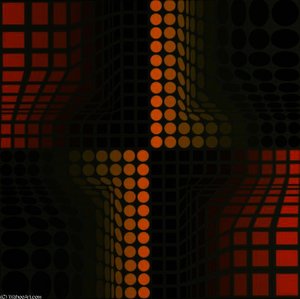


관련 콘텐츠

Slate Blue Masterpieces: 10 Iconic Paintings & Timeless Home Decor Ideas
Immerse yourself in the captivating world of slate blue! Explore 10 iconic paintings by Monet, Van Gogh & Renoir. Discover their stories, techniques & find museum-quality art reproductions for your home at .

기하학적 추상 미술을 정의한 명작 10가지 | ArtsDot.com
몬드리안, 말레비치 등 거장들의 기하학적 추상 미술 명작 10선을 만나보세요. 각 작품의 예술사적 의미와 색채, 구성을 탐구하고 ArtsDot.com에서 고품질 아트 프린트를 소장하세요. 지금 바로 온라인 컬렉션을 확인하세요!

추상표현주의를 정의한 10대 걸작: 예술과 인테리어의 새로운 영감
추상표현주의의 심장을 뛰게 한 10대 걸작을 만나보세요. 폴록, 로스코 등 거장의 작품 비하인드 스토리와 예술적 영감을 ArtsDot에서! 지금 바로 미술품 컬렉션을 탐험하고, 당신의 공간에 특별한 예술적 감성을 더하세요. ArtsDot.com