


 실제 크기로 보기
 보내기
보내기 공유하기
공유하기
 상세 보기
상세 보기 가이드 보기

 이미지 다운로드
 유사 작품 더 보기
 X-레이
X-레이 슬라이드 쇼 보기
 통계 정보
통계 정보Ukifune

 상세 보기
상세 보기
핸드메이드 유화 복제화
작가가 직접 캔버스에 손으로 그린 유화 작품으로, 원하는 크기와 액자로 맞춤 제작해 드립니다. ( 프린트 판매로 전환 디지털 이미지 판매 채널로 전환)




P118B $10

P118H $10

P118W $10

P438Z $10

P508JH $12

P508YH $12

P805H $10

P805Z $10

P919BZ $10

P919G $10

P919XJ $10

P959ZH $10

P968JZ $12

W106C $8

W218G $10

W218JH $8

W218Y $10

W307PJ $10

W316G $10

W316PJ $8

W316Y $10

W398PJ $8

W4111J $10

W500HY $15

W500JH $15

W692G $12

W849H $8

W940BG $15

W953PJ $8




작품의 원본 비율을 그대로 유지하는 프리셋 사이즈 중에서 선택해 보세요.

특정 프레임이나 공간에 맞춰 원하는 크기를 직접 입력하실 수 있습니다. 선택하신 크기가 원본 이미지의 비율과 일치하지 않을 경우, 작품을 자르거나 추가적인 수작업 요소를 더해 그림을 확장하여 제작합니다. 제작 시작 전, 최종 확인을 위해 디지털 목업을 보내드립니다.
화면상의 미리 보기는 실제 크롭(자르기)이나 확장된 상태를 완벽히 반영하지 않을 수 있습니다. 최종 구도는 오직 목업을 통해서만 정확하게 확인하실 수 있습니다.
맞춤 크기 제작도 가능하지만, 원본의 비율을 그대로 유지하기 위해서는 미리 정의된 목록에서 크기를 선택하시는 것을 권장합니다.
주문 완료 후 ArtsDot.com 팀에서 상세 안내를 위해 고객님께 이메일을 보내드리며, 미리보기 시안을 함께 제공해 드립니다.


 유리 옵션은 110cm 미만 크기에서만 선택 가능합니다.

Ukifune
재현 매체
복제본 규격
-


총 결제 금액
$ 263
관련 작품들


작가 소개
A Quiet Master of Ukiyo-e: The Life and Art of Toyota Hokkei
Born in Edo (modern Tokyo) in 1780, Toyota Hokkei emerged as a significant, though often understated, figure within the vibrant world of *ukiyo-e*, the “pictures of the floating world.” Unlike some of his more flamboyant contemporaries, Hokkei cultivated a style characterized by serene beauty and meticulous detail. His life, while not extensively documented, reflects a dedication to artistic practice and a deep appreciation for classical Japanese literature and poetry – influences that would profoundly shape his oeuvre. He wasn’t born into privilege or an established art lineage; rather, he began his career as a clerk, diligently pursuing his passion for painting in his spare time. This self-directed path allowed him the freedom to develop a unique aesthetic, unburdened by strict adherence to prevailing trends. Hokkei's early work shows the influence of Kanenobu, but he quickly moved beyond imitation, forging his own distinctive voice within the landscape and genre scenes so popular during the Edo period. He was a late bloomer, gaining recognition later in life, yet leaving behind a legacy of delicate and evocative works that continue to captivate audiences today.The Tale of Genji and Hokkei’s Artistic Focus
While Hokkei produced a variety of *ukiyo-e* subjects – including landscapes, bird-and-flower paintings, and scenes from daily life – he is perhaps best known for his illustrations of Murasaki Shikibu's monumental novel, *The Tale of Genji*. This ambitious project, undertaken in the 1840s, represents a culmination of his artistic sensibilities. The *Tale of Genji*, considered one of the greatest works of Japanese literature, depicts the complex lives and romantic entanglements within the Heian court. Hokkei’s renderings are not merely illustrations; they are interpretations imbued with a profound understanding of the novel's emotional nuances and aesthetic principles. His scenes eschew dramatic action in favor of quiet contemplation, focusing on the subtle gestures, refined interiors, and evocative landscapes that define the world of Genji. He masterfully captured the elegance and melancholy inherent in the story, translating the literary beauty into visual form. The series demonstrates his exceptional skill in depicting interior spaces, clothing, and the delicate emotions of his subjects.Technique and Style: A Refined Approach to Woodblock Printing
Hokkei’s technical prowess was remarkable. He wasn't a prolific printmaker like Hokusai or Hiroshige; instead, he often collaborated with skilled block carvers and printers, focusing on the design itself. His style is characterized by refined linework, subtle color palettes, and an emphasis on atmospheric perspective. Unlike some *ukiyo-e* artists who favored bold compositions and striking contrasts, Hokkei opted for a more restrained approach. He employed delicate gradations of color to create a sense of depth and mood, often using muted tones that evoke a feeling of nostalgia and tranquility. His landscapes are particularly noteworthy for their realistic depiction of natural forms – the gentle curves of hillsides, the shimmering surface of water, the intricate patterns of foliage. He was meticulous in his attention to detail, ensuring that every element within his compositions contributed to the overall harmony and aesthetic effect. He favored a *surimono* style, which allowed for greater artistic freedom and experimentation with color and texture.Influences and Legacy
While Hokkei’s work stands apart in its quiet elegance, it wasn't created in isolation. He was undoubtedly influenced by earlier masters of *ukiyo-e*, particularly Kanenobu and the traditions of Edo period painting. However, his deep engagement with classical literature – especially *The Tale of Genji* – set him on a unique artistic path. His work also reflects an appreciation for Chinese landscape painting, evident in his use of atmospheric perspective and subtle color washes.- Hokkei’s influence can be seen in the works of later artists who sought to capture the beauty of classical Japanese literature.
- His emphasis on refined detail and emotional nuance paved the way for a more introspective approach to *ukiyo-e*.
- Although not as widely recognized during his lifetime, Hokkei’s work has gained increasing appreciation in recent decades.
Historical Significance and Modern Appreciation
Toyota Hokkei passed away in 1850, leaving behind a body of work that offers a unique window into the artistic sensibilities of Edo period Japan. While he may not have achieved the same level of fame as some of his contemporaries, his contributions to *ukiyo-e* are significant. His illustrations of *The Tale of Genji* represent a masterful fusion of literature and art, demonstrating his exceptional skill in translating complex narratives into visual form. Today, Hokkei’s paintings are highly sought after by collectors and scholars alike. They provide valuable insights into the cultural values and aesthetic preferences of 19th-century Japan, and continue to inspire artists and audiences with their serene beauty and meticulous detail. His work serves as a reminder that artistic greatness doesn't always require bold innovation; sometimes, it lies in the quiet mastery of established traditions and a deep appreciation for the enduring power of human emotion.
toyota hokkei
1780 - 1850 , Japan
관련 기사

Ukiyo-e: Exploring Japan's Floating World & Enduring Artistic Legacy
Explore the captivating world of Ukiyo-e – Japan's iconic woodblock prints! Discover masters like Hokusai & Hiroshige, learn about Edo period culture, and find expert art collecting guidance at ArtsDot.

Ukiyo-e's Poetic Visionary: Hiroshige Ando & the Transformation of Landscape in 19th-Century Japan
Explore the life & art of Ando Hiroshige, Japan's last great ukiyo-e master. Discover his iconic landscapes, poetic style, and profound influence on Western Impressionism. Learn about The Fifty-Three Stations & more!
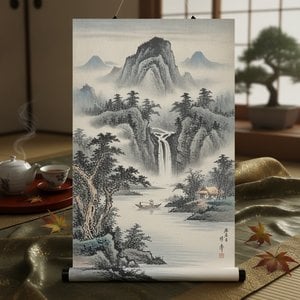
Serenity on Canvas: A Guide to the Timeless Beauty of Japanese Landscape Painting
Discover the serene beauty of Japanese landscape painting. From Hokusai's iconic woodblock prints to meditative sumi-e ink washes, explore a visual journey through the 'floating world' and learn how to bring this timeless Zen aesthetic into your modern home decor.

가츠시카 호쿠사이 최고 걸작 25선: 우키요에의 정수를 만나다 | ArtsDot
가츠시카 호쿠사이의 최고 걸작 25선을 만나보세요. 우키요에, 대판화 기법과 후지산 풍경의 아름다움을 담은 명작들을 감상하고, ArtsDot에서 고품질 아트 프린트와 인테리어 액자를 찾아보세요. 지금 바로 컬렉션을 탐험하세요!

Floating World: The Captivating Art and Legacy of Japanese Ukiyo-e
Explore the profound beauty of Japanese Ukiyo-e. Discover the history, masters like Hokusai, and the enduring legacy of the 'Floating World' through an expert art-historical lens.