

 실제 크기로 보기
 보내기
보내기 공유하기
공유하기
 상세 보기
상세 보기 가이드 보기

 이미지 다운로드
 유사 작품 더 보기
 X-레이
X-레이 슬라이드 쇼 보기
 Q&A
Q&A 통계 정보
통계 정보The Fish Dinner

- 160.0 x 213.0 cm


 상세 보기
상세 보기
지클레 / 아트 프린트
빠른 제작과 다양한 마감 옵션을 선택할 수 있는 박물관 수준의 지클레이 및 캔버스 프린트. ( 수작업 채색 복제본 주문하기 디지털 이미지 판매 채널로 전환)




P118B ₩10

P118H ₩10

P118W ₩10

P438Z ₩10

P508JH ₩12

P508YH ₩12

P805H ₩10

P805Z ₩10

P919BZ ₩10

P919G ₩10

P919XJ ₩10

P959ZH ₩10

P968JZ ₩12

W106C ₩8

W218G ₩10

W218JH ₩8

W218Y ₩10

W307PJ ₩10

W316G ₩10

W316PJ ₩8

W316Y ₩10

W398PJ ₩8

W4111J ₩10

W500HY ₩15

W500JH ₩15

W692G ₩12

W849H ₩8

W940BG ₩15

W953PJ ₩8




작품의 원본 비율을 그대로 유지하는 프리셋 사이즈 중에서 선택해 보세요.

액자나 벽면 크기에 맞춰 필요한 가로와 세로 길이를 입력해 주세요. 프린트는 원본 이미지보다 크게 제작할 수 없으며 오직 자르는 것만 가능하므로, 비율이 다른 사이즈를 선택할 경우 이미지의 일부가 잘려 나갈 수 있습니다. 인쇄 작업에 들어가기 전, 최종 확인을 위해 디지털 목업을 보내드립니다. 이 페이지에 표시된 이미지는 실제 잘리는 영역을 나타내지 않으며, 오직 목업을 통해서만 정확한 확인이 가능합니다.


 유리 옵션은 110cm 미만 크기에서만 선택 가능합니다.

The Fish Dinner
지클레 / 아트 프린트
복제본 규격
-


총 결제 금액
₩ 83614
A Glimpse into Georgian Satire: Thomas Rowlandson’s “The Fish Dinner”
Thomas Rowlandson's "The Fish Dinner," painted in 1788, isn’t merely a depiction of a convivial gathering; it’s a meticulously crafted slice of Georgian society viewed through the discerning and often critical lens of a master satirist. This remarkable monochrome illustration, rendered in ink on paper with an extraordinary command of cross-hatching and stippling, captures a scene brimming with boisterous energy and subtle social commentary – a testament to Rowlandson’s unparalleled ability to expose the follies and vanities of his era.
Rowlandson, born into modest circumstances in London, quickly established himself as a leading figure in the burgeoning world of caricature. His work wasn't simply about humor; it was a pointed critique of the upper classes, their excesses, and the prevailing social norms. “The Fish Dinner” exemplifies this perfectly, presenting a scene of apparent merriment that subtly reveals the underlying chaos and indulgence characteristic of Georgian high society. The crowded dining table, dominated by a large fireplace and surrounded by figures engaged in animated conversation and feasting, immediately establishes a sense of controlled pandemonium.
The Language of Line: Technique and Style
What truly sets this work apart is Rowlandson’s masterful technique. He abandons the conventions of color, relying entirely on tonal variations achieved through an intricate network of cross-hatching and stippling to create a remarkably rich and textured image. The varying densities of lines delineate forms with astonishing precision – from the folds of fabric draped across the table to the expressive features of the assembled guests. Notice how the loose, sketchy lines contribute to the overall feeling of spontaneity and movement; it’s as if we're witnessing a fleeting moment captured in ink.
The deliberate flatness of the composition, achieved through the absence of strong perspective and diffused lighting, further emphasizes the satirical intent. Rowlandson deliberately avoids creating a sense of depth, instead focusing on capturing the immediate impression of the scene – a snapshot of overindulgence and social awkwardness. The use of grey tones also lends the work a timeless quality, allowing it to resonate with viewers across centuries.
Symbolism and Social Commentary
Beyond its technical brilliance, “The Fish Dinner” is laden with symbolic meaning. The abundance of food, the boisterous behavior of the guests, and their exaggerated expressions all point towards a critique of the extravagance and moral laxity prevalent in Georgian society. Rowlandson’s caricatured figures – their faces contorted in laughter, gestures overly dramatic – are not meant to be admired but rather scrutinized. They represent a broader commentary on the superficiality and self-absorption that characterized the upper classes.
The inclusion of the fireplace mantel, a common feature of domestic interiors at the time, adds another layer of meaning. It serves as a backdrop to the revelry, suggesting both warmth and potential for destructive indulgence. The scene subtly suggests a warning – a reminder of the dangers of unchecked pleasure and social excess.
A Timeless Masterpiece: Reproduction Possibilities
ArtsDot is proud to offer meticulously hand-painted reproductions of Thomas Rowlandson’s “The Fish Dinner.” Our skilled artists recreate the intricate details, expressive lines, and nuanced tonal variations of the original with exceptional fidelity. Whether you're an art collector seeking a unique addition to your collection or an interior designer looking for a striking piece to enhance a space, our reproduction captures the essence of this iconic work of satire. The choice of monochrome allows it to seamlessly integrate into diverse décor styles, adding a touch of wit and historical depth.
Consider commissioning a custom size – from a compact statement piece to a grand-scale artwork for a formal setting. Each reproduction is created with the same care and attention to detail as the original, ensuring that you receive a truly exceptional work of art that will be treasured for generations to come. Explore our options today and bring this captivating glimpse into Georgian society into your home.
질의응답
"The Fish Dinner"은(는) 누가 제작했으며 어떤 화풍인가요?
"The Fish Dinner"은(는) Late 18th Century Satire 양식으로 토마스 로울프슨가 제작하였습니다. 작가와 미술 사조는 해당 작품의 전통을 나타냅니다.
"The Fish Dinner"은 전체적으로 밝은 편인가요, 아니면 어두운 편인가요?
토마스 로울프슨의 "The Fish Dinner"의 기록된 수치는 다음과 같습니다: 밝기 brilliant, 휘도 Bright Balance.
토마스 로울프슨의 "The Fish Dinner"의 색감은 채도가 높은 편인가요, 아니면 차분한 편인가요?
토마스 로울프슨의 "The Fish Dinner"의 색상은 Muted 정도의 채도를 띱니다. 채도는 색상이 얼마나 선명하거나 차분한지를 나타냅니다.
관련 작품들


작가 소개
A Life Etched in Satire: The World of Thomas Rowlandson
Born amidst the bustling streets of Old Jewry, London, on July 13th, 1756 (baptized July 23rd, 1757), Thomas Rowlandson emerged as a defining voice – and pen – of Georgian England. His life, initially shadowed by his father’s financial struggles that necessitated a move to Richmond, North Yorkshire in 1759, would ultimately blossom into an artistic career marked by unparalleled wit and incisive social commentary. Rowlandson wasn't merely documenting his era; he was holding a mirror to its follies, exaggerating its vanities, and immortalizing its characters with a uniquely satirical eye. From humble beginnings, nurtured by an uncle’s support that allowed him access to education at Dr. Barwis’ school in Soho Square, Rowlandson embarked on a path that would see him become one of the most celebrated – and controversial – caricaturists of his time. Even as a schoolboy, his innate talent manifested itself in playful sketches adorning the margins of his books, foreshadowing a career dedicated to visual storytelling with a mischievous edge.
Early Life and Artistic Training
Thomas Rowlandson’s father was a weaver who worked in the textile trade, shaping his formative years. He studied at the Royal Academy in 1772, where he honed his skills for six years, including a period of study in Paris under Jean-Baptiste Pigalle. This exposure to continental techniques proved invaluable, laying the foundation for his distinctive style – a blend of delicate draughtsmanship and bold exaggeration. Rowlandson’s early works were characterized by a remarkable facility for line and a keen understanding of human expression, qualities that would become hallmarks of his mature style.
The Rise of Caricature and Collaboration
Rowlandson quickly recognized the potential of caricature as a means of supplementing his income, and this soon became his major interest. He began to dissect the social landscape with ruthless accuracy, targeting politicians, aristocrats, and everyday citizens alike. The financial pressures following his aunt’s death further propelled him towards caricature as a method of livelihood, yet this shift wasn't merely pragmatic; it was an artistic awakening. His collaboration with publisher Rudolph Ackermann yielded some of his most enduring works, including *The Schoolmaster’s Tour* (1809), a series of plates accompanied by verses from Dr. William Combe, and the iconic *Tour of Dr. Syntax in Search of the Picturesque* (1812). These works weren't simply visual accompaniments to text; they were integral to the storytelling, enhancing the humor and social commentary through dynamic compositions and expressive characterizations.
Notable Works and Artistic Style
Rowlandson’s artistic style—a blend of delicate draughtsmanship and bold exaggeration—became synonymous with his era. His ability to capture both the grandeur of landscapes and the absurdity of human behavior cemented his reputation as a leading artist of the Georgian period. Pieces like *Hengar House the Seat of Matthew Mitchell Esq., Cornwall* (1812) and *Glorious Defeat of the Dutch Navy* (1797) stand as testaments to his artistic skill and historical significance. Rowlandson’s influence can be seen in subsequent generations of cartoonists and illustrators who embraced satire as a means of social commentary.
Legacy and Influence
Thomas Rowlandson left behind an extensive body of art – over 381 artworks are cataloged at ArtsDot.com alone – that provides a vivid and often unflattering portrait of Georgian society. His caricatures weren’t merely about ridicule; they were astute observations on the political climate, social customs, and human foibles of his time. He fearlessly lampooned figures like the Duchess of Devonshire, William Pitt the Younger, and Napoleon Bonaparte, exposing their vulnerabilities and challenging established power structures. Rowlandson's enduring appeal lies in its timeless relevance – the human tendencies towards vanity, hypocrisy, and absurdity that he so brilliantly captured remain remarkably consistent across centuries.

토마스 로울프슨
1756 - 1827 , 영국
작가 정보 요약
- Artistic Movement Or Style: 풍자 미술
- Artists Who Influenced This Artist:
- 페터 폴 루베르스
- 토마스 게인즈버러
- Date Of Birth: 1756년 7월 13일
- Date Of Death: 1827년 4월 21일
- Full Name: Thomas Rowlandson
- Nationality: 영국인
- Notable Artworks:
- 학교 교사 투어
- 닥터 신테스 시리즈
- 눈물짓는 모습
- Place Of Birth: 런던 영국
관련 기사

The Sharpest Wit: A Historical Exploration of Satire in Visual Culture
Explore the history of satire in art! From ancient masters like Aristophanes to Goya & Grosz, discover how artists use wit and critique to reflect—and challenge—society. Expert insights at ArtsDot.
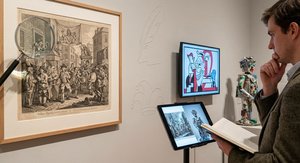
The Sharpest Wit: A Critical Exploration of Satire in Art History – From Hogarth to Contemporary Critique
Explore the history of satire in art! From Hogarth's London to contemporary critique, discover how artists use wit & visual power to reflect and challenge society. Expert insights at ArtsDot.

Dark Masterpieces: 10 Iconic Paintings Dominated by Black Tones |
Explore 10 iconic paintings dominated by black tones, from Rembrandt’s chiaroscuro to Goya's dark expressions. Discover the stories behind these masterpieces & find museum-quality art reproductions for your home at .
Mars Black Masterpieces: 10 Iconic Paintings & Timeless Art Decor Ideas
Delve into the power of 'Mars Black' with 10 iconic paintings by masters like Rembrandt & Caravaggio. Explore dramatic chiaroscuro, gothic art, and timeless beauty. Find museum-quality reproductions & elevate your home decor on .

Thomas Rowlandson: Satire, Society & the Art of Caricature in Georgian England
Explore the witty world of Thomas Rowlandson, master Georgian caricaturist! Discover his satirical prints & insightful social commentary on 18th-century England. Learn about his life, techniques, and enduring influence.