

 미리보기
미리보기
 공유하기
공유하기 공유하기
공유하기
 상세 정보
상세 정보 가이드 보기

 다운로드
다운로드
 유사 작품 더 보기
 X-레이
X-레이 슬라이드 쇼 보기
 질의응답
질의응답 통계 정보
통계 정보Prometheus Bound

- 243.0 x 162.0 cm


 더 보기
더 보기
지클레 / 아트 프린트
빠른 제작과 다양한 마감 옵션을 제공하는 박물관 수준의 지클레이 및 캔버스 프린트. ( 수작업 채색 복제본 주문하기 디지털 이미지로 전환)




P118B ₩10

P118H ₩10

P118W ₩10

P438Z ₩10

P508JH ₩12

P508YH ₩12

P805H ₩10

P805Z ₩10

P919BZ ₩10

P919G ₩10

P919XJ ₩10

P959ZH ₩10

P968JZ ₩12

W106C ₩8

W218G ₩10

W218JH ₩8

W218Y ₩10

W307PJ ₩10

W316G ₩10

W316PJ ₩8

W316Y ₩10

W398PJ ₩8

W4111J ₩10

W500HY ₩15

W500JH ₩15

W692G ₩12

W849H ₩8

W940BG ₩15

W953PJ ₩8




작품의 원본 비율을 그대로 유지하는 프리셋 사이즈 중에서 선택해 보세요.

액자나 벽면 크기에 맞춰 필요한 가로와 세로 길이를 입력해 주세요. 프린트는 원본 이미지보다 크게 제작할 수 없으며 오직 자르는 것만 가능하므로, 비율이 다른 사이즈를 선택할 경우 이미지의 일부가 잘려 나갈 수 있습니다. 인쇄 작업에 들어가기 전, 최종 확인을 위해 디지털 목업을 보내드립니다. 이 페이지에 표시된 이미지는 실제 잘리는 영역을 나타내지 않으며, 오직 목업을 통해서만 정확한 확인이 가능합니다.


 유리 옵션은 110cm 미만 크기에서만 선택 가능합니다.

Prometheus Bound
지클레 / 아트 프린트
복제본 크기
-


최종 결제 금액
₩ 83588
The Weight of Myth: Thomas Cole’s “Prometheus Bound”
Thomas Cole's "Prometheus Bound," painted in 1847, isn’t merely a landscape; it’s a profound meditation on defiance, punishment, and the enduring human spirit. This monumental canvas, now residing within the Fine Arts Museums of San Francisco, transcends its subject matter to become a powerful allegory for the struggles inherent in challenging authority and forging one's own destiny. Cole, a pivotal figure in the Hudson River School movement, masterfully blends Romanticism with an underlying moral urgency, creating an image that continues to resonate deeply with viewers today.
The scene depicts Prometheus, chained to a towering rock formation amidst a desolate, snow-laden mountainscape. The composition is strikingly dramatic – a vast expanse of jagged peaks dominates the background, dwarfing the solitary figure of the Titan and emphasizing his isolation and vulnerability. A vulture circles overhead, a constant reminder of Zeus’s relentless retribution, while a subtle hint of Jupiter, the Roman equivalent of Zeus, watches from above, embodying the cold indifference of divine power. Cole's use of light is particularly masterful; a diffused, almost ethereal glow illuminates the scene, casting long shadows and creating an atmosphere of both grandeur and despair. The color palette—primarily cool blues, grays, and whites—reinforces this sense of bleakness, punctuated by the fiery red underpaint used to render the snow-covered mountains – a deliberate choice that subtly hints at Prometheus’s stolen fire.
A Myth Made Manifest: Exploring the Narrative
The painting draws directly from Aeschylus's Greek tragedy, “Prometheus Bound,” a story of rebellion against the gods. Prometheus, in this narrative, is not simply a titan but a symbol of humanity’s relentless pursuit of knowledge and progress. He steals fire from Mount Olympus, gifting it to mankind – an act of defiance that ultimately earns him eternal torment at the hands of Zeus. Cole doesn't shy away from the brutality of the punishment; the stark depiction of Prometheus’s chains and the looming threat of the vulture vividly convey the weight of his transgression. However, within this scene of suffering, there is also a palpable sense of resilience. Prometheus’s gaze, fixed upon the viewer, exudes an almost defiant serenity—a refusal to succumb to despair.
The inclusion of the chorus, comprised of figures emerging from the depths of the mountains, adds another layer of complexity to the narrative. They represent the forces of nature, witnesses to Prometheus's plight, and perhaps even a subtle acknowledgment of his heroic struggle. Their hesitant approach, marked by curiosity and apprehension, suggests that even those seemingly untouched by divine wrath recognize the significance of Prometheus’s actions.
The Hudson River School: A New American Vision
“Prometheus Bound” is a quintessential example of the Hudson River School's artistic philosophy. Unlike earlier European landscape paintings that often focused on idyllic pastoral scenes, Cole sought to capture the raw power and sublime beauty of the American wilderness. He employed a technique known as “atmospheric perspective,” subtly blurring distant elements to create a sense of depth and vastness. This approach wasn’t simply about replicating reality; it was about conveying an emotional response—a feeling of awe and reverence for nature's grandeur.
Cole’s work also reflects the burgeoning American identity of the mid-19th century, grappling with themes of independence, self-reliance, and the relationship between humanity and the natural world. The painting can be interpreted as a metaphor for America’s own struggle to assert its sovereignty against established powers – a sentiment particularly relevant in the context of westward expansion and the nation's growing tensions with European empires.
A Timeless Masterpiece: Reproduction & Beyond
Reproductions of “Prometheus Bound” offer an exceptional opportunity to bring this powerful image into any setting. The meticulous detail, evocative atmosphere, and profound symbolism ensure that a high-quality reproduction will serve as both a beautiful work of art and a compelling conversation piece. Consider framing the artwork in a manner that complements its dramatic scale and reinforces its thematic resonance – perhaps within a contemporary interior space to juxtapose the ancient myth with modern life.
For those seeking an authentic experience, exploring the original painting at the Fine Arts Museums of San Francisco is highly recommended. It’s a truly immersive encounter with one of America's most significant artistic achievements—a testament to Thomas Cole’s genius and a timeless exploration of human courage in the face of overwhelming adversity.
질의응답
토마스 콜의 "Prometheus Bound" 이미지는 어디에서 다운로드할 수 있나요?
"Prometheus Bound"을(를) 다운로드하실 수 있습니다: 작품의 디지털 이미지 다운로드 페이지에서 고해상도 디지털 이미지 다운로드 이용이 가능합니다.
토마스 콜은(는) 몇 세에 "Prometheus Bound"을(를) 제작했을까요?
1847년에 "Prometheus Bound"이(가) 제작되었을 당시, 1801년에 태어난 토마스 콜의 나이는 46세였습니다.
원작 토마스 콜의 "Prometheus Bound"의 기법과 크기는 어떻게 되나요?
"Prometheus Bound"은(는) Oil 기법으로 제작되었으며, 원작의 크기는 243 x 162 cm입니다.
유사한 작품들


작가 정보
토마스 콜의 삶과 예술
1801년 2월 1일, 영국 랭커셔의 볼턴 레 무어스에서 태어난 토마스 콜의 시작은 훗날 그의 이름을 정의하게 될 그 웅장한 풍경들과는 거리가 먼 곳이었습니다. 1818년, 그의 가족은 미지의 광활한 영토에서 새로운 시작을 꿈꾸며 미국으로 이주했습니다. 초기 시절의 그는 여러 직업을 전전하는 삶을 살았습니다. 판화를 그리는 조각가로 일하기도 했고, 1822년부터는 초상화가로서 안정적인 기반을 잡기 시작했습니다. 그는 정규 미술 교육 대신 관찰과 독학을 통해 예술적 안목을 키워나간 독학파 예술가였습니다. 이러한 독립적인 정신은 그가 미국 대륙의 거친 황야를 오직 자신만의 독창적인 시선으로 바라볼 수 있게 하는 원동력이 되었습니다.
시간이 흐르며 그의 예술적 관심은 개인의 얼굴을 담아내는 초상화에서 대자연의 장엄한 규모로 옮겨갔습니다. 그는 허드슨 강 학파를 창시함으로써, 스스로의 정체성을 형성해 나가던 신생 국가 미국에 시각적 언어를 제공했습니다. 그의 작품은 유럽의 정형화된 전통에서 벗어나, 길들여지지 않은 숲과 산맥 속에서 영적인 울림을 찾아내고자 했습니다. 그는 신대륙의 계곡을 가로지르는 빛과 그림자의 상호작용 속에서 심오한 의미를 발견하며, 끊임없이 관찰하는 삶을 살았습니다. 자연을 향한 이러한 헌신은 1848년 2월 11일, 뉴욕주 카츠킬에서 그가 세상을 떠나기 전까지 계속되었습니다.
캣스킬과 뉴욕에서의 삶
필라델피아에서의 생활을 뒤로하고, 1825년 토마스 콜은 뉴욕주 캣스킬로 거처를 옮겼습니다. 이 이주는 그의 삶과 예술적 성취를 결정짓는 중대한 전환점이 되었습니다. 1827년에 이르러 그는 캣스킬의 농장인 시더 그로브(Cedar Grove)에 정착하여 주거 공간이자 작업실인 영구적인 스튜디오를 마련했습니다. 바로 이 풍경 속에서 그는 초기의 초상화가로서의 작업에서 벗어나, 미국의 거친 야생을 깊이 있게 탐구하는 화가로 변모해 나갔습니다.
캣스킬에서의 가정생활은 1836년 마리아 바토(Maria Bartow)와의 결혼과 함께 새로운 국면을 맞이했습니다. 이 안정적인 시기는 그의 예술적 전성기와 맞물려 있었으며, 그는 스튜디오에서 주변의 지형적 특징들을 거대한 캔버스 위로 옮겨 담는 작업에 몰두했습니다. 허드슨 리버 밸리의 환경은 단순히 그림의 배경에 머무는 것이 아니라, 그의 일상 속에 늘 함께하는 실존적인 존재였습니다.
그의 생애는 그가 화폭에 담아냈던 계절의 변화만큼이나 갑작스럽게 저물었습니다. 토마스 콜은 흉막염과의 사투 끝에 1848년 2월 11일 캣스킬에서 세상을 떠났습니다. 그는 자신의 예술적 영감이 가장 찬란하게 꽃피웠던 그 땅의 흙과 빛에 깊이 뿌리 내린 위대한 예술적 유산을 남겼습니다.
기법과 예술적 양식
토마스 콜은 주로 캔버스에 유채를 사용하여 작업했으며, 이러한 매체는 그가 낭만적인 풍경화와 역사화 모두에서 명성을 쌓는 밑거름이 되었습니다. 그의 화풍은 대개 무디고 광활한 자연 풍경을 배경으로 작은 인물이나 고립된 구조물을 배치하는 방식을 취했습니다. 이러한 구도는 단순히 눈앞의 경치를 재현하는 것에 그치지 않았습니다. 그는 물리적인 세계를 도구 삼아 더 깊은 도덕적, 영적 의미를 암시하는 알레고리적 표현을 자주 사용했습니다. 특히 미국 황야의 질감을 묘사하는 데 탁월한 능력을 갖추었으며, 빛과 그림자의 상호작용을 정교하게 활용하여 화면에 압도적인 분위기와 깊이감을 불어넣었습니다.
그의 미학은 당대의 급격한 변화에 대한 일종의 저항을 반영하며 다소 보수적이라는 평가를 받기도 했습니다. 그는 붓질을 통해 산업화와 도시화, 그리고 서부 개척이라는 거침없는 확장이 불러온 시대적 흐름에 대해 조용한 비판을 던졌습니다. 그는 자신이 성장했던 산업 혁명기 영국 브리튼의 스모그 자욱한 도시 경관과 극명한 대조를 이루는, 태초의 순수함을 간직한 자연의 낙원으로서 신대륙을 바라보기를 선호했습니다. 인공적인 환경보다 길들여지지 않은 자연을 지향했던 이러한 태도는 그의 작품에 독특하면서도 때로는 현실을 초월한 듯한 몽환적인 성격을 부여했습니다.
- The Oxbow (약 1836년)
- The Voyage of Life: Childhood (1842년)
- The Voyage of Life: Manhood (1842년)
- The Voyage of Life: Old Age (1842년)
- Prometheus Bound (1847년)
주요 작품과 대작 시리즈
토마스 콜의 초기 작품들은 미국 대자연이 지닌 가공되지 않은 야성적 힘에 대한 깊은 매혹을 드러냅니다. 1826년, 그는 황야의 수직적 에너지를 포착해낸 카터스킬 폭포(Kaaterskill Falls)를 선보였습니다. 예술적 야심이 커짐에 따라 그의 구도는 더욱 복잡하고 정교해졌습니다. 1833년경에는 거인의 잔(The Titan's Goblet)을 그렸고, 1836년에 이르러서는 길들여지지 않은 강 계곡과 서서히 침범해오는 경작지를 극명하게 대비시킨 옥스보우(The Oxbow)를 완성했습니다. 이처럼 야생과 문명 사이의 팽팽한 긴장감은 그의 시각적 언어를 관통하는 핵심적인 주제가 되었습니다.
그의 가장 야심 찬 도전은 1836년에 완성된 5부작 시리즈 제국의 과정(The Course of Empire)이었습니다. 토마스 콜은 이 캔버스들을 통해 태초의 순수한 상태에서 필연적인 파멸에 이르기까지, 문명이 겪는 순환적인 흥망성쇠를 추적했습니다. 시간의 흐름과 인간의 조건에 대한 이러한 탐구는 노년에 이르러 더욱 심화되었습니다. 1842년, 그는 인간 삶의 단계를 알레고리로 묘사한 인생의 항해(The Voyage of Life)를 그렸습니다. 말년의 그는 종종 종교적이거나 신화적인 주제로 나아가며 더욱 심오한 세계를 탐구했는데, 이는 1840년경 그려진 건축가의 꿈(The Architect's Dream)과 그리스 비극을 바탕으로 한 대작 프로메테우스의 결박(Prometheus Bound)(1847)에서 극명하게 나타납니다. 1845년 작인 사냥꾼(The Hunter)조차도 광활하고 햇살이 가득한 계곡 속에 인간의 형상을 배치하는 그의 탁월한 능력을 잘 보여줍니다.
- 카터스킬 폭포 (1826)
- 옥스보우 (1836)
- 제국의 과정 (1836)
- 인생의 항해 (1842)
- 사냥꾼 (1845)
- 프로메테우스의 결박 (1847)
인간관계와 라이벌, 그리고 제자들
토마스 콜의 삶은 가족이라는 가장 친밀한 울타리부터 당대 가장 유망한 예술가들에 이르기까지, 촘촘하게 연결된 관계의 망 위에 세워져 있었습니다. 그의 누이인 사라 콜은 풍경화를 향한 오빠의 예술적 성향을 공유하며, 그 자체로 독자적인 화가로서의 입지를 다졌습니다. 그의 가정 내에서 예술적 충동은 가족 모두가 공유하는 공통의 언어와도 같았습니다. 그의 딸 에밀리 콜은 수채화를 이용한 식물 화가로서, 혹은 섬세한 도자기 예술가로서 어머니와는 또 다른, 그러나 예술적 맥락을 같이 하는 길을 걸었습니다.
그의 예술적 영향력이 가장 직접적으로 발현된 것은 프레데릭 에드윈 처치를 향한 멘토링을 통해서였습니다. 토마스 콜은 처치를 이끌어줌으로써 허드슨 강 학파의 원칙이 강력한 후계자를 통해 계승될 수 있도록 길을 열어주었습니다. 이러한 예술적 계보는 단순히 기법의 전수를 넘어, 미국 황야를 바라보는 특유의 시각을 물려준 것이었습니다. 또한, 그는 공식적인 제자들 외에도 다니엘 워즈워스와 깊고 지속적인 우정을 나누었는데, 이러한 유대감은 그의 방대한 예술적 활동 속에서도 삶의 든든한 버팀목이 되어주었습니다.
유산과 영원한 영향력
1848년 토마스 콜의 떠남은 미국 풍경화계에 거대한 공백을 남겼으며, 수많은 예술가가 그 빈자리를 채우기 위해 수십 년을 분투하게 만들었습니다. 허드슨 강 학파의 창시자로서 그는 자신의 땅과 하늘을 통해 스스로를 정의하고자 했던 신생 국가에 최초의 유의미한 시각적 언어를 제공했습니다. 그의 작품은 단순히 경치를 기록하는 수준을 넘어, 후대 화가들이 황야의 영적, 도덕적 차원을 탐구할 수 있게 하는 시각적 문법을 확립했습니다. 이러한 변화는 미국 미술이 유럽 전통의 지방색 짙은 모방에서 벗어나, 독자적이고 강력한 예술적 힘을 가진 존재로 변모하는 데 결정적인 역할을 했습니다.
그의 영향력은 동시대 예술가들의 범위를 훨씬 넘어 멀리까지 뻗어 나갔습니다. 깊은 철학적 탐구와 결합된 직접적인 관찰의 중요성을 전수함으로써, 그는 19세기 내내 미국 풍경화의 궤적을 형성했습니다. 자연 세계 속에 알레고리를 엮어내는 그의 탁월한 능력은 붓터치의 미학을 넘어, 대중이 미국의 황야를 인식하는 방식 자체에 깊은 울림을 주었습니다. 토마스 콜은 오늘날까지도 인간과 길들여지지 않은 자연 사이의 관계를 탐구하는 모든 예술적 여정 속에서 그 존재감을 드러내며, 미국 예술 성취의 초석으로 남아 있습니다.
- 인생의 항해 (1842)
- 제국의 과정 (1836년 완성)
- 곡선의 강 (1836년경)
- 프로메테우스의 결박 (1847)
오늘날 그의 작품을 만나는 방법
토마스 콜이 그려낸 거대한 비전의 흔적을 직접 마주하기 위해서는 미국 미술의 정수가 모여 있는 주요 박물관으로 여정을 떠나야 합니다. 뉴욕의 메트로폴리탄 미술관은 "아르카디아의 꿈"의 습작을 포함하여 그의 예술적 성취가 담긴 중요한 작품들을 소장하고 있습니다. 워싱턴 D.C.의 국립 미술관에서는 "인생의 항해: 유년기", "인생의 항해: 청년기", 그리고 "인생의 항해: 노년기"와 같은 핵심적인 캔버스들을 보존하고 있습니다. 이 작품들을 통해 우리는 자연 풍경이라는 렌즈를 통해 인간의 경험을 고찰했던 그의 깊이 있는 시선을 직접 마주할 수 있습니다.
보스턴의 미술관 또한 그의 회화 컬렉션을 보유하고 있어, 그의 예술적 발전 과정을 더욱 심도 있게 이해할 수 있는 통찰을 제공합니다. 만약 그의 개인적인 삶의 궤적과 맞닿은 공간을 찾고 있다면, 뉴욕 캐츠킬에 위치한 토마스 콜 국립 역사 유적지를 방문해 보시기 바랍니다. 이곳은 그가 실제로 거주하며 작업했던 집과 화실을 보존하고 있는 곳입니다. '시더 그로브'로 알려진 이 유적지는 그의 삶을 형성하고 허드슨 리버 밸리를 관찰하며 예술적 영감을 얻었던 일상과 창조적 공간을 엿볼 수 있는 소중한 기회를 선사합니다.
- 타이탄의 잔 (1833)
- 건축가 (1840)
- 사냥꾼 (1845)
- 프로메테우스의 결박 (1847)

토마스 콜
1801 - 1848 , 영국
작가 정보 요약
- Artistic Movement Or Style: 허드슨 강 학파
- Artists Or Movements Influenced By This Artist:
- 프레데릭 에드윈 처치
- 허드슨 강 학파
- Artists Who Influenced This Artist:
- 클로드 로랑
- J.M.W. 터너
- Date Of Birth: 1801
- Date Of Death: 1848
- Full Name: 토마스 콜
- Nationality: 영국계 미국인
- Notable Artworks:
- 황금 옥스보우
- 제국의 과정
- 인생의 항해
- 프로메테우스의 결박
- Place Of Birth: 영국 볼턴
관련 콘텐츠

Echoes of Olympus: Mythological Narratives in Western Art Through the Ages
Explore the captivating history of mythological narratives in Western art! From ancient Greece to modern masterpieces, discover iconic artworks & symbolism. Expert analysis and high-quality reproductions at ArtsDot.

Embodying the Polis: Civic Virtue as Subject & Symbol in Western Art
Explore the fascinating history of civic virtue in Western art! From ancient Greece to the French Revolution, discover how artists depicted ideals of citizenship, duty & republicanism. Expert analysis at ArtsDot.
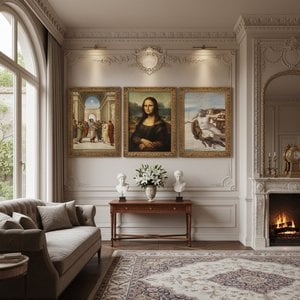
르네상스 거장들의 걸작 10선: 시대를 정의한 예술의 정수, ArtsDot에서 만나보세요
레오나르도 다 빈치, 미켈란젤로 등 르네상스 거장들의 명작을 만나보세요. 시대를 초월하는 예술의 정수를 감상하고, ArtsDot에서 고품질 복제화와 인테리어 영감을 얻으세요. 지금 바로 컬렉션을 탐험하세요!

Wilderness and Wonder: An Exploration of the Sublime in American Romantic Landscape Painting
Explore the power of the sublime through Thomas Cole and the Hudson River School. Discover the majesty of American Romantic landscapes now.

Beyond Imitation: The Cultural Resonance of Fine Art Reproduction & Discerning Collectors
Explore the cultural significance of fine art reproduction & its appeal to discerning collectors. Discover how reproductions enhance aesthetics, build collections, and signal status. Expert insights & museum-quality artistry.


