

 미리보기
미리보기
 공유하기
공유하기 공유하기
공유하기
 상세 정보
상세 정보 가이드 보기

 다운로드
다운로드
 유사 작품 더 보기
 X-레이
X-레이 슬라이드 쇼 보기
 질의응답
질의응답 통계 정보
통계 정보Process Imagery 9


 더 보기
더 보기
이 페이지에 표시된 작품은 저작권법의 보호를 받으며, 이에 따라 동일한 복제품을 제작하거나 판매하는 것은 법으로 금지되어 있습니다. 이러한 권리 보호는 다음과 같은 국제 협약에 따라 시행됩니다. 베른 협약 또한 다음에서 명시하는 법률을 포함한 국내법에 의해 보호됩니다. 미국 저작권법 제17조.
이 방식은 저작권 보호를 받는 예술 작품을 복제하거나 그대로 재현하는 것이 아니기에 저작권 규정을 완벽히 준수합니다. 대신, 이는 창의적인 재해석의 과정을 거칩니다. 즉, 원작에서 영감을 받되 원작과 동일하지 않은 새로운 회화 작품을 의미합니다.
지클레 / 아트 프린트
빠른 제작과 다양한 마감 옵션을 제공하는 박물관 수준의 지클레이 및 캔버스 프린트. ( 수작업 채색 복제본 주문하기 디지털 이미지로 전환)




P118B ₩10

P118H ₩10

P118W ₩10

P438Z ₩10

P508JH ₩12

P508YH ₩12

P805H ₩10

P805Z ₩10

P919BZ ₩10

P919G ₩10

P919XJ ₩10

P959ZH ₩10

P968JZ ₩12

W106C ₩8

W218G ₩10

W218JH ₩8

W218Y ₩10

W307PJ ₩10

W316G ₩10

W316PJ ₩8

W316Y ₩10

W398PJ ₩8

W4111J ₩10

W500HY ₩15

W500JH ₩15

W692G ₩12

W849H ₩8

W940BG ₩15

W953PJ ₩8




작품의 원본 비율을 그대로 유지하는 프리셋 사이즈 중에서 선택해 보세요.

액자나 벽면 크기에 맞춰 필요한 가로와 세로 길이를 입력해 주세요. 프린트는 원본 이미지보다 크게 제작할 수 없으며 오직 자르는 것만 가능하므로, 비율이 다른 사이즈를 선택할 경우 이미지의 일부가 잘려 나갈 수 있습니다. 인쇄 작업에 들어가기 전, 최종 확인을 위해 디지털 목업을 보내드립니다. 이 페이지에 표시된 이미지는 실제 잘리는 영역을 나타내지 않으며, 오직 목업을 통해서만 정확한 확인이 가능합니다.


 유리 옵션은 110cm 미만 크기에서만 선택 가능합니다.

Process Imagery 9
지클레 / 아트 프린트
복제본 크기
-


최종 결제 금액
₩ 84479
유사한 작품들


작가 정보
A Tapestry of Memory and Myth: The Art of Sutapa Biswas
The life and work of Sutapa Biswas exist at a profound intersection of geography, culture, and the reclamation of history. Born in 1962 in the culturally rich landscape of Shantiniketan, West Bengal, India, her early years were steeped in the traditions of Bengali art and literature. This foundational connection to storytelling would later become the heartbeat of her conceptual practice. However, it was her migration to London at the age of four that set the stage for a lifelong dialogue between her South Asian heritage and her Western environment. Growing up in Southall, Biswas developed a unique vantage point—one that allowed her to witness the complexities of the immigrant experience while navigating the established artistic canons of Europe.
Her formal education provided the technical scaffolding for her radical conceptual inquiries. From her BFA at the University of Leeds to intensive studies at the Slade School of Art and her postgraduate work at the Royal College of Art, Biswas mastered a diverse array of disciplines. Yet, she was never content with mere technical proficiency; even as a student, she demonstrated an assertive intellectualism. It is famously noted that during her time at Leeds, she challenged the Eurocentric curriculum, demanding a more inclusive approach to art history. This spirit of resistance would become a defining characteristic of her career, as she sought to upskirt the boundaries of what constitutes "contemporary" art by weaving together disparate threads of identity.
The Alchemy of Identity and Iconography
Biswas’s artistic output is a breathtakingly diverse landscape that refuses to be confined to a single medium. While her early career in the 1980s was marked by powerful, visceral paintings, she has since expanded her vocabulary to include drawing, film, photography, performance, and installation. Her work often functions as an interrogation of gender, race, and colonial legacies. She frequently draws upon the potent imagery of Hindu mythology, not merely for aesthetic beauty, but to explore deeper truths about power and transformation. In works such as Kali (1984), she utilizes the iconography of the Hindu goddess of time and change to navigate themes of destruction and rebirth, effectively using ancient symbols to comment on modern struggles.
One of her most seminal achievements is the monumental self-portrait Housewives with Steak-Knives (1985). This piece serves as a masterclass in subverting stereotypes; by presenting a powerful female figure that resists Westernized, exoticized depictions of South Asian women, Biswas reclaims agency for the subject. Her ability to blend the personal with the political is perhaps her greatest strength. Whether through the cinematic narrative of Birdsong or her large-scale mural projects like Process Imagery, she creates spaces where the viewer must confront their own assumptions about cultural boundaries and the fluidity of the self.
Legacy and the Reclaiming of the Narrative
For much of her career, Biswas’s contributions were part of a vital but often overlooked movement within British art. Her participation in landmark exhibitions, such as The Thin Black Line curated by Lubaina Himid, placed her at the forefront of a generation of Black and Asian women artists who were reshaping the landscape of post-war British art. In recent years, there has been a profound resurgence of recognition for her work, exemplified by major solo exhibitions at prestigious institutions like the BALTIC Centre for Contemporary Art and Kettle’s Yard. These shows have allowed a new generation to witness how she successfully disrupted the Eurocentric limits of artistic discourse.
Today, Sutapa Biswas stands as a monumental figure in contemporary art, an artist whose work continues to evolve alongside the shifting tides of global identity. Her legacy is found in her refusal to accept a singular narrative and her courage to use the tools of the academy to dismantle its prejudices. Through her lens, we see that art is not merely a reflection of reality, but a powerful instrument for reimagining it—a way to entwine colonial history with personal memory to create something entirely new, vibrant, and undeniably essential.

Sutapa Biswas
1962 - , United Kingdom
작가 정보 요약
- Full Name: Sutapa Biswas
- Nationality: British Indian
- Date Of Birth: 1962
- Place Of Birth: United Kingdom
- Notable Artworks:
- Process Imagery 11
- Process Imagery 16
- Process Imagery 9
- Artistic Movement Or Style: Conceptual art
관련 콘텐츠

오늘날 가장 인기 있는 벽화 스타일: 정글 풍경부터 금박 기하학적 디자인까지 – 호텔 디자이너를 위한 트렌드 가이드
호텔 디자이너를 위한 최신 벽화 트렌드 가이드! 정글 풍경부터 금박 디자인까지, 공간을 변화시키는 핵심 정보를 제공합니다. 전문적인 아트 컨설팅으로 완벽한 인테리어를 완성하세요.

벽화의 귀환: 현대 고급 디자인 공간에 불어넣는 프레스코의 새로운 가치와 의미
호텔 디자인에 프레스코를 활용하는 방법부터 기법, 트렌드까지 완벽 가이드! ArtsDot.com에서 전문가의 아트 컨설팅을 받고 공간에 특별한 가치를 더하세요. 맞춤 제작 및 소싱 문의 환영.
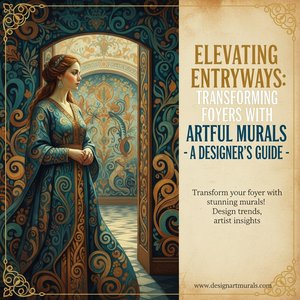
Elevating Entryways: Transforming Foyers with Artful Murals - A Designer's Guide
Transform your foyer with stunning murals! Explore design trends, artist insights & expert advice for creating a memorable entryway. Discover custom mural solutions at .

Elevating Interiors: How Murals are Redefining Kitchens and Bathrooms
Transform your kitchen & bathroom with stunning murals! Explore design trends, durable materials & expert advice. Elevate your interiors with ArtsDot.com's bespoke mural solutions.

브랜드 정체성 구축과 고객 경험 향상을 위한 맞춤형 벽화의 힘: 시각적 스토리텔링을 통한 공간 디자인 전략
호텔 디자인의 새로운 지평을 열다! 브랜드 스토리텔링과 고객 경험 극대화를 위한 맞춤형 벽화 전략을 제시합니다. 전문가 컨설팅부터 친환경 제작까지, 공간의 가치를 높이는 모든 솔루션을 ArtsDot에서 만나보세요.