

 미리보기
미리보기
 공유하기
공유하기 공유하기
공유하기
 상세 정보
상세 정보 가이드 보기

 다운로드
다운로드
 유사 작품 더 보기
 X-레이
X-레이 슬라이드 쇼 보기
 질의응답
질의응답 통계 정보
통계 정보Crucifixion


 더 보기
더 보기
지클레 / 아트 프린트
빠른 제작과 다양한 마감 옵션을 제공하는 박물관 수준의 지클레이 및 캔버스 프린트. ( 수작업 채색 복제본 주문하기 디지털 이미지로 전환)




P118B ₩10

P118H ₩10

P118W ₩10

P438Z ₩10

P508JH ₩12

P508YH ₩12

P805H ₩10

P805Z ₩10

P919BZ ₩10

P919G ₩10

P919XJ ₩10

P959ZH ₩10

P968JZ ₩12

W106C ₩8

W218G ₩10

W218JH ₩8

W218Y ₩10

W307PJ ₩10

W316G ₩10

W316PJ ₩8

W316Y ₩10

W398PJ ₩8

W4111J ₩10

W500HY ₩15

W500JH ₩15

W692G ₩12

W849H ₩8

W940BG ₩15

W953PJ ₩8




작품의 원본 비율을 그대로 유지하는 프리셋 사이즈 중에서 선택해 보세요.

액자나 벽면 크기에 맞춰 필요한 가로와 세로 길이를 입력해 주세요. 프린트는 원본 이미지보다 크게 제작할 수 없으며 오직 자르는 것만 가능하므로, 비율이 다른 사이즈를 선택할 경우 이미지의 일부가 잘려 나갈 수 있습니다. 인쇄 작업에 들어가기 전, 최종 확인을 위해 디지털 목업을 보내드립니다. 이 페이지에 표시된 이미지는 실제 잘리는 영역을 나타내지 않으며, 오직 목업을 통해서만 정확한 확인이 가능합니다.


 유리 옵션은 110cm 미만 크기에서만 선택 가능합니다.

Crucifixion
지클레 / 아트 프린트
복제본 크기
-


최종 결제 금액
₩ 84479
The Weight of Sorrow: Simon Vouet’s ‘Crucifixion’
Simon Vouet's “Crucifixion,” painted around 1622, isn’t merely a depiction of a pivotal biblical event; it’s an immersion into profound grief and spiritual contemplation. This masterpiece, rendered in the burgeoning Baroque style that Vouet championed upon his return to France from Italy, transcends simple representation, aiming instead to evoke a visceral emotional response within the viewer. The painting immediately commands attention with its dramatic chiaroscuro – a masterful manipulation of light and shadow – which sculpts Christ’s body, emphasizing both its suffering and inherent divinity. It's a technique deeply indebted to Caravaggio, yet Vouet elevates it, imbuing the scene with an almost unbearable intensity.
The composition itself is carefully orchestrated. Christ, centrally positioned on the stark wooden cross, dominates the visual field, his posture conveying both agony and acceptance. Below him, a constellation of figures – Mary, her face etched with sorrow; John the Apostle, rendered in a state of bewildered grief; and other mourners – collectively amplify the sense of loss. Vouet skillfully employs pyramidal structure, drawing the eye upwards to Christ’s figure while simultaneously anchoring it within this sea of mourning. The use of diagonals, particularly in the drapery and the figures' postures, creates a dynamic tension that mirrors the emotional turmoil at the heart of the scene.
A Bridge Between Italy and France
Vouet’s journey to Rome represents a crucial turning point in his artistic development. During his decade-long sojourn in Italy, he absorbed the innovations of the High Renaissance and early Baroque – the dramatic lighting, the emotional intensity, and the dynamic compositions championed by artists like Caravaggio, Annibale Carracci, and Guido Reni. He meticulously studied their techniques, not simply copying them, but adapting them to his own sensibilities and incorporating them into a distinctly French style. His time in Venice, particularly, exposed him to Venetian color palettes and compositional strategies that profoundly influenced his work.
Returning to France in 1627, Vouet was immediately appointed Premier peintre du Roi by Louis XIII. This prestigious position afforded him unprecedented access to royal commissions, allowing him to shape the artistic landscape of the court and introduce the Baroque aesthetic to a wider audience. He wasn’t just painting for royalty; he was actively translating Italian artistic trends into a distinctly French idiom, bridging the gap between two cultures and establishing a new standard for visual art in France.
Symbolism and Spiritual Resonance
Beyond its technical brilliance, “Crucifixion” is rich with symbolic meaning. The crucifixion itself represents sacrifice, redemption, and the ultimate act of divine love – core tenets of Christian faith. The weeping figures embody humanity’s sorrow in response to this profound loss. Mary's grief is particularly poignant, reflecting not only her personal tragedy but also the suffering of all humankind. The dark, stormy sky serves as a backdrop for this drama, symbolizing despair and impending doom.
Furthermore, the painting subtly references classical iconography. Christ’s posture echoes depictions of Roman martyrs, connecting his sacrifice to a broader tradition of heroic endurance. The careful attention to detail – from the texture of Christ's skin to the folds of the drapery – elevates the scene beyond mere illustration, transforming it into a powerful meditation on faith, suffering, and hope.
A Legacy in Oil and Emotion
Created primarily with oil paints on canvas, “Crucifixion” demonstrates Vouet’s mastery of technique. He employed layering glazes to achieve rich colors and luminous effects, while utilizing meticulous brushwork to capture the nuances of texture – the rough grain of the wood, the flowing fabric, and the delicate contours of human faces. The painting's enduring appeal lies not only in its aesthetic beauty but also in its ability to evoke a profound emotional response. It’s a testament to Vouet’s skill as an artist and his deep understanding of the power of visual storytelling – a work that continues to resonate with viewers centuries after its creation.
질의응답
시몽 부베의 "Crucifixion"에는 어떤 모습이 담겨 있나요?
시몽 부베의 "Crucifixion"에 담긴 주제: crucifixion scene, religious suffering, baroque drama, mary and john, divine sacrifice, emotional art, 17th century faith
"Crucifixion"의 Baroque 양식에는 어떤 정서적 어조가 담겨 있나요?
"Crucifixion"의 Melancholic한 정서는 Baroque 양식과 조화를 이룹니다.
시몽 부베의 "Crucifixion"의 저작권 상태는 어떻게 되나요?
시몽 부베의 "Crucifixion"은(는) 퍼블릭 도메인 - 저작권 보호 기간이 만료되었습니다 상태입니다. 저작권 보호 기간은 작가가 사망한 1649년부터 기산됩니다.
유사한 작품들


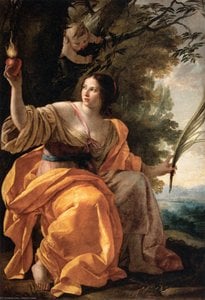


작가 정보
시몽 부아: 프랑스 바로크 회화의 선구자
- 출생: 1590년 1월 9일, 프랑스 파리
- 사망: 1649년 6월 30일, 프랑스 파리
시몽 부아는 프랑스 회화가 매너리즘에서 바로크 양식으로 전환하는 과정에서 결정적인 역할을 한 인물입니다. 화가였던 아버지 로랑과 예술을 추구했던 형 오뱅의 품 안에서 태어난 부아는 일찍부터 훈련을 받았으며, 이는 그의 미래 성공의 토대가 되었습니다. 그의 손자인 루도비코 도리니는 가문의 예술적 유산을 이어갔습니다.
초기 경력과 이탈리아의 영향 (1608-1627)
- 초기 초상화: 부아는 초상화가로 경력을 시작하며 초기 재능을 보여주었습니다.
- 영국 여행 (1608): 겨우 14세의 나이로 영국에 건너가 의뢰받은 초상화를 그리며 떠오르는 명성을 과시했습니다.
- 오스만 제국과 베네치아: 1611년, 부아는 오스만 제국 주재 프랑스 대사였던 드 생시 남작의 수행단에 합류하여 다시 초상화 작업을 했습니다. 이 여정은 그를 콘스탄티노플을 거쳐 1612년 베네치아까지 데려갔습니다.
- 로마 (1614-1627): 로마에서의 시간은 변혁적이었습니다. 그는 이곳에 13년간 머물며 떠오르는 바로크 시대의 활기찬 예술 현장에 깊이 몰입했습니다.
이탈리아 체류 기간 동안 부아는 다채로운 영향들을 흡수했습니다. 그는 카라바조가 개척한 극적인 명암 대비 기법을 연구했고, 이탈리아 매너리즘의 요소들을 받아들였으며, 파올로 베로네세가 사용한 색상 팔레트와 di sotto in su(투시 원근법)를 세밀하게 분석했습니다. 또한 카라치, 구에르치노, 란프랑코, 그리고 귀도 레니의 작품들로부터 영감을 얻어 이 다양한 스타일들을 독특한 예술적 비전으로 종합해냈습니다.
부아 특유의 양식 발전
- 산 루카 아카데미 승인 (1624): 로마에서의 성공은 그가 권위 있는 산 루카 아카데미의 회장으로 선출되는 결실로 이어졌으며, 이는 이탈리아 미술계에서 그의 기량과 인정을 입증하는 것이었습니다.
- 영향의 종합: 부아의 스타일은 다양한 예술적 영향들을 흡수하고 정수화하는 능력으로 특징지어집니다. 그는 단순히 모방하지 않았습니다. 오히려 이러한 요소들을 응집력 있고 뚜렷하게 이탈리아적인 바로크 미학 속에 통합시켰습니다.
- 프랑스로의 바로크 도입: 1627년 프랑스에 돌아온 부아는 이탈리아 바로크 양식을 프랑스 회화에 소개하는 데 결정적인 역할을 했으며, 이는 국가의 예술 지형에 중대한 영향을 미쳤습니다.
주요 업적과 유산
- 왕실의 첫 화가 (Premier Peintre du Roi): 부아는 Premier peintre du Roi(국왕의 첫 화가)라는, 상당한 위신과 영향력을 지닌 직책에 임명되었습니다.
- 활발했던 작업실: 그는 크고 활발한 작업실을 유지하며 수많은 예술가들을 훈련시켰고, 이들이 이후 프랑스 화가 세대를 형성하는 데 기여했습니다.
- 주요 제자들: 그의 가장 영향력 있는 제자들로는 샤를 르 브륄(나중에 베르사유의 모든 장식 회화를 조직함), 발랑탱 드 부로뉴, 샤를 알퐁스 뒤 프레노이, 피에르 미냐르, 유스타슈 르 수르, 클로드 멜랑 등이 있습니다.
- 프랑스 미술에 미친 영향: 부아의 영향력은 자신의 작품을 넘어 확장되었습니다. 그의 제자들은 그의 양식과 기법을 프랑스 전역으로 전파하며 독특하게 바로크적인 회화 학파를 확립했습니다. 특히 루이 14세가 의뢰한 장대한 장식 구상에서 그의 영향력이 두드러지게 나타납니다.
역사적 중요성
시몽 부아의 유산은 이탈리아와 프랑스 예술을 잇는 핵심적인 다리 역할을 했다는 점에서 빛납니다. 그는 이탈리아 바로크의 역동성과 장엄함을 성공적으로 수입하여, 그것을 프랑스 궁정과 귀족들의 취향에 공명하는 양식으로 변모시켰습니다. 그의 영향력은 17세기 프랑스 회화 발달 과정에서 부인할 수 없으며, 오늘날까지도 미술사학자들에게 인정받고 있습니다.

시몽 부베
1590 - 1649 , 프랑스
작가 정보 요약
- Artistic Movement Or Style: 바로크 회화
- Artists Or Movements Influenced By This Artist:
- 샤를 르 브륄
- 발랑탱 드 불로뉴
- 프랑스 바로크 회화
- Artists Who Influenced This Artist:
- 카라바조
- 파올로 베로네세
- 카라치
- 구에르치노
- 란프란코
- 귀도 레니
- Date Of Birth: 1590년 1월 9일
- Date Of Death: 1649년 6월 30일
- Full Name: 시몽 부베
- Nationality: 프랑스
- Place Of Birth: 파리, 프랑스
관련 콘텐츠

Theatricality & Triumph: Baroque Drama in Painting & Sculpture
Explore the dramatic world of Baroque art! Discover its history, defining characteristics, & lasting influence on painting & sculpture. Expert insights into Caravaggio, Zurbarán, and Bernini – plus high-quality reproductions at ArtsDot.

바로크의 드라마: 현대 인테리어에 풍요로움과 감동을 불어넣기
바로크 예술의 풍요로운 세계를 탐험하고, 현대 인테리어에 감동을 불어넣는 방법을 ArtsDot에서 만나보세요. 카라바조, 렘브란트 등 거장들의 작품과 키아로스쿠로 기법 활용 노하우를 공개합니다.

The Dramatic Flourish: Exploring the Baroque Movement's Enduring Legacy in Art History
Explore the dramatic world of Baroque art! Discover iconic artists like Caravaggio & Rubens, defining techniques, and its lasting impact on art history. Expert insights for collectors & enthusiasts at ArtsDot.

화려함 속에 감춰진 진실! 바로크 미술을 정의한 10대 걸작 탐구
화려함과 극적인 표현이 압권! 바로크 미술을 대표하는 10대 걸작의 숨겨진 이야기를 만나보세요. 베르니니, 루벤스 등 거장의 작품부터 바로크 색감, 예술적 기법까지 – ArtsDot.com에서 명품 복제 & 인테리어 영감을 얻으세요! 지금 바로 컬렉션을 탐험해보세요.

Simon Vouet: A Baroque Master's Journey from Italian Influence to French Classicism
Explore the life & art of Simon Vouet, a pivotal French Baroque painter who introduced Italian styles to France. Discover his masterpieces and lasting influence on 17th-century art.

