


 미리보기
미리보기
 공유하기
공유하기 공유하기
공유하기
 상세 정보
상세 정보

 다운로드
다운로드
 유사 작품
유사 작품 X-레이
X-레이 슬라이드 쇼
 Stats
StatsVenus reclining with Cupid

 더 보기
더 보기
수제 유화 복제품
원하는 크기와 액자로 주문 제작되는, 작가들이 직접 캔버스에 손으로 그린 유화 작품입니다. ( Switch to Print Switch to Digital Image)




P118B $10

P118H $10

P118W $10

P438Z $10

P508JH $12

P508YH $12

P805H $10

P805Z $10

P919BZ $10

P919G $10

P919XJ $10

P959ZH $10

P968JZ $12

W106C $8

W218G $10

W218JH $8

W218Y $10

W307PJ $10

W316G $10

W316PJ $8

W316Y $10

W398PJ $8

W4111J $10

W500HY $15

W500JH $15

W692G $12

W849H $8

W940BG $15

W953PJ $8




작품의 원본 비율을 유지하는 미리 설정된 크기 중에서 선택하세요.

특정 프레임이나 공간에 맞도록 직접 크기를 입력할 수 있습니다. 선택하신 크기가 원본 이미지의 비율과 일치하지 않는 경우, 작품을 자르거나 추가적인 손으로 그린 요소를 사용하여 그림을 확장합니다. 제작 시작 전 승인을 위해 디지털 목업을 보내드립니다.
화면 미리 보기는 실제 자르기 또는 확장을 반영하지 않습니다. 최종 구성은 목업을 통해서만 정확하게 확인하실 수 있습니다.
맞춤 크기 제작도 가능하지만, 원본 비율을 유지하기 위해 사전 정의된 목록에서 크기를 선택하시는 것을 권장합니다.
주문 후 ArtsDot.com 팀에서 상세 안내를 위해 고객님께 이메일을 보내드리며, 미리보기 시안을 제공해 드립니다.


 유리 옵션은 110cm 미만 크기에서만 선택 가능합니다.

Venus reclining with Cupid
재현 기법
복제본 크기
-


최종 결제 금액
$ 263
A Glimpse Into Botticelli’s Dreamscape: Venus Reclining with Cupid
Botticelli's *Venus reclining with Cupid* isn’t merely a depiction of beauty; it’s an embodiment of Renaissance ideals—grace, harmony, and the revival of classical mythology. Painted around 1485 during Florence’s golden age under Lorenzo de Medici, this masterpiece transcends its visual splendor to offer profound insights into humanist thought and artistic innovation. The painting captures a moment of serene contemplation, juxtaposed with playful eroticism, reflecting the burgeoning interest in human emotion and sensual experience that characterized the era.- Subject Matter: The scene portrays Venus—the goddess of love and fertility—lying on her side in a lush meadow, attended by Cupid, Eros, the god of desire. This pairing harkens back to Homer’s *Odyssey*, where Venus and Cupid intervened to aid Odysseus's return home after ten years at sea. Botticelli skillfully captures the mythological narrative, elevating it beyond mere storytelling into an exploration of fundamental human themes.
- Style: Botticelli’s style is instantly recognizable—characterized by delicate lines, soft colors, and a stylized realism that prioritizes elegance over anatomical accuracy. He eschews the detailed musculature favored by earlier Renaissance artists like Leonardo da Vinci, opting instead for flowing drapery and graceful poses that convey an ethereal quality. This deliberate simplification aligns with humanist principles that sought to recapture the idealized beauty of antiquity.
- Technique: Botticelli employed tempera on canvas—a technique known for its luminosity and durability—to achieve a breathtaking visual effect. Tempera pigments bind to the surface without solvents, resulting in vibrant colors and subtle gradations that capture the nuances of light and shadow. The meticulous layering of paint contributes to the painting’s textural richness and enhances its overall impression of serenity.
Symbolism: Echoes of Classical Ideals
The composition is laden with symbolic significance, reflecting Botticelli's engagement with classical mythology and humanist philosophy. Venus’s reclining posture symbolizes femininity, receptivity, and the nurturing power of motherhood—concepts central to Renaissance conceptions of womanhood. Cupid’s presence underscores the role of desire in human relationships and reinforces the painting’s erotic undertones. The meadow setting evokes pastoral tranquility and represents Edenic paradise—a deliberate allusion to the biblical Garden of Eden, symbolizing innocence and divine grace. Furthermore, the birds scattered throughout the scene symbolize joy, fertility, and renewal—affirming the optimistic outlook prevalent during the Renaissance.Emotional Impact: A Meditation on Beauty and Desire
Botticelli’s *Venus reclining with Cupid* transcends mere visual representation to evoke a profound emotional response in the viewer. The painting's serene atmosphere invites contemplation and celebrates the sublime beauty of nature—a hallmark of Renaissance art that sought to inspire awe and wonder. Simultaneously, the depiction of Venus and Cupid stimulates sensual desire and explores the complexities of human emotion. It’s a testament to Botticelli’s ability to capture not only physical appearance but also psychological states—creating an artwork that resonates with viewers across centuries. The painting speaks to our innate fascination with beauty, love, and the pursuit of happiness—themes that continue to captivate audiences today.Legacy: Inspiration for Generations
Botticelli’s *Venus reclining with Cupid* stands as a cornerstone of Renaissance art history and continues to inspire artists and designers alike. Its influence can be seen in countless subsequent depictions of Venus—from paintings by Titian and Rubens to sculptures by Michelangelo—demonstrating its enduring appeal and artistic significance. The painting's ethereal beauty, harmonious composition, and masterful technique exemplify the ideals of elegance and refinement that defined the Renaissance—solidifying Botticelli’s place as one of the most celebrated artists of his time. Its timeless message—a celebration of love, beauty, and harmony—remains powerfully relevant in contemporary culture.유사한 작품들


작가 약력
산드로 보티첼리: 르네상스의 우아한 선율
산드로 보티첼리는 15세기 플로렌스에서 빛나는 예술가였습니다. 그의 본명은 알레산드로 디 마리아노 필리페피였지만, 아버지의 직업과 관련하여 ‘보티첼리’라는 애칭으로 더 잘 알려졌습니다. 그는 초기 르네상스 시대에 활동하며, 종교적인 주제뿐만 아니라 고대 신화와 서사시를 아름다운 그림으로 표현했습니다. 보티첼리의 삶은 플로렌스의 예술적, 사회적 중심부에서 깊이 뿌리내리고 있었으며, 그의 작품들은 당시의 문화적 번영과 인간주의 사상의 영향을 짙게 반영하고 있습니다. 그는 단순한 화가가 아니라, 시대정신을 담아낸 시인이자 아름다움을 추구하는 철학자였습니다.예술가로서의 성장과 초기 작품
보티첼리는 어린 시절부터 그림에 재능을 보였으며, 금세공 기술을 배우는 것으로 시작하여 프라 필리포 리피에게 사사하며 본격적인 화가의 길을 걷게 되었습니다. 리피의 가르침은 그의 예술적 기반을 다지는 데 중요한 역할을 했지만, 그는 곧 안토니오 델 폴라이올로와 안드레아 델 베로키오의 작품들을 연구하며 자신만의 독특한 스타일을 발전시켜 나갔습니다. 초기에는 주로 종교적인 주제를 다루었으며, 특히 마돈나와 아기의 그림들은 그의 섬세하고 우아한 선과 부드러운 색채 감각을 잘 보여줍니다. ‘마리아 숭배’는 그의 초기 작품 중 중요한 위치를 차지하며, 당시 플로렌스 미술의 특징인 원근법과 인물 표현에 대한 깊이 있는 이해를 엿볼 수 있게 합니다. 이러한 작품들은 메디치 가문과 같은 귀족들의 후원을 받으며 제작되었고, 보티첼리의 명성을 높이는 데 기여했습니다.신화와 아름다움의 재해석: 걸작 탄생
보티첼리는 고대 그리스 로마 신화를 자신만의 방식으로 해석하며 르네상스 미술에 새로운 경지를 열었습니다. 그의 대표작인 ‘비너스의 탄생’은 단순한 신화 속 인물의 표현을 넘어, 이상적인 아름다움과 인간의 정신적 가치를 상징하는 걸작으로 평가받고 있습니다. 이 작품에서 보티첼리는 섬세한 선과 부드러운 색채를 사용하여 비너스를 묘사하며, 그녀의 우아함과 신비로움을 극대화했습니다. 또 다른 대표작인 ‘봄’은 다산과 풍요를 상징하는 아름다운 여성들의 모습을 담고 있으며, 고대 신화 속 인물들을 현대적인 감각으로 재해석하여 당시 미술계에 큰 반향을 일으켰습니다. 이러한 작품들은 보티첼리가 단순한 화가를 넘어, 철학적 사유와 예술적 영감을 결합한 거장임을 증명합니다.예술적 변화와 후기 작품
15세기 말, 프란체스코 카라라의 설교로 인해 플로렌스 사회는 종교적인 열정으로 들끓었고, 보티첼리의 작품에도 영향을 미쳤습니다. 그는 이전보다 더욱 엄격하고 영적인 주제를 다루기 시작했으며, 그의 그림들은 이전의 화려함과 우아함에서 벗어나 더욱 절제되고 심오한 분위기를 자아냅니다. ‘신성한 탄생’은 이러한 변화를 잘 보여주는 작품으로, 이전과는 다른 어두운 색채와 강렬한 감정 표현이 돋보입니다. 그러나 이러한 변화는 비판을 받기도 했으며, 그의 후기 작품들은 당시 미술계의 주류에서 벗어난 것으로 평가받았습니다.르네상스 유산과 현대적 의미
보티첼리는 생전에 큰 명성을 얻었지만, 이후 그의 작품은 잊혀졌다가 19세기 프리 라파엘리테 연맹을 통해 재평가되기 시작했습니다. 이들은 보티첼리의 우아한 선과 섬세한 표현에 매료되었으며, 그의 작품들을 다시 세상에 알리는 데 기여했습니다. 오늘날 보티첼리는 초기 르네상스 미술의 대표적인 거장으로 인정받고 있으며, 그의 작품들은 전 세계 주요 미술관에 전시되어 수많은 사람들에게 감동을 선사하고 있습니다. 그는 단순한 아름다움을 넘어, 인간의 정신과 영혼을 탐구하는 예술가였으며, 그의 유산은 오늘날까지도 우리에게 깊은 영감을 주고 있습니다.주요 작품
- 비너스의 탄생
- 봄
- 마리아 숭배
- 신성한 탄생

산드로 보티첼리
1445 - 1510 , 이탈리아
주요 정보
- 국적: 이탈리아인
- 대표 작품:
- 비너스의 탄생
- 봄 (Primavera)
- 마술의 강림
- 현명한 처녀와 어리석은 처녀
- 사망일: 1510년 5월 17일
- 영향을 받은 예술 사조: ['프래 랩하이얼 운동']
- 영향을 준 예술가:
- 프라 필립포 리피
- 파올로 우첼로
- 프라 안젤리카
- 예술 사조: 초기 르네상스
- 전체 이름: 산드로 보티첼리 (Alessandro Filipepi)
- 출생일: 약 1445년 3월 1일
- 출생지: 피렌체, 이탈리아
관련 기사 더 보기

Tempera's Timeless Legacy: 10 Masterpieces That Revolutionized Art | ArtsDot
Journey through 10 legendary tempera on panel masterpieces by Giotto, Duccio & Botticelli. Explore the history, symbolism & enduring beauty of these iconic artworks. Find museum-quality reproductions for your home at ArtsDot.com.
The Enduring Allure of Marble in Art History: From Classical Sculpture to Modern Abstraction
Explore the captivating history of marble sculpture from ancient Greece to modern art. Discover renowned artists like Canova & Michelangelo, carving techniques, and investment insights at ArtsDot.

Bronze Sculptures That Defined Art History | ArtsDot
Journey through art history with our Top 10 bronze sculptures! Explore masterpieces by Rodin, Michelangelo & more. Discover stories behind iconic statues and find museum-quality reproductions for your home decor at ArtsDot.com.
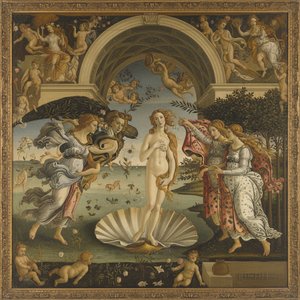
보티첼리 명작 25선: 르네상스 거장의 아름다움과 이야기 | ArtsDot
보티첼리 명작 25선을 만나보세요. 르네상스 시대의 아름다움과 신화가 담긴 작품들을 감상하고, 베누스의 탄생부터 봄까지 거장의 예술 세계를 탐험하세요. ArtsDot에서 고품질 미술 복제 및 인테리어 액자를 만나보실 수 있습니다. 지금 바로 컬렉션을 확인하세요!

The Enduring Form: Exploring Themes & Techniques in Sculpture Across Historical Periods
Explore the rich history of sculpture from ancient masterpieces to contemporary innovations. Discover key techniques, influential artists & investment potential for discerning art collectors.


