


선택하신 옵션에 따른 작품 정보입니다: , .
작가 프로필
Explore Samuel Williamson’s evocative landscapes & seascapes! Capturing rural life & dramatic scenes from the 19th century, his art reflects a keen eye for detail.
 더 보기
더 보기
핸드메이드 유화 복제화
작가가 직접 캔버스에 손으로 그린 유화 작품으로, 원하는 크기와 액자로 맞춤 제작해 드립니다. ( 프린트 판매로 전환 디지털 이미지로 전환)
이 작품에 대해 더 알아보기
 미리보기
미리보기
 공유하기
공유하기 공유하기
공유하기
 상세 정보
상세 정보 가이드 보기

 다운로드
다운로드
 유사 작품 더 보기
 X-레이
X-레이 슬라이드 쇼 보기
 질의응답
질의응답 통계 정보
통계 정보단 네 단계로 완성되는 간편한 작품 주문 방법
천천히 진행하셔도 좋습니다. 답변은 언제든 변경할 수 있으며, 선택 사항에 따라 주문 카드 내의 가격이 실시간으로 반영됩니다.
1 4단계 중 1단계
원하시는 사이즈를 선택해 주세요.
이 사이즈들은 원작의 비율을 그대로 유지합니다. 그림 속 예시는 2미터 길이의 소파 위 벽면에 선택하신 작품을 배치했을 때의 모습입니다.
또는 직접 치수 입력하기
작품의 원본 비율을 그대로 유지하는 프리셋 사이즈 중에서 선택해 보세요.

액자나 벽면 크기에 맞춰 필요한 가로와 세로 길이를 입력해 주세요. 본 작품은 수작업으로 제작되므로, 요청하신 비율에 따라 작가가 그림의 가장자리를 조금 더 넓게 그리거나 일부를 조정하여 작업할 수 있습니다. 작업 시작 전, 최종 확인을 위해 디지털 목업 이미지를 보내드립니다. 이 페이지에 표시된 이미지는 실제 결과물과 다를 수 있으며, 오직 목업 이미지만이 정확한 결과물을 보여줍니다.
2 4단계 중 2단계
어떤 방식으로 준비해 드릴까요: 롤 형태로, 캔버스에 씌워서, 또는 액자에 넣어?
아래 가격은 첫 번째 단계에서 선택하신 크기를 기준으로 합니다.
캔버스 옆면 스타일 선택
프레임을 선택하세요

화이트 테두리 ₩1

블러사이드 ₩1

옆면 확장형 ₩1

P118B ₩10

P118H ₩10

P118W ₩10

P438Z ₩10

P508JH ₩12

P508YH ₩12

P805H ₩10

P805Z ₩10

P919BZ ₩10

P919G ₩10

P919XJ ₩10

P959ZH ₩10

P968JZ ₩12

W106C ₩8

W218G ₩10

W218JH ₩8

W218Y ₩10

W307PJ ₩10

W316G ₩10

W316PJ ₩8

W316Y ₩10

W398PJ ₩8

W4111J ₩10

W500HY ₩15

W500JH ₩15

W692G ₩12

W849H ₩8

W940BG ₩15

W953PJ ₩8

H24-GOLD ₩30

H24-SILVER ₩30

H36-GOLD ₩45

H36-SILVER ₩45
액자형
몰딩: . 액자 포함 전체 크기: .
3 4단계 중 3단계
그림에서 변경하고 싶은 부분이 있으신가요?
대부분의 사람들은 아니라고 답합니다. 모든 작품은 수작업으로 제작되기에, 저희 작가는 고객님의 요청에 맞춰 작품을 변경해 드릴 수도 있습니다.
주문 완료 후, ArtsDot.com 팀에서 상세 안내를 위해 고객님께 이메일을 보내드리며, 시안 미리보기를 제공해 드립니다.
4 4단계 중 4단계
몇 가지 마감 옵션
모두 선택 사항입니다. 이미 선택된 답변에 대해서는 추가 비용이 발생하지 않습니다.
작가는 누구인가요?
박물관에 있는 것과 같은 명판을 원하시나요?
동판 각인 상세 정보
This elegant plaque features the artist's name and the title of the artwork, finely engraved for a timeless presentation.
It is made from bronze with a refined, elegant finish. The text is precisely laser-engraved for a sharp and permanent result. Measuring 9x2 cm, the plaque is compact yet easy to read. It's built to be durable and scratch-resistant, offering a professional, museum-quality look. Mounting is simple thanks to the included adhesive backing.
투명 아크릴 명판 상세 정보
The plaque includes essential engraved details such as the artist's name, the title of the artwork, the date it was created, the type of media used-like oil on canvas or watercolor-a brief description of the piece, and a QR code that links to the complete artwork information.
It is crafted from clear acrylic, offering a sleek, modern appearance. The text is UV-engraved in black to ensure strong visual contrast. With a size of 10x15 cm, it ensures optimal readability. It comes equipped with two metal hooks for secure wall mounting. The plaque is designed to be weather-resistant, making it suitable for various environments, and it includes interactive features that work seamlessly with smartphone scanning.
블랙 아크릴 명판 상세 정보
This elegant plaque includes engraved information such as the artist's name, the title of the artwork, the date it was created, the type of media used (like oil on canvas or watercolor), a short description of the artwork, and a QR code for quick access to more information.
The plaque itself is made from refined black acrylic with a premium finish. The text is laser-engraved in white for high contrast and readability. Its size is 10x15 cm, designed to be easy to read. It comes with two metal hooks for professional mounting. The design is sleek and fits any interior style. It is also weather-resistant and durable, with built-in digital integration for mobile compatibility.
보호용 바니시를 선택하시겠습니까?
언제 받기를 원하시나요?
✓ 확인 및 주문하기
주문하신 그대로의 작품

Landscape
재현 기법
복제본 크기
-

엄선된 시니어 아티스트
더욱 세밀한 묘사와 정교함, 그리고 충분한 제작 시간
-

복제화 액자 구성
-
-
가로 또는 세로 중 어느 한 면이라도 105cm(약 41인치)를 초과하는 작품이나 복제화의 경우, 프레임은 분해된 키트 형태로 배송됩니다. 이는 안전한 배송을 보장하고 운송 중 발생할 수 있는 손상을 방지하기 위함입니다.
전문가 조립 권장 - 본 제품은 DIY용이 아닙니다.
해당 키트는 숙련된 전문 프레임 제작자가 목공용 풀(별도 구매), 캔버스 스트레칭 플라이어 및 풀이 마르는 동안 나무 틀의 수평을 유지할 클램프를 사용하여 캔버스를 팽팽하게 고정하고 조립해야 합니다. 잘못된 조립이나 불균형한 캔버스 장력은 작품에 영구적인 손상을 입힐 수 있으며, 이로 인한 손상은 보증 범위에 포함되지 않습니다.
 가로 또는 세로 중 어느 한 면이라도 105cm(약 41인치)를 초과하는 작품이나 복제화의 경우, 프레임은 분해된 키트 형태로 배송됩니다. 이는 안전한 배송을 보장하고 운송 중 발생할 수 있는 손상을 방지하기 위함입니다.
모든 원목 부재가 포함되어 있으며, 조립에 딱 맞게 정밀하게 재단되었습니다.
제공된 나사와 함께, 별도로 준비해야 하는 모서리 접합부용 목공용 풀을 사용하여 조립합니다. (목공용 풀은 포함되어 있지 않으므로 제작자께서 직접 준비해 주셔야 합니다.)
전문가용 도구가 필요하며 키트에 포함되어 있지 않습니다: 캔버스 스트레칭 플라이어(텐셔너)와 접착제가 마르는 동안 나무 틀의 수평을 유지하기 위한 클램프가 필요합니다.
주의사항:
모서리 접합부에는 목공용 풀이 필요하며, 풀이 완전히 마를 때까지 클램프로 바(bar)를 고정해야 합니다. 또한 조립된 프레임에 캔버스를 팽팽하게 당기려면 캔버스 스트레칭 플라이어가 필요합니다. 이 제품들 중 어느 것도 키트에 포함되어 있지 않습니다. 이 사이즈를 주문하시기 전에 숙련된 전문 액자 제작업체를 미리 섭외하시기 바랍니다.

작품 설명문
-
-

보호용 바니시
유광 바니시(색감을 선명하게 하며 빛과 습기로부터 보호함)
-

내 작품 맞춤 설정
변경 가능한 예시: 얼굴을 고객의 사진으로 교체, 반려동물 추가(예: 고양이를 강아지로 변경), 배경에 숨겨진 메시지 삽입, 배경 풍경 또는 요소 변경.
-

빠른 배송
전 세계 배송()은 기존 5주의 표준 기간 대신 3~4주 내에 완료됩니다. (8 11월). 품질에는 어떠한 타협도 하지 않습니다.
-
특급 배송
전 세계 배송(): 약 5주 소요 (15 11월).
포함됨
최종 결제 금액
₩ 352865
유리 옵션은 110cm 미만 크기에서만 선택 가능합니다.
모든 주문에 포함되는 혜택
- 전 세계 무료 특급 배송
- 프리미엄 린넨 캔버스
- 배송 전 과정 보험 적용
- 관세 및 수입세 환급 보장 서비스
- 원본과 동일한 색상 구현 보장
- 100일 이내 반품 정책 (결함 발생 시)
- 100% 환불 보장
- 다량 구매 할인 혜택


유사한 작품들


Samuel Williamson
1792 - 1840
작가 정보
Samuel Williamson: A Visionary of the British Countryside
Samuel Williamson (1792-1840) stands as a quietly significant figure in 19th-century British art, a master of capturing the serene beauty and subtle drama of rural England. Born in ArtsDot, his journey from humble beginnings to recognition as a landscape painter reflects both an innate artistic talent and a keen observation of the world around him. While not widely celebrated during his lifetime, Williamson’s evocative paintings – particularly his depictions of cattle, rolling hills, and dramatic skies – offer a valuable window into the social and cultural life of Britain during a period of profound transformation.
Williamson's early life remains somewhat shrouded in anecdotal detail. He began his career as an engraver before dedicating himself to painting, influenced by the Romantic movement’s emphasis on emotion, nature, and the sublime. His artistic development was shaped by a fascination with the changing landscape of Britain – the impact of industrialization, the rise of agriculture, and the enduring connection between people and their land. Unlike many of his contemporaries who focused on grand historical scenes or idealized classical subjects, Williamson chose to depict the everyday realities of rural life, imbuing his canvases with a sense of authenticity and quiet dignity.
A Painter of Light and Atmosphere
Williamson’s technique is characterized by a remarkable sensitivity to light and atmosphere. He was particularly adept at capturing the fleeting effects of weather – the golden glow of sunrise, the brooding intensity of a storm cloud, or the soft, diffused light that filters through a misty morning. His brushwork is loose and expressive, conveying a sense of movement and spontaneity. He employed a palette dominated by earthy tones—ochres, browns, greens, and blues—to create a harmonious blend with nature’s colors. A key element in his work is the skillful use of atmospheric perspective, creating depth and distance through subtle variations in color and tone.
His subjects often included cattle – a prominent feature of the British countryside – rendered with remarkable detail and realism. These weren't simply livestock; they were integral to the landscape, embodying the rhythms of rural life and reflecting the economic realities of the time. Williamson’s paintings are not merely topographical representations but also imbued with a sense of narrative—suggesting stories of farmers, shepherds, and the enduring relationship between humans and animals.
Notable Works and Influences
Among Williamson's most celebrated works are “Fishing Boats on the Mersey” (1833) and "Landscape with Cattle" (circa 1830-1840). “Fishing Boats on the Mersey” exemplifies his mastery of capturing the interplay of light and water, while “Landscape with Cattle” showcases his ability to convey a sense of scale and grandeur. These paintings, along with numerous smaller works, are held in collections at institutions like the Victoria and Albert Museum and the Williamson Art Gallery & Museum in Birkenhead.
While Williamson’s artistic style is distinctly his own, he was undoubtedly influenced by the Romantic painters who preceded him – artists such as J.M.W. Turner and John Constable. However, unlike these figures, who often sought to evoke a sense of awe and wonder through dramatic landscapes, Williamson's work possesses a quieter, more contemplative quality. He focused on capturing the subtle beauty of the everyday world, imbuing his paintings with a sense of peace and tranquility.
Legacy and Historical Significance
Despite not achieving widespread fame during his lifetime, Samuel Williamson’s legacy endures through his evocative landscapes and seascapes. His work offers a valuable glimpse into the social and cultural landscape of 19th-century Britain—a period marked by rapid industrialization, agricultural change, and profound shifts in society. His paintings are not simply beautiful images; they are also historical documents, providing insights into the lives and experiences of ordinary people.
Today, Williamson’s art is appreciated for its technical skill, emotional depth, and quiet beauty. His work continues to resonate with viewers who seek a connection with the natural world and an appreciation for the enduring power of landscape painting. The Samuel Williamson Art Gallery in Birkenhead serves as a testament to his contribution to British art history, preserving and showcasing his remarkable body of work for future generations.
관련 콘텐츠

Alfred Worthington: Bridging Victorian Realism & Early Modern Landscape Painting
Explore the captivating landscapes of Alfred Worthington (1834-1927), a pivotal figure bridging Victorian realism & early Impressionism. Discover his Welsh hunting scenes, artistic evolution, and collecting guide.

British Landscapes: The Enduring Spirit of the Countryside in Art and Interior Design
Explore the mastery of British landscape art from Constable to Cartlidge. Discover timeless beauty for your home today.
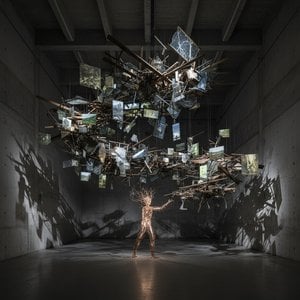
Richard Wilson: Deconstructing Landscape & Memory in Contemporary Installation Art
Explore Richard Wilson's groundbreaking landscape paintings & his enduring influence on contemporary installation art. Discover investment opportunities, provenance insights & the materiality of memory in this expert analysis.