

 미리보기
미리보기
 공유하기
공유하기 공유하기
공유하기
 상세 정보
상세 정보 가이드 보기

 다운로드
다운로드
 유사 작품 더 보기
 X-레이
X-레이 슬라이드 쇼 보기
 질의응답
질의응답 통계 정보
통계 정보Landscape

- 31.0 x 25.0 cm


 더 보기
더 보기
지클레 / 아트 프린트
빠른 제작과 다양한 마감 옵션을 제공하는 박물관 수준의 지클레이 및 캔버스 프린트. ( 수작업 채색 복제본 주문하기 디지털 이미지로 전환)




































작품의 원본 비율을 그대로 유지하는 프리셋 사이즈 중에서 선택해 보세요.

액자나 벽면 크기에 맞춰 필요한 가로와 세로 길이를 입력해 주세요. 프린트는 원본 이미지보다 크게 제작할 수 없으며 오직 자르는 것만 가능하므로, 비율이 다른 사이즈를 선택할 경우 이미지의 일부가 잘려 나갈 수 있습니다. 인쇄 작업에 들어가기 전, 최종 확인을 위해 디지털 목업을 보내드립니다. 이 페이지에 표시된 이미지는 실제 잘리는 영역을 나타내지 않으며, 오직 목업을 통해서만 정확한 확인이 가능합니다.


 유리 옵션은 110cm 미만 크기에서만 선택 가능합니다.

Landscape
지클레 / 아트 프린트
복제본 크기
-


최종 결제 금액
₩ 84360
유사한 작품들


작가 정보
Samuel Hirszenberg: Life and Legacy
Early Life and Education
- Samuel (Shmuel) Hirszenberg was born on February 22, 1865, in Łódź, Poland, the eldest son of a weaving mill worker.
- Despite his father’s disapproval, he pursued his passion for art with financial assistance from a local doctor.
- He began his artistic training at the Academy of Fine Arts in Kraków at age 15, deeply influenced by the realistic style of Jan Matejko.
- From 1885 to 1889, he continued his studies at the Royal Academy of Arts in Munich.
Early Career and Recognition
- His early work, “Jeschibah” (1887), garnered significant attention.
- An exhibition at the Kunstverein Munich (1889) led to a silver medal at an art exhibition in Paris.
- He further honed his skills at the Académie Colarossi in Paris, completing his artistic education.
Return to Poland and Artistic Development
- In 1891, Hirszenberg returned to Poland and settled in Łódź in 1893.
- His early paintings – “Talmudic Studies,” “Sabbath Afternoon,” “Uriel Acosta,” and “The Jewish Cemetery” – initially aligned with the Jewish genre painting tradition of artists like Leopold Horowitz, Isidor Kaufmann, and Maurycy Gottlieb.
- However, his work gradually shifted towards Symbolism, exploring themes of Jewish history and exile.
Major Works and Themes
- His most renowned paintings from this period include “The Wandering Jew” (1899), “Exile” (1904), and “Czarny Sztandar / Black Flag” (1905).
- He spent over four years creating “The Eternal Jew,” exhibited at the Paris Salon in 1900, but was disappointed by its reception.
- His work often depicted themes of suffering, displacement, and Jewish identity.
Later Life and Legacy
- Disheartened by the lack of recognition, Hirszenberg took a year-long trip to Italy in 1901 for health reasons.
- In 1904, he moved to Kraków and immigrated to Palestine in 1907.
- He became a lecturer at the newly founded Bezalel School in Jerusalem, headed by Boris Schatz.
- Sadly, Hirszenberg died in Jerusalem on September 15, 1908, after a brief but intense creative period.
Historical Significance
- Samuel Hirszenberg is recognized as an important figure in Polish-Jewish art, bridging Realism and Symbolism.
- His evocative depictions of Jewish life, history, and exile continue to resonate with audiences today.
- He contributed significantly to the development of early Israeli art through his work at the Bezalel School.

Samuel Hirszenberg
1865 - 1908 , Poland
작가 정보 요약
- Name: Samuel Hirszenberg
- Movement:
- Realism
- Symbolism
- Birth Date: February 22, 1865
- Death Date: September 15, 1908
- Birth Place: Łódź, Poland
- Nationality: Polish-Jewish
- Date Of Birth: 1865
- Date Of Death: 1908
- Influenced By: Jan Matejko
- Notable Works:
- Jeschibah
- The Wandering Jew
- Exile
- Black Flag
- The Sabbath Rest
- Place Of Birth: Lodz, Poland
관련 콘텐츠

폴 세잔 명작 25선: 시대를 초월하는 예술과 공간의 미학 | ArtsDot
폴 세잔의 시대를 초월하는 명작 25점을 만나보세요. 인상주의를 넘어 후기 인상주의를 개척한 화가의 예술 세계와 정물화, 풍경화 속 숨겨진 이야기를 ArtsDot에서 감상하세요. 고품질 아트 프린트와 캔버스 액자로 공간에 예술을 더해보세요! 지금 바로 컬렉션을 탐험하세요.
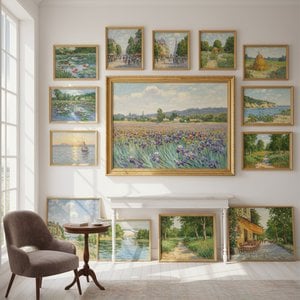
인상주의 풍경화의 황홀한 순간들: 10대 걸작에 담긴 예술혼
인상주의 풍경화의 정수를 담은 10대 걸작! 모네, 르누아르 등 거장의 작품 비하인드 스토리와 예술혼을 만나보세요. ArtsDot에서 고품격 미술 복제 및 인테리어 영감을 얻고, 당신의 공간에 예술적 감성을 더하세요. 지금 바로 ArtsDot.com에서 모든 걸작을 발견해보세요!

Impressionistic Landscapes: 10 Masterpieces That Changed Art & Decor
Journey into the heart of Impressionism! Explore 10 masterpieces by Monet, Renoir & Degas that revolutionized landscape art. Discover their stories, techniques & find museum-quality reproductions to elevate your home decor on ArtsDot.com.

Cultivating Visions: A Historical Journey Through Rural Landscapes in Art
Explore the rich history of rural landscape painting with ArtsDot. Discover Impressionist masterpieces, key artists & movements. Find your perfect serene artwork and bring nature's beauty home.

후기인상주의를 정의한 10대 걸작: 예술과 홈데코의 새로운 영감
후기인상주의를 빛낸 10대 명작! 고흐, 세잔 등 거장의 작품 비하인드 스토리와 예술적 의미를 만나보세요. ArtsDot에서 최고급 미술 복제 및 인테리어 영감을 얻고, 당신의 공간을 예술로 채워보세요. 지금 바로 확인하세요!