
- 홈

- 유화 복제화
- rona pondick
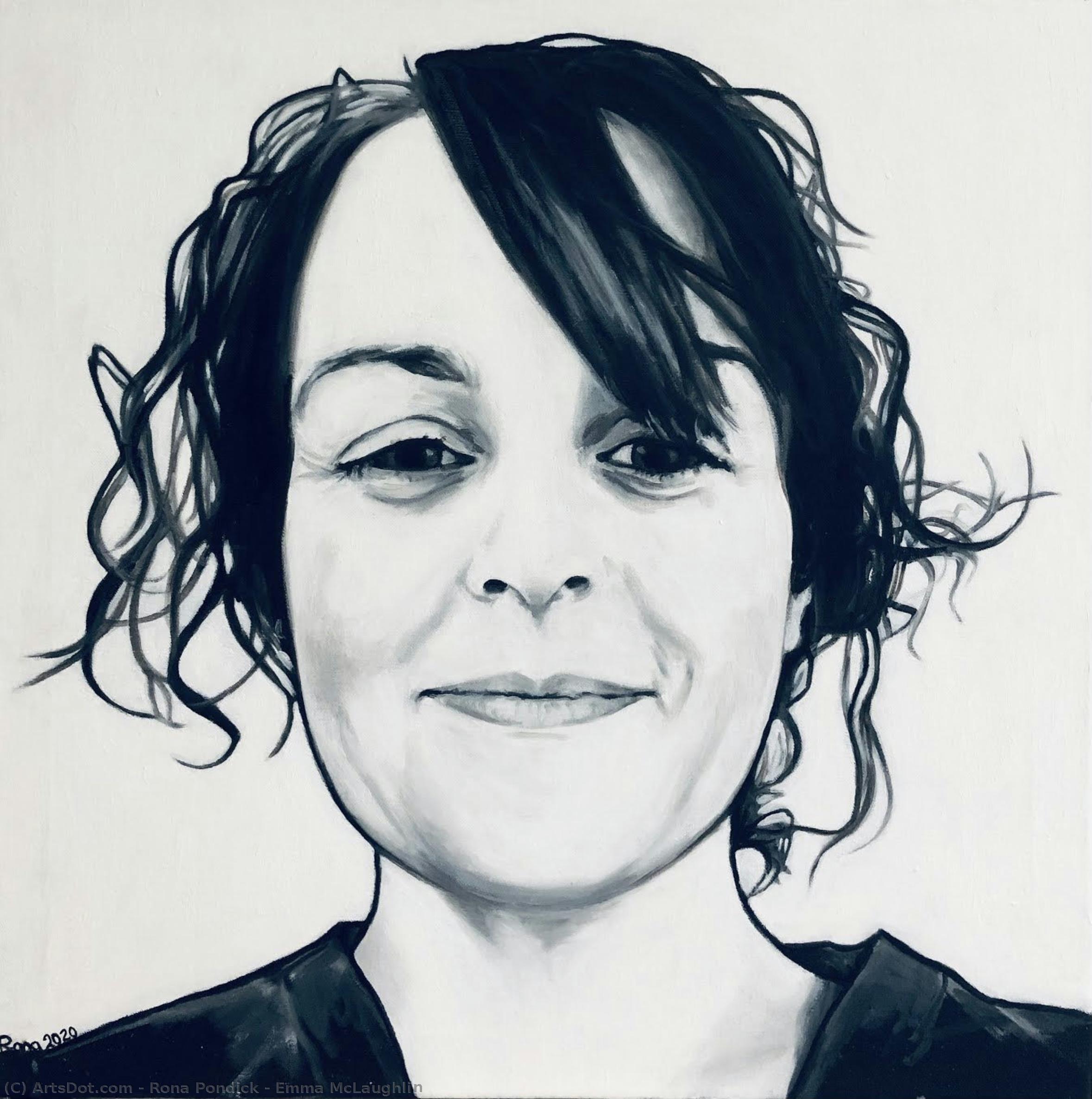
- Emma McLaughlin
 프린트 구매하기
 공유하기
공유하기 공유하기
공유하기
 상세 정보
상세 정보

 다운로드
다운로드
 유사 작품
유사 작품 X-레이
X-레이 슬라이드 쇼
Emma McLaughlin
 2020
2020 61.0 x 61.0 cm
 Paintings in Hospitals
 더 보기
더 보기




































작품의 원본 비율을 유지하는 미리 설정된 크기 중에서 선택하세요.

특정 프레임이나 공간에 맞도록 직접 크기를 입력할 수 있습니다. 선택하신 크기가 원본 이미지의 비율과 일치하지 않는 경우, 작품을 자르거나 추가적인 손으로 그린 요소를 사용하여 그림을 확장합니다. 제작 시작 전 승인을 위해 디지털 목업을 보내드립니다.
화면 미리 보기는 실제 자르기 또는 확장을 반영하지 않습니다. 최종 구성은 목업을 통해서만 정확하게 확인하실 수 있습니다.
맞춤 크기 제작도 가능하지만, 원본 비율을 유지하기 위해 사전 정의된 목록에서 크기를 선택하시는 것을 권장합니다.
주문 후 ArtsDot.com 팀에서 상세 안내를 위해 고객님께 이메일을 보내드리며, 미리보기 시안을 제공해 드립니다.


 유리 옵션은 110cm 미만 크기에서만 선택 가능합니다.

Emma McLaughlin
재현 기법
복제본 크기
-


최종 결제 금액
-
유사한 작품들


작가 약력
Rona Pondick: Sculpting the Fragmented Self
Rona Pondick (born April 18, 1952) is an American sculptor whose work explores themes of metamorphosis and psychological complexity through meticulously crafted hybrid forms—often incorporating casts of her own body alongside historical artifacts. Her artistic journey began in Brooklyn, New York, where she honed her skills at Yale University School of Art, earning her MFA in 1977 and forging a partnership with fellow artist Robert Feintuch that continues to inspire her creative vision. Pondick’s approach distinguishes itself by prioritizing metaphoric resonance alongside formal experimentation, resulting in sculptures that grapple with profound questions about identity and perception. ### Early Influences & Artistic Formation Pondick's formative years were marked by exposure to the avant-garde art scene of New York City during the late 1970s and early 1980s—a period characterized by a fervent interest in challenging conventional artistic boundaries. Her studies under Richard Serra at Yale profoundly impacted her aesthetic sensibilities, fostering an appreciation for monumental scale and sculptural materiality that would become central to her oeuvre. Serra’s emphasis on confronting the viewer with uncomfortable truths about form and space instilled in Pondick a desire to create works that provoke contemplation and disrupt established visual hierarchies. This influence is palpable in her early sculptures—particularly *Beds*, commissioned by the SculptureCenter in 1988—where she repurposed domestic objects into unsettling anatomical representations, reflecting a preoccupation with exploring the human body as both subject and material of artistic inquiry. ### The Language of Form & Material Exploration Pondick’s sculptural practice is fundamentally rooted in her conviction that “My work may look like it changes dramatically in its imagery or its materiality over the years, but my interest in metaphoric and symbolic meaning has remained constant.” She consistently investigates how different materials—stainless steel, resin, wax, dirt—contribute to conveying psychological states and challenging viewers’ assumptions about representation. Her sculptures frequently juxtapose organic forms with inorganic elements—such as casts of her own head encased in transparent blocks—creating a dialogue between the human body and the external world that underscores her fascination with metamorphosis. This technique reflects a broader artistic tradition rooted in mythic hybrids, ranging from Egyptian sphinxes to Greek centaurs, demonstrating Pondick’s commitment to engaging with historical precedents while forging her own distinctive visual language. ### Notable Achievements & Recurring Themes Throughout her prolific career spanning decades, Pondick has garnered recognition for her innovative sculptural explorations and her ability to elicit emotional responses from audiences. Her work has been exhibited internationally at prestigious institutions including the Whitney Museum of American Art, The Metropolitan Museum of Art, and The Guggenheim Museum—solidifying her position as a leading figure in contemporary sculpture. Recurring themes permeate Pondick’s oeuvre—namely, the fragmentation of identity, the tension between organic and inorganic matter, and the exploration of psychological states through symbolic imagery. Her sculptures *Monkeys*, created in 2001 using stainless steel, exemplify this preoccupation with confronting viewers with uncomfortable truths about form and presence. Similarly, her installation *Emma McLaughlin*, featuring a cast of her head alongside a fragment of Egyptian sculpture—a deliberate pairing designed to stimulate contemplation—underscores Pondick’s commitment to fostering dialogue between art history and contemporary artistic practice. ### Legacy & Continuing Relevance Rona Pondick's sculptures continue to resonate with audiences today due to their profound engagement with fundamental questions about human experience and the transformative power of art. Her meticulous attention to detail, combined with her willingness to experiment with unconventional materials and techniques—including 3D computer modelling and traditional metal casting—demonstrates a steadfast dedication to pushing artistic boundaries while honoring established sculptural traditions. Pondick’s work serves as a testament to the enduring significance of confronting uncomfortable truths about form and materiality, reminding us that art can illuminate hidden dimensions of human psychology and challenge our perceptions of reality.
rona pondick
1952 - , United States of America
주요 정보
- Artistic Movement Or Style: Body language sculpture
- Artists Or Movements Influenced By This Artist: ['Kafka']
- Artists Who Influenced This Artist: ['Richard Serra']
- Date Of Birth: April 18, 1952
- Full Name: Rona Pondick
- Nationality: American
- Notable Artworks:
- Monkeys
- Emma McLaughlin
- Loveseat
- Place Of Birth: Brooklyn, United States

