


 미리보기
미리보기
 프린트 구매
 공유하기
공유하기 공유하기
공유하기
 상세 정보
상세 정보

 다운로드
다운로드
 유사 작품
유사 작품 X-레이
X-레이 슬라이드 쇼
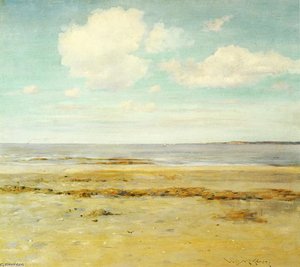
Beach
 Post-Impressionism
 39.0 x 58.0 cm
 Royal West of England Academy
 더 보기
더 보기




































작품의 원본 비율을 유지하는 미리 설정된 크기 중에서 선택하세요.

특정 프레임이나 공간에 맞도록 직접 크기를 입력할 수 있습니다. 선택하신 크기가 원본 이미지의 비율과 일치하지 않는 경우, 작품을 자르거나 추가적인 손으로 그린 요소를 사용하여 그림을 확장합니다. 제작 시작 전 승인을 위해 디지털 목업을 보내드립니다.
화면 미리 보기는 실제 자르기 또는 확장을 반영하지 않습니다. 최종 구성은 목업을 통해서만 정확하게 확인하실 수 있습니다.
맞춤 크기 제작도 가능하지만, 원본 비율을 유지하기 위해 사전 정의된 목록에서 크기를 선택하시는 것을 권장합니다.
주문 후 ArtsDot.com 팀에서 상세 안내를 위해 고객님께 이메일을 보내드리며, 미리보기 시안을 제공해 드립니다.


 유리 옵션은 110cm 미만 크기에서만 선택 가능합니다.

Beach
재현 기법
복제본 크기
-


최종 결제 금액
$ 263
유사한 작품들




작가 약력
Richard MacDonald: Sculpting the Essence of Movement
Richard MacDonald (b. 1946) stands as a towering figure in contemporary American sculpture, celebrated for his monumental bronze works that distill the dynamism and beauty inherent in human movement—primarily inspired by dancers and athletes. Born in Yeovil, England, MacDonald’s artistic journey began with formal training at Leeds College of Art and subsequently honed at the Royal College of Art, establishing him as a respected educator alongside a prolific creative output. His distinctive style blends neo-realism with expressive abstraction, resulting in sculptures that convey both anatomical precision and emotional resonance.- Early Influences: MacDonald’s formative years were marked by exposure to British Sporting Art, notably Ramsay Richard Reinagle's depictions of equestrian pursuits and animal portraits—a tradition he embraced as a young artist.
- Academic Career: He lectured at Leeds College of Art and Camberwell School of Arts & Crafts, fostering the next generation of sculptors while simultaneously refining his own artistic vision.
- Notable Exhibitions: MacDonald’s work gained recognition through participation in influential groups like the London Group and the New English Art Club, culminating in a triumphant solo exhibition at the Royal Academy showcasing his evolving aesthetic.
The Rise of Neo-Realism & Artistic Exploration
MacDonald's breakthrough came in the mid-1950s when he transitioned to neo-realist sculpture, prioritizing anatomical accuracy and capturing the physicality of subjects—often dancers or athletes—with remarkable detail. This stylistic shift reflected a broader trend within European art at the time, emphasizing observation and conveying emotional depth through form. His sculptures aren’t merely representations; they are embodiments of energy and grace, meticulously crafted to evoke a profound connection with the human experience.- Collaboration with Joseph Losey: MacDonald achieved considerable success as an Art Director for films directed by Joseph Losey, notably “The Feeding Time” and “Oliver!”, cementing his reputation as a visual storyteller.
- Hollywood Career: He moved to Hollywood in 1968, contributing to numerous productions including "Bonnie and Clyde," "Good Morning Vietnam" and "Flash Gordon."
Signature Style & Recurring Themes
MacDonald’s sculptural technique is characterized by a masterful command of bronze casting—a medium he consistently utilizes throughout his career. He employs a subtractive process, meticulously carving away material to reveal the underlying form, resulting in sculptures that possess both solidity and fluidity. Recurring themes within his oeuvre include movement, balance, and the exploration of human anatomy—often depicted with striking realism alongside subtle expressive gestures. His work frequently references classical sculpture, demonstrating an enduring appreciation for artistic heritage.Monumental Achievements & Artistic Legacy
MacDonald’s monumental sculptures—particularly those commissioned for public spaces—have garnered international acclaim and solidified his place as one of America's foremost sculptors. Notable projects include “Return to the City at Evening” in Toronto, Canada – a striking depiction of London’s twilight skyline – and “Beach,” reflecting solitude and contemplation. His enduring influence can be seen in the work of countless artists who have drawn inspiration from his pioneering approach to figurative sculpture. MacDonald continues to sculpt today, demonstrating an unwavering commitment to artistic innovation and perpetuating his legacy as a visionary artist.Further Exploration
For deeper insights into Richard MacDonald’s life and art, consider visiting Musée Richard Anacréon in Granville, France – showcasing early 20th-century modern art alongside literary treasures – or exploring the Art Gallery of Guelph (formerly Macdonald Stewart) in Ontario, Canada. Discovering his artistic journey offers a captivating glimpse into the evolution of contemporary sculpture and its enduring fascination with capturing human movement and emotion.
richard macdonald
1946 -
주요 정보
- Artistic Movement Or Style: Neo-realism
- Artists Or Movements Influenced By This Artist: ['Cirque du Soleil']
- Artists Who Influenced This Artist: ['Ramsay Richard Reinagle']
- Date Of Birth: 1946
- Date Of Death: Living
- Full Name: Richard MacDonald
- Nationality: American
- Notable Artworks:
- Return to the City at Evening
- Beach
- Place Of Birth: Yeovil, England
관련 기사 더 보기

Impressionistic Landscapes: 10 Masterpieces That Changed Art & Decor
Journey into the heart of Impressionism! Explore 10 masterpieces by Monet, Renoir & Degas that revolutionized landscape art. Discover their stories, techniques & find museum-quality reproductions to elevate your home decor on ArtsDot.com.
인상주의 풍경화의 황홀한 순간들: 10대 걸작에 담긴 예술혼
인상주의 풍경화의 정수를 담은 10대 걸작! 모네, 르누아르 등 거장의 작품 비하인드 스토리와 예술혼을 만나보세요. ArtsDot에서 고품격 미술 복제 및 인테리어 영감을 얻고, 당신의 공간에 예술적 감성을 더하세요. 지금 바로 ArtsDot.com에서 모든 걸작을 발견해보세요!

폴 세잔 명작 25선: 시대를 초월하는 예술과 공간의 미학 | ArtsDot
폴 세잔의 시대를 초월하는 명작 25점을 만나보세요. 인상주의를 넘어 후기 인상주의를 개척한 화가의 예술 세계와 정물화, 풍경화 속 숨겨진 이야기를 ArtsDot에서 감상하세요. 고품질 아트 프린트와 캔버스 액자로 공간에 예술을 더해보세요! 지금 바로 컬렉션을 탐험하세요.

Beyond the Horizon: A Curated Guide to Integrating Post-Impressionist Landscapes into Modern Interiors
Transform your home with the emotive power of Post-Impressionist landscapes. Discover expert tips on selecting hand-painted oil reproductions to create a soulful, vibrant interior that reflects your unique style and connection to nature.

Beyond the Horizon: 10 Landscape Masterpieces for Your Home Decor
Journey through 10 breathtaking landscape paintings by Monet, Van Gogh & more! Explore iconic artworks, artistic techniques & find inspiration for your home decor. Museum-quality reproductions at ArtsDot.com. Discover all masterpieces on ArtsDot.com

