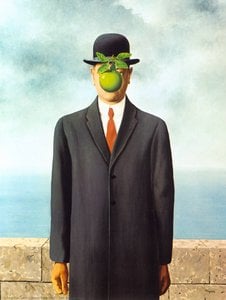
미리보기
미리보기
 프린트 구매
 공유하기
공유하기 공유하기
공유하기
 상세 정보
상세 정보

 다운로드
다운로드
 유사 작품
유사 작품 X-레이
X-레이 슬라이드 쇼
Pure reason


 더 보기
더 보기




P118B $10

P118H $10

P118W $10

P438Z $10

P508JH $12

P508YH $12

P805H $10

P805Z $10

P919BZ $10

P919G $10

P919XJ $10

P959ZH $10

P968JZ $12

W106C $8

W218G $10

W218JH $8

W218Y $10

W307PJ $10

W316G $10

W316PJ $8

W316Y $10

W398PJ $8

W4111J $10

W500HY $15

W500JH $15

W692G $12

W849H $8

W940BG $15

W953PJ $8




작품의 원본 비율을 유지하는 미리 설정된 크기 중에서 선택하세요.

특정 프레임이나 공간에 맞도록 직접 크기를 입력할 수 있습니다. 선택하신 크기가 원본 이미지의 비율과 일치하지 않는 경우, 작품을 자르거나 추가적인 손으로 그린 요소를 사용하여 그림을 확장합니다. 제작 시작 전 승인을 위해 디지털 목업을 보내드립니다.
화면 미리 보기는 실제 자르기 또는 확장을 반영하지 않습니다. 최종 구성은 목업을 통해서만 정확하게 확인하실 수 있습니다.
맞춤 크기 제작도 가능하지만, 원본 비율을 유지하기 위해 사전 정의된 목록에서 크기를 선택하시는 것을 권장합니다.
주문 후 ArtsDot.com 팀에서 상세 안내를 위해 고객님께 이메일을 보내드리며, 미리보기 시안을 제공해 드립니다.


 유리 옵션은 110cm 미만 크기에서만 선택 가능합니다.

Pure reason
재현 기법
복제본 크기
-


최종 결제 금액
$ 263
작품 상세 설명
A Dreamscape of Reason: Exploring René Magritte’s 1948 Composition
Pure Reason, painted in 1948 by the master of surrealism, René Magritte, is a captivating and enigmatic work that invites viewers into a world where logic bends to the will of the subconscious. This piece isn't merely a depiction of a landscape; it’s an exploration of perception, reality, and the unsettling beauty found in their juxtaposition.Subject & Composition: A Horse Head Emerges
The artwork immediately draws the eye to its most striking element: a monumental horse head dominating the right side of the composition. This isn't a naturalistic rendering; rather, it’s a powerful, almost architectural form. A solitary rider on horseback journeys through a stylized forest, adding a narrative thread that remains deliberately ambiguous. The scene unfolds within an unusual woodland composed of elongated, blue geometric shapes – trees transformed into abstract pillars or mountains. A dramatic flourish is added by the deep red curtain hanging in the distant background, lending a theatrical and slightly ominous quality to the otherwise ethereal setting.Style & Technique: Surrealism Defined
Magritte’s style here is quintessentially surrealist, echoing the influence of artists like Salvador Dalí but with his own distinct sensibility. He eschews detailed realism in favor of precise, clean lines and a flattened perspective that enhances the dreamlike quality. The color palette—cool blues and greens contrasted with warm browns and reds—creates visual tension and reinforces the emotional impact. The smooth texture suggests meticulous brushwork or potentially digital manipulation (though created well before widespread digital art tools), contributing to the polished, almost unsettling perfection of the scene.Historical Context & Magritte’s Vision
Born in 1898, René Magritte was a pivotal figure in the Surrealist movement, which flourished after World War I. This period saw a rejection of rational thought and an embrace of the irrational, the subconscious, and the power of dreams. Magritte’s work consistently challenged conventional perceptions of reality, often by placing familiar objects in unexpected contexts. He wasn't interested in illustrating dreams themselves, but rather in creating images that *felt* like dreams – unsettling, illogical, yet strangely compelling. His earlier explorations through Impressionism and Cubism laid the groundwork for his mature Surrealist style.Symbolism & Interpretation
The symbolism within Pure Reason is open to interpretation, a hallmark of Magritte’s work. The horse head, often associated with power, nobility, and instinct, could represent untamed forces or the primal aspects of human nature. The rider's journey through the abstract forest might symbolize a quest for knowledge or self-discovery within an illogical world. The red curtain is particularly intriguing, potentially representing a boundary between reality and illusion, or perhaps alluding to the performative nature of existence. The geometric trees suggest a constructed reality, hinting at the artificiality of our perceptions.Emotional Impact & Aesthetic Appeal
Pure Reason evokes a sense of mystery, contemplation, and subtle unease. It’s not an overtly emotional painting, but rather one that invites quiet reflection. The juxtaposition of natural elements (the horse, the forest) with abstract forms creates a visual tension that keeps the viewer engaged. Its cool color palette and precise execution lend it a sophisticated aesthetic appeal, making it suitable for both modern and traditional interiors. This artwork is ideal for those seeking a statement piece that sparks conversation and adds an element of intellectual intrigue to any space.유사한 작품들




작가 약력
Early Life and the Seeds of Surrealism
René Magritte는 벨기에 레센네스에서 1898년 11월 21일에 태어났습니다. 그의 어린 시절은 충격적인 사건으로 시작되었습니다. 바로 어머니의 자살이었는데, 그는 열세 살 때였습니다. 그녀의 시체가 세브레 강에 발견되었고 그녀의 드레스가 얼굴을 가리는 모습이 눈앞에 펼쳐졌습니다. 이 초기의 트라우마는 그에게 미스터리함과 상실감 그리고 우리가 보지 못하는 힘에 대한 매혹감을 심어주었습니다. 그의 어린 시절에 대한 자세한 정보는 아직 명확하게 밝혀지지 않았지만 그는 삶 전체를 질문하는 방식으로 끊임없이 탐구하며 예술적 비전을 형성했습니다. 그는 열 살 때 그림 레슨을 시작했는데 이는 그에게 시각적 표현에 대한 타고난 기질을 드러냈습니다. 하지만 처음에는 인상주의로 탐구했지만 이후 그의 예술 경로는 서양 미술의 주요 인물 중 한 명으로 나아가기 위해 독특한 길을 택했습니다.
Artistic Development and Influences
마그리트는 예술적 여정이 즉각적이고 간단하지 않았습니다. 그는 브뤼셀 왕립 미술 아카데미에서 공부했지만 전통적인 방법은 그에게 답답함을 안겨주었습니다. 그의 초기 작품은 미래주의와 입체주의를 실험했는데 이 두 현대 미술 운동의 형식을 흡수했지만 형식적인 우려에 대한 관심이 부족했습니다. 그는 1922년 지오르지오 드 치리코의 그림 *사랑의 노래*를 만나면서 새로운 시각을 발견했습니다. 드 치리코의 꿈 같은 풍경과 혼란스러운 대립은 마그리트에게 익숙한 것이 이상하게 변하고 평범함이 깊은 미스터리로 가득 차는 세계로 이끌었습니다. 이 만남은 그가 초현실주의에 대한 약속을 깨고 그의 동료 예술가들보다 더 자유로운 방식으로 탐구하는 것을 촉발했습니다. 그는 초현실주의의 심리적 또는 자동적인 접근 방식과 같은 방법으로 무의식 탐구를 추구하지 않았습니다.
The Heart of Surrealism: Challenging Reality
1926년 마그리트는 초현실주의 원칙을 완전히 받아들였고 *로스트 조커*를 제작했는데 이 작품은 광범위하게 그의 첫 번째 진정한 초현실주의 작품으로 여겨집니다. 그러나 그의 초현실주의는 독특했습니다. 그는 미래주의와 같은 다른 예술가들의 방식과 달리 무의식 탐구에 대한 자유 연관이나 꿈 이미지 사용에 관심이 없었습니다. 대신 마그리트는 일반적인 물건을 예상치 못한 맥락에서 제시하여 관객에게 세계에 대한 가정에 대해 질문하도록 강요하는 방식으로 현실에 도전했습니다. 그는 초현실주의의 핵심은 이처럼 관객에게 새로운 시각을 제공하고 예술이 생각과 경외심을 불러일으키는 능력을 인정하는 것입니다.
Iconic Works: Paradoxes of Perception
마그리트는 초현실주의 원칙에 대한 약속을 깨고 *사랑의 노래*를 제작했는데 이 작품은 광범위하게 그의 첫 번째 진정한 초현실주의 작품으로 여겨집니다. 그는 미래주의와 같은 다른 예술가들의 방식과 달리 무의식 탐구에 대한 자유 연관이나 꿈 이미지 사용에 관심이 없었습니다. 대신 마그리트는 일반적인 물건을 예상치 못한 맥락에서 제시하여 관객에게 세계에 대한 가정에 대해 질문하도록 강요하는 방식으로 현실에 도전했습니다. 그는 초현실주의의 핵심은 이처럼 관객에게 새로운 시각을 제공하고 예술이 생각과 경외심을 불러일으키는 능력을 인정하는 것입니다.
Legacy and Recognition
마그리트는 초기 작품에서 미래주의와 입체주의를 실험했는데 이 두 현대 미술 운동의 형식을 흡수했지만 형식적인 우려에 대한 관심이 부족했습니다. 그는 초현실주의의 심리적 또는 자동적인 접근 방식과 같은 방법으로 무의식 탐구에 대한 자유 연관이나 꿈 이미지 사용에 관심이 없었습니다. 대신 마그리트는 일반적인 물건을 예상치 못한 맥락에서 제시하여 관객에게 세계에 대한 가정에 대해 질문하도록 강요하는 방식으로 현실에 도전했습니다. 그는 초현실주의의 핵심은 이처럼 관객에게 새로운 시각을 제공하고 예술이 생각과 경외심을 불러일으키는 능력을 인정하는 것입니다.

마그리트 레네
1898 - 1967 , 벨기에
주요 정보
- Artistic Movement Or Style: 초현실주의
- Artists Who Influenced This Artist: ['지오르조 디 치리코']
- Date Of Birth: November 21, 1898
- Date Of Death: August 15, 1967
- Full Name: René François Ghislain Magritte
- Nationality: 벨기에인
- Notable Artworks:
- 레 오베르스
- 이미지 기교의 속임수
- 시간 정지된 것
- Place Of Birth: Lessines, Belgium
관련 기사 더 보기

르네 마그리트 최고작 25선: 초현실주의 거장의 시대를 초월한 걸작들 | ArtsDot
르네 마그리트 최고작 25선을 만나보세요. 초현실주의 화가의 기묘하고 철학적인 세계를 탐험하고, 숨겨진 의미와 상징을 발견하세요. ArtsDot에서 고품질 미술 작품과 인테리어 아이디어를 찾아보세요. 지금 바로 컬렉션을 확인하세요!

The Enigma of Reality: Exploring René Magritte's Subversion of Perception & the Poetics of Everyday Life
Explore the captivating world of René Magritte! Delve into his surrealist masterpieces, challenging perceptions of reality & identity. Discover the philosophical depth and lasting influence of this Belgian master.

Surrealist Painting Masterpieces: 10 Artworks That Redefined Reality | ArtsDot
Journey into the dreamlike world of Surrealism! Explore 10 masterpieces by Dali, Magritte & Miró that redefined art. Discover their stories & find museum-quality reproductions to elevate your home decor on ArtsDot.com.

초현실주의를 정의한 10대 걸작: 예술과 인테리어의 새로운 영감 (ArtsDot)
초현실주의 미술의 정수를 담은 10대 걸작을 만나보세요. 마그리트, 달리 등 거장의 작품 비하인드 스토리와 예술적 의미를 탐구하고, ArtsDot에서 고품질 아트 프린트로 공간에 영감을 불어넣으세요! 지금 바로 ArtsDot.com에서 컬렉션을 둘러보세요.

The Noble Steed on Canvas: A Historical & Artistic Exploration of Horse Painting Across Cultures
Explore the rich history of horse painting! Discover masterpieces from Stubbs to Munnings & learn about symbolism, techniques & artists. Find museum-quality reproductions at ArtsDot.