


 미리보기
미리보기
 공유하기
공유하기 공유하기
공유하기
 상세 정보
상세 정보

 다운로드
다운로드
 유사 작품
유사 작품 X-레이
X-레이 슬라이드 쇼
The knight's dream (study)

 더 보기
더 보기
지클레 / 아트 프린트
빠른 제작과 다양한 마감 옵션을 제공하는 박물관 품질의 지클레이 또는 캔버스 프린트. ( 손으로 그린 그림 구매 이미지 구매)




P118B $10

P118H $10

P118W $10

P438Z $10

P508JH $12

P508YH $12

P805H $10

P805Z $10

P919BZ $10

P919G $10

P919XJ $10

P959ZH $10

P968JZ $12

W106C $8

W218G $10

W218JH $8

W218Y $10

W307PJ $10

W316G $10

W316PJ $8

W316Y $10

W398PJ $8

W4111J $10

W500HY $15

W500JH $15

W692G $12

W849H $8

W940BG $15

W953PJ $8




작품의 원본 비율을 유지하는 미리 설정된 크기 중에서 선택하세요.

특정 프레임이나 공간에 맞춰 직접 치수를 입력하실 수 있습니다. 선택하신 사이즈가 원본 이미지의 비율과 일치하지 않을 경우, 작품을 크롭(자르기)하거나 이미지를 대칭 또는 단색 채우기로 확장하여 제작합니다. 제작 시작 전, 최종 확인을 위해 디지털 목업이 전송됩니다.
화면상의 미리보기는 실제 크롭이나 확장 상태를 반영하지 않으므로, 최종 구도는 오직 목업을 통해서만 정확하게 확인하실 수 있습니다.
맞춤 사이즈 제작도 가능하지만, 원본 비율을 유지하기 위해서는 사전 정의된 목록에서 치수를 선택하시는 것을 권장합니다.


 유리 옵션은 110cm 미만 크기에서만 선택 가능합니다.

The knight's dream (study)
지클레 / 아트 프린트
복제본 크기
-


최종 결제 금액
$ 62
작품 상세 설명
A Glimpse Behind the Dream: Analyzing Raphael’s Preparatory Study
The artwork, “The Knight’s Dream,” presented here is not merely a finished masterpiece; it's a crucial window into Raphael’s creative process—a black and white preparatory drawing that reveals the meticulous thought and artistry underpinning his celebrated paintings. Executed in egg tempera on poplar wood and housed within the esteemed National Gallery of London, this piece embodies the spirit of Renaissance idealism while simultaneously demonstrating Raphael’s masterful command of artistic technique. It's a study for “The Vision of a Knight,” an ambitious allegory exploring themes of chivalry, faith, and divine inspiration—a testament to Raphael’s unwavering dedication to capturing profound human emotion through precise observation and skillful rendering.Composition and Technique: Mastering Spatial Illusion
Raphael’s approach to this drawing exemplifies the Renaissance preoccupation with realism combined with intellectual rigor. The composition centers around three figures arranged in a triangular formation, reflecting the humanist ideals prevalent during his time—a deliberate structuring device designed to convey stability and harmony. Vertical lines bisecting the image emphasize depth and guide the viewer's eye across the landscape backdrop, which stretches into distant hills adorned with castles – symbols of power and nobility. Hatching and cross-hatching techniques dominate the drawing’s surface, skillfully layering tones to create convincing shading and volume. Raphael’s meticulous attention to detail is evident in every stroke, demonstrating his mastery of linear perspective and atmospheric haze—essential tools for conveying spatial illusion within a two-dimensional format. The subtle reworking of certain areas suggests an iterative process, reflecting Raphael's commitment to achieving perfection through repeated refinements.Symbolism and Narrative Depth: Echoes of Medieval Virtue
“The Knight’s Dream” transcends mere visual representation; it speaks to deeper philosophical concerns rooted in medieval Christian symbolism. The knight himself embodies virtues such as courage, piety, and honor—qualities considered paramount during the Renaissance period. His companions represent intellectual contemplation and spiritual devotion, highlighting the importance of reason alongside faith in humanist thought. The inclusion of a bow and arrow subtly references martial prowess but also underscores the knight’s role as protector – a visual shorthand for defending Christendom against external threats. Raphael skillfully utilizes these elements to construct a narrative that transcends its immediate setting, inviting viewers to contemplate questions of morality and spiritual aspiration.Historical Context: Urbino's Artistic Legacy
Raphael’s formative years in Urbino—a city ruled by Federico da Montefeltro—were marked by an unparalleled flourishing of artistic patronage and humanist scholarship. Surrounded by brilliant minds and exposed to innovative artistic ideas from across Europe, Raphael absorbed the influences that would shape his distinctive style. Federico’s court championed classical ideals alongside Christian piety, fostering a climate conducive to intellectual exploration and artistic experimentation – factors undeniably contributing to Raphael's exceptional talent and unwavering commitment to capturing beauty and truth with uncompromising precision. Studying this preparatory drawing allows us to appreciate not only Raphael’s technical prowess but also the broader cultural context that nurtured his genius.Emotional Resonance: Capturing Inner Reflection
Ultimately, “The Knight’s Dream” succeeds in conveying a profound sense of introspection—a reflection on the human condition and the pursuit of spiritual enlightenment. The dreamlike quality suggested by the title underscores Raphael's belief that art could illuminate hidden truths and inspire contemplation. Through his masterful use of line and tone, he captures not just the visual appearance of the scene but also its emotional essence – inviting viewers to engage in a dialogue with the artwork’s symbolic richness and artistic sophistication. It stands as a poignant reminder of Raphael’s ability to transform observation into enduring beauty.유사한 작품들


작가 약력
라파엘로: 우르비노의 빛, 르네상스 미술의 정수
1483년, 이탈리아 우르비노에서 태어난 라파엘로 산치오 다 우르비노, 그는 역사 속에서 ‘라파엘’이라는 이름으로 영원히 기억될 것입니다. 그의 삶은 바로크 건축과 예술의 중심지였던 우르비노 공국의 문화적 풍요 속에서 시작되었습니다. 아버지 조반니 산티 역시 공국에 고용된 화가이자 시인이었으며, 르네상스 사상의 흐름을 읽고 새로운 예술적 아이디어를 적극적으로 수용한 인물이었습니다. 이러한 환경은 어린 라파엘에게 예술과 학문이 결합된 균형 잡힌 감수성을 심어주었고, 그의 작품 세계에 깊은 영향을 미쳤습니다. 아버지의 갑작스러운 죽음 이후, 라파엘은 젊은 나이에 가족 작업장을 이끌며 그림 실력을 갈고 닦았고, 섬세한 표현과 부드러운 선이 특징인 초기 작품들에서 그의 재능을 엿볼 수 있습니다.
움브리아에서 피렌체로: 새로운 영감의 추구
라파엘의 예술적 여정은 끊임없는 변화와 성장의 연속이었습니다. 페루지노에게 그림을 배우며 움브리아 스타일의 기반을 다졌지만, 그는 안주하지 않고 더 넓은 세상으로 나아가고자 했습니다. 1504년, 예술 혁신의 중심지였던 피렌체로 향한 라파엘은 레오나르도 다 빈치와 미켈란젤로의 걸작들을 직접 마주하며 깊은 감명을 받았습니다. 그는 두 거장의 기법을 탐구하고 분석하며 자신만의 독창적인 스타일을 구축하기 위해 노력했습니다. 특히 레오나르도의 스푸마토 기법, 즉 부드러운 명암 대비를 통해 형태를 표현하는 방식과 미켈란젤로의 인체 해부학적 정확성과 역동적인 구성을 연구하며 자신의 예술 세계에 새로운 가능성을 불어넣었습니다. 피렌체에서의 경험은 라파엘에게 깊은 영향을 미쳐, 그의 작품에서 더욱 풍부한 감정과 생동감을 느낄 수 있게 해주었습니다.
로마의 황금기: 위대한 의뢰와 걸작 탄생
1508년, 교황 율리우스 2세의 초청으로 라파엘은 로마행을 결정하며 자신의 예술적 역량을 본격적으로 발휘할 기회를 맞이합니다. 영원한 도시 로마는 그에게 무대이자 영감의 원천이었으며, 바티칸 궁전의 벽면을 장식하는 대규모 프레스코화 작업을 통해 그의 명성은 더욱 높아졌습니다. 특히 ‘아테네 학당’은 라파엘의 대표작으로 손꼽히며, 고대 그리스 철학자들의 모습을 생생하게 묘사하여 지성과 예술이 조화를 이루는 르네상스 시대의 이상을 구현했습니다. 또한, 교황 레오 10세의 의뢰를 받아 ‘세그나투라 방’과 ‘엘리오도로 방’ 등의 프레스코화 작업을 진행하며 종교적 주제와 세속적인 이야기를 능숙하게 조화시키는 그의 재능을 증명했습니다. 이러한 작업들은 라파엘을 단순한 화가를 넘어, 시대의 정신을 반영하는 위대한 예술가로 자리매김하게 했습니다.
우아함과 웅장함의 조화: 라파엘의 예술적 특징
라파엘의 작품은 우아함, 명료함, 이상적인 아름다움이 절묘하게 어우러진 것이 특징입니다. 그는 움브리아 전통, 피렌체 혁신, 고대 그리스 로마 문화 등 다양한 영향을 흡수하여 자신만의 독창적인 예술 세계를 구축했습니다. 그의 구도는 정교하게 계획되어 있으며, 르네상스 시대의 원리를 반영하는 균형과 비례미를 자랑합니다. 인물들은 서정적이고 감성적인 표현을 통해 인간 본연의 아름다움을 드러내며, 보는 이로 하여금 깊은 감동을 불러일으킵니다. 또한, 그는 풍부하고 밝은 색채를 사용하여 시각적으로 매혹적이면서도 지적으로 자극하는 작품들을 창조했습니다. 미켈란젤로의 강렬하고 격렬한 스타일과는 대조적으로, 라파엘의 작품은 평온함과 조화로움이 느껴지는 것이 특징입니다.
불멸의 유산: 후대에 드리운 영향
라파엘은 37세라는 젊은 나이에 세상을 떠났지만, 그의 예술적 업적은 시대를 초월하여 후대 예술가들에게 영감을 불어넣었습니다. 그의 작품은 르네상스 시대의 미학을 대표하는 동시에, 이후 네오클래식주의 운동에 큰 영향을 미쳤습니다. 요한 요아힘 빈켈만과 같은 비평가들은 라파엘의 작품에서 고전적인 아름다움의 이상을 발견하고 이를 적극적으로 재조명했습니다. 오늘날까지도 그의 그림들은 전 세계 미술관에 전시되어 수많은 사람들에게 감동을 선사하며, 르네상스 시대 최고의 거장으로서 그의 위상은 확고히 자리 잡았습니다. 라파엘은 단순한 화가를 넘어, 인간의 아름다움과 정신적인 가치를 예술로 승화시킨 불멸의 존재입니다.

라파엘로
1483 - 1520 , 이탈리아
주요 정보
- 국적: 이탈리아인
- 대표 작품:
- 아테네 학당
- 시스티나 마돈나
- 변화
- 사망일: 1520년 4월 6일
- 영향을 받은 예술 사조: ['신고전주의']
- 영향을 준 예술가:
- 레오나르도 다 빈치
- 미켈란젤로
- 피에트로 페루지노
- 예술 사조: 고전 회화 (High Renaissance)
- 전체 이름: 라파엘로 산치오 다 우르비노
- 출생일: 1483년 3월 28일 (또는 4월 6일)
- 출생지: 우르비노, 이탈리아
관련 기사 더 보기

Gerard David: Bridging Late Medieval Tradition with Early Renaissance Humanism
Explore the captivating world of Gerard David, a pivotal figure bridging late medieval artistry with the Early Renaissance. Discover his innovative techniques, religious masterpieces, and enduring legacy – a must-read for discerning art collectors.
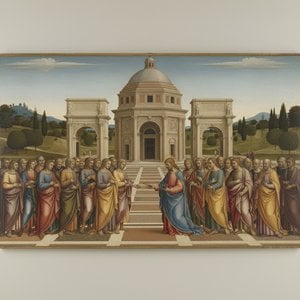
Pietro Perugino: Umbrian Master of Serenity & Precursor to Raphael's High Renaissance
Explore the life & art of Pietro Perugino, a pivotal Renaissance master and Raphael’s influential teacher. Discover his serene compositions, Sistine Chapel frescoes, and lasting legacy with ArtsDot.

Albrecht Altdorfer: Innovation, Spirituality & the Northern Renaissance Landscape
Explore the groundbreaking art of Albrecht Altdorfer, a pioneer of the Northern Renaissance's Danube School. Discover his innovative landscapes, spiritual symbolism & lasting influence on German painting.

Daniel Ridgway Knight: A Study in Victorian Genre Painting & Rural Idealism
Explore the captivating world of Daniel Ridgway Knight, a master of Victorian genre painting. Discover his serene rural scenes, realistic technique & lasting influence on American Impressionism. Learn about his life, art, and collectibility.
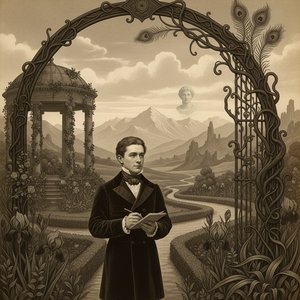
Francis Ferdinand Maurice Cook: A Study in Victorian Aestheticism & Landscape Evolution
Explore the captivating art of Sir Francis Ferdinand Maurice Cook – a British artist bridging Victorian traditions & Aestheticism. Discover his landscapes, collection history, and unique style. Expert analysis for collectors.




