


 미리보기
미리보기
 공유하기
공유하기 공유하기
공유하기
 상세 정보
상세 정보

 다운로드
다운로드
 유사 작품
유사 작품 X-레이
X-레이 슬라이드 쇼
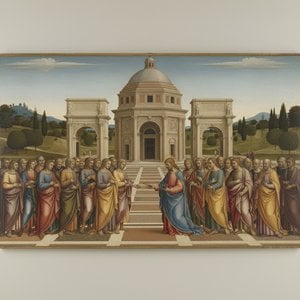
Saint John the Baptist Preaching
 High Renaissance
 1505
1505 26.0 x 52.0 cm
 더 보기
더 보기
지클레 / 아트 프린트
빠른 제작과 다양한 마감 옵션을 제공하는 박물관 품질의 지클레이 또는 캔버스 프린트. ( 손으로 그린 그림 구매 이미지 구매)




P118B $10

P118H $10

P118W $10

P438Z $10

P508JH $12

P508YH $12

P805H $10

P805Z $10

P919BZ $10

P919G $10

P919XJ $10

P959ZH $10

P968JZ $12

W106C $8

W218G $10

W218JH $8

W218Y $10

W307PJ $10

W316G $10

W316PJ $8

W316Y $10

W398PJ $8

W4111J $10

W500HY $15

W500JH $15

W692G $12

W849H $8

W940BG $15

W953PJ $8




작품의 원본 비율을 유지하는 미리 설정된 크기 중에서 선택하세요.

특정 프레임이나 공간에 맞춰 직접 치수를 입력하실 수 있습니다. 선택하신 사이즈가 원본 이미지의 비율과 일치하지 않을 경우, 작품을 크롭(자르기)하거나 이미지를 대칭 또는 단색 채우기로 확장하여 제작합니다. 제작 시작 전, 최종 확인을 위해 디지털 목업이 전송됩니다.
화면상의 미리보기는 실제 크롭이나 확장 상태를 반영하지 않으므로, 최종 구도는 오직 목업을 통해서만 정확하게 확인하실 수 있습니다.
맞춤 사이즈 제작도 가능하지만, 원본 비율을 유지하기 위해서는 사전 정의된 목록에서 치수를 선택하시는 것을 권장합니다.


 유리 옵션은 110cm 미만 크기에서만 선택 가능합니다.

Saint John the Baptist Preaching
지클레 / 아트 프린트
복제본 크기
-


최종 결제 금액
$ 62
작품 상세 설명
The Preacher’s Light: Raphael's Saint John the Baptist
Raphael’s “Saint John the Baptist Preaching,” painted in 1505, is more than just a depiction of a biblical scene; it’s a distillation of Renaissance ideals – a harmonious blend of humanism, religious fervor, and masterful technique. Measuring a modest 26 x 52 centimeters, this oil painting belies the profound depth of its composition and emotional resonance. It transports us to a sun-drenched field, not merely as an observer but as a participant in a pivotal moment of spiritual awakening. The work’s enduring appeal lies in Raphael's ability to capture the essence of John the Baptist – his charisma, his urgency, and the profound impact of his message – within this intimate yet dynamic tableau.
The scene unfolds with remarkable clarity. Saint John stands on the left side of the canvas, a figure of austere beauty and commanding presence. His posture is deliberately upright, radiating authority as he addresses the assembled crowd. Notice the deliberate simplicity of his attire: a flowing red mantle draped over a rough tunic, a stark contrast to the more elaborate garments worn by some of the onlookers. This choice underscores John’s role as a prophet – stripped bare, both literally and figuratively, before God. The use of light is particularly striking; Raphael masterfully employs chiaroscuro—the dramatic interplay of light and shadow—to draw our attention directly to John's face and hands, emphasizing his earnest expression and the gesture of pointing towards heaven. The background, subtly rendered with a distant horse, provides depth without distracting from the central drama.
Renaissance Harmony: Composition and Technique
Raphael’s genius lies not just in individual brushstrokes but in his masterful orchestration of elements within the composition. The figures are arranged in a pyramidal structure, lending stability and visual balance to the scene. The varying distances between the figures – some close enough to appear engaged in the sermon, others receding into the background – create a sense of spatial depth and invite the viewer’s eye to wander through the gathering. His technique is characterized by smooth transitions, delicate modeling of forms, and an almost photographic realism—a hallmark of the High Renaissance. The pigments are applied with remarkable precision, creating textures that range from the rough fabric of John's robe to the smoother skin tones of the onlookers. This meticulous attention to detail speaks volumes about Raphael’s dedication to his craft.
A Window into the Cinquecento
“Saint John the Baptist Preaching” is firmly rooted in the artistic and intellectual currents of the Cinquecento, or 16th-century Italy. This period witnessed a flourishing of art, literature, and philosophy, fueled by the rediscovery of classical antiquity and a renewed interest in humanism. Raphael’s work embodies these ideals—celebrating human beauty, exploring profound spiritual themes, and employing sophisticated artistic techniques. The painting reflects the humanist emphasis on civic virtue and moral responsibility, as John's message calls for repentance and preparation for Christ’s coming. It also aligns with the broader religious context of the time, a period marked by intense theological debate and a fervent desire to reconnect with biblical teachings.
Symbolism and Spiritual Resonance
Beyond its formal beauty, “Saint John the Baptist Preaching” is rich in symbolic meaning. The horse in the background, often interpreted as representing Roman power and authority that John challenges, adds another layer of complexity to the scene. John’s gesture—pointing upwards—is a direct reference to the Gospel accounts, signifying his role as a herald of salvation. His stance, reminiscent of classical sculptures depicting philosophers and orators, connects him to the humanist tradition and elevates his message to one of universal significance. Ultimately, Raphael's painting is not simply a historical depiction but a powerful meditation on faith, morality, and the enduring quest for spiritual truth—a timeless masterpiece that continues to resonate with viewers centuries later.
유사한 작품들


작가 약력
라파엘로: 우르비노의 빛, 르네상스 미술의 정수
1483년, 이탈리아 우르비노에서 태어난 라파엘로 산치오 다 우르비노, 그는 역사 속에서 ‘라파엘’이라는 이름으로 영원히 기억될 것입니다. 그의 삶은 바로크 건축과 예술의 중심지였던 우르비노 공국의 문화적 풍요 속에서 시작되었습니다. 아버지 조반니 산티 역시 공국에 고용된 화가이자 시인이었으며, 르네상스 사상의 흐름을 읽고 새로운 예술적 아이디어를 적극적으로 수용한 인물이었습니다. 이러한 환경은 어린 라파엘에게 예술과 학문이 결합된 균형 잡힌 감수성을 심어주었고, 그의 작품 세계에 깊은 영향을 미쳤습니다. 아버지의 갑작스러운 죽음 이후, 라파엘은 젊은 나이에 가족 작업장을 이끌며 그림 실력을 갈고 닦았고, 섬세한 표현과 부드러운 선이 특징인 초기 작품들에서 그의 재능을 엿볼 수 있습니다.
움브리아에서 피렌체로: 새로운 영감의 추구
라파엘의 예술적 여정은 끊임없는 변화와 성장의 연속이었습니다. 페루지노에게 그림을 배우며 움브리아 스타일의 기반을 다졌지만, 그는 안주하지 않고 더 넓은 세상으로 나아가고자 했습니다. 1504년, 예술 혁신의 중심지였던 피렌체로 향한 라파엘은 레오나르도 다 빈치와 미켈란젤로의 걸작들을 직접 마주하며 깊은 감명을 받았습니다. 그는 두 거장의 기법을 탐구하고 분석하며 자신만의 독창적인 스타일을 구축하기 위해 노력했습니다. 특히 레오나르도의 스푸마토 기법, 즉 부드러운 명암 대비를 통해 형태를 표현하는 방식과 미켈란젤로의 인체 해부학적 정확성과 역동적인 구성을 연구하며 자신의 예술 세계에 새로운 가능성을 불어넣었습니다. 피렌체에서의 경험은 라파엘에게 깊은 영향을 미쳐, 그의 작품에서 더욱 풍부한 감정과 생동감을 느낄 수 있게 해주었습니다.
로마의 황금기: 위대한 의뢰와 걸작 탄생
1508년, 교황 율리우스 2세의 초청으로 라파엘은 로마행을 결정하며 자신의 예술적 역량을 본격적으로 발휘할 기회를 맞이합니다. 영원한 도시 로마는 그에게 무대이자 영감의 원천이었으며, 바티칸 궁전의 벽면을 장식하는 대규모 프레스코화 작업을 통해 그의 명성은 더욱 높아졌습니다. 특히 ‘아테네 학당’은 라파엘의 대표작으로 손꼽히며, 고대 그리스 철학자들의 모습을 생생하게 묘사하여 지성과 예술이 조화를 이루는 르네상스 시대의 이상을 구현했습니다. 또한, 교황 레오 10세의 의뢰를 받아 ‘세그나투라 방’과 ‘엘리오도로 방’ 등의 프레스코화 작업을 진행하며 종교적 주제와 세속적인 이야기를 능숙하게 조화시키는 그의 재능을 증명했습니다. 이러한 작업들은 라파엘을 단순한 화가를 넘어, 시대의 정신을 반영하는 위대한 예술가로 자리매김하게 했습니다.
우아함과 웅장함의 조화: 라파엘의 예술적 특징
라파엘의 작품은 우아함, 명료함, 이상적인 아름다움이 절묘하게 어우러진 것이 특징입니다. 그는 움브리아 전통, 피렌체 혁신, 고대 그리스 로마 문화 등 다양한 영향을 흡수하여 자신만의 독창적인 예술 세계를 구축했습니다. 그의 구도는 정교하게 계획되어 있으며, 르네상스 시대의 원리를 반영하는 균형과 비례미를 자랑합니다. 인물들은 서정적이고 감성적인 표현을 통해 인간 본연의 아름다움을 드러내며, 보는 이로 하여금 깊은 감동을 불러일으킵니다. 또한, 그는 풍부하고 밝은 색채를 사용하여 시각적으로 매혹적이면서도 지적으로 자극하는 작품들을 창조했습니다. 미켈란젤로의 강렬하고 격렬한 스타일과는 대조적으로, 라파엘의 작품은 평온함과 조화로움이 느껴지는 것이 특징입니다.
불멸의 유산: 후대에 드리운 영향
라파엘은 37세라는 젊은 나이에 세상을 떠났지만, 그의 예술적 업적은 시대를 초월하여 후대 예술가들에게 영감을 불어넣었습니다. 그의 작품은 르네상스 시대의 미학을 대표하는 동시에, 이후 네오클래식주의 운동에 큰 영향을 미쳤습니다. 요한 요아힘 빈켈만과 같은 비평가들은 라파엘의 작품에서 고전적인 아름다움의 이상을 발견하고 이를 적극적으로 재조명했습니다. 오늘날까지도 그의 그림들은 전 세계 미술관에 전시되어 수많은 사람들에게 감동을 선사하며, 르네상스 시대 최고의 거장으로서 그의 위상은 확고히 자리 잡았습니다. 라파엘은 단순한 화가를 넘어, 인간의 아름다움과 정신적인 가치를 예술로 승화시킨 불멸의 존재입니다.

라파엘로
1483 - 1520 , 이탈리아
주요 정보
- 국적: 이탈리아인
- 대표 작품:
- 아테네 학당
- 시스티나 마돈나
- 변화
- 사망일: 1520년 4월 6일
- 영향을 받은 예술 사조: ['신고전주의']
- 영향을 준 예술가:
- 레오나르도 다 빈치
- 미켈란젤로
- 피에트로 페루지노
- 예술 사조: 고전 회화 (High Renaissance)
- 전체 이름: 라파엘로 산치오 다 우르비노
- 출생일: 1483년 3월 28일 (또는 4월 6일)
- 출생지: 우르비노, 이탈리아
관련 기사 더 보기

라파엘의 걸작 25선: 예술과 영혼을 담은 명화 컬렉션 | ArtsDot
라파엘의 걸작 25선을 만나보세요. 르네상스 시대 예술가의 섬세한 기법과 영혼을 담은 명화들을 감상하고, 아테네 학당, 천사의 학교 등 대표 작품의 숨겨진 이야기를 ArtsDot에서 확인하세요. 고급 아트 프린트로 공간에 우아함을 더해보세요! 지금 바로 컬렉션을 탐험하세요.

존 싱어 사전트의 걸작 25선: 빛과 우아함으로 완성된 예술 세계 | ArtsDot
존 싱어 사전트의 대표작 25선을 만나보세요. 인상주의 초상화부터 빛과 색채가 아름다운 유화까지, 그의 예술 세계를 탐험하고 ArtsDot에서 고품질 아트 프린트로 거실 장식을 완성하세요. 지금 온라인 컬렉션을 확인하세요!

존 컨스터블 대표작 25선: 영국 풍경화의 거장, 자연과 감성을 담은 명화 컬렉션 | ArtsDot
존 컨스터블 대표작 25선을 만나보세요. 영국 풍경화 거장의 자연주의 회화, 데담 밸리의 아름다움과 헤이 웨인의 정취를 담은 명화를 감상하세요. ArtsDot에서 고품질 예술 작품 복제본을 소장하고 특별한 인테리어를 완성해보세요. 지금 바로 컬렉션을 탐험하세요!
르네상스 거장들의 걸작 10선: 시대를 정의한 예술의 정수, ArtsDot에서 만나보세요
레오나르도 다 빈치, 미켈란젤로 등 르네상스 거장들의 명작을 만나보세요. 시대를 초월하는 예술의 정수를 감상하고, ArtsDot에서 고품질 복제화와 인테리어 영감을 얻으세요. 지금 바로 컬렉션을 탐험하세요!
Pietro Perugino: Umbrian Master of Serenity & Precursor to Raphael's High Renaissance
Explore the life & art of Pietro Perugino, a pivotal Renaissance master and Raphael’s influential teacher. Discover his serene compositions, Sistine Chapel frescoes, and lasting legacy with ArtsDot.




