


 미리보기
미리보기
 공유하기
공유하기 공유하기
공유하기
 상세 정보
상세 정보

 다운로드
다운로드
 유사 작품
유사 작품 X-레이
X-레이 슬라이드 쇼
 통계 정보
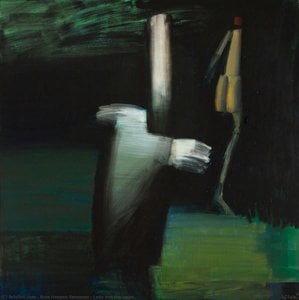
통계 정보The Shepherd
 150.0 x 200.0 cm
 덴마크 의회
 더 보기
더 보기
지클레 / 아트 프린트
빠른 제작과 다양한 마감 옵션을 제공하는 박물관 품질의 지클레이 또는 캔버스 프린트. ( 손으로 그린 그림 구매 디지털 이미지로 전환)




































작품의 원본 비율을 유지하는 미리 설정된 크기 중에서 선택하세요.

특정 프레임이나 공간에 맞춰 직접 치수를 입력하실 수 있습니다. 선택하신 사이즈가 원본 이미지의 비율과 일치하지 않을 경우, 작품을 크롭(자르기)하거나 이미지를 대칭 또는 단색 채우기로 확장하여 제작합니다. 제작 시작 전, 최종 확인을 위해 디지털 목업이 전송됩니다.
화면상의 미리보기는 실제 크롭이나 확장 상태를 반영하지 않으므로, 최종 구도는 오직 목업을 통해서만 정확하게 확인하실 수 있습니다.
맞춤 사이즈 제작도 가능하지만, 원본 비율을 유지하기 위해서는 사전 정의된 목록에서 치수를 선택하시는 것을 권장합니다.


 유리 옵션은 110cm 미만 크기에서만 선택 가능합니다.

The Shepherd
지클레 / 아트 프린트
복제본 크기
-


최종 결제 금액
$ 62
유사한 작품들




작가 약력
A Life Immersed in Myth and Faith: The World of Peter Brandes
Peter Brandes, born on March 5th, 1944, in Assens, Denmark, was an artist whose life story is as compelling as the abstract narratives woven into his celebrated works. His journey began amidst a backdrop of familial displacement and wartime uncertainty—a narrative that would profoundly shape his artistic vision. Brandes’ father, Isidor Thomas Johannes Brandes, a Jewish man fleeing Nazi persecution in Germany, converted to Christianity in 1936 before marrying Gerda Petersen. This personal history, marked by migration and the search for spiritual grounding, became a foundational element of Brandes' creative exploration. The dramatic escape of his father from Denmark during WWII, narrowly avoiding deportation, instilled a deep awareness of fragility and resilience that permeated his later artistic expressions. Largely self-taught, Brandes embarked on a path guided by intuition and an insatiable curiosity for the power of visual language.Early Influences and Artistic Development
Brandes’ early exposure to art came through figures like Asger Jorn, with whom he collaborated, and Markus Lüpertz, whose influence can be seen in his embrace of abstraction. However, Brandes quickly forged his own distinct style—one characterized by a rich palette often dominated by earthy browns and a profound engagement with themes from Christianity and Ancient Greek mythology. He established studios in both Paris and rural Denmark, creating a dynamic interplay between the cosmopolitan energy of the city and the quiet contemplation of the countryside. This duality mirrored the core tensions within his work: the universal narratives of faith and myth juxtaposed with deeply personal interpretations. His breakthrough as an artist arrived in the early 1980s, marking a turning point where his unique vision began to captivate audiences and garner critical acclaim. He wasn’t merely depicting stories; he was excavating their emotional core through form and color.Monumental Expressions of Faith and Culture
Brandes' artistic output is remarkably diverse, encompassing painting, sculpture, ceramics, stained glass, and photography. However, it is perhaps his large-scale commissions that have left the most indelible mark on the cultural landscape. His contributions to Roskilde Domkirke (Roskilde Cathedral) demonstrate a masterful ability to integrate contemporary art within historic architectural spaces. The mosaic windows he created for churches in Nordkap and the Village of Hope near Los Angeles stand as testaments to his commitment to revitalizing sacred spaces with modern visual expressions of Christian narratives. Perhaps most iconic are the enormous Roskilde Jars, erected outside the main railway station in 1998. These oversized ceramic vessels—powerful symbols of both antiquity and contemporary life—became an immediate landmark, embodying Brandes’ ability to connect with a broad public through monumental art.Themes and Symbolism: A Dialogue Between Worlds
At the heart of Brandes' work lies a compelling dialogue between Judaeo-Christian traditions and the timeless myths of Ancient Greece. He didn’t simply illustrate these stories; he *revisited* them, stripping away layers of convention to reveal their underlying emotional truths. His ceramic works, in particular, often draw direct inspiration from classical Greek art and mythology, reimagining ancient forms with a contemporary sensibility. The Iliad, for example, was one of the many books he illustrated, showcasing his ability to translate literary narratives into compelling visual experiences. This exploration wasn’t merely academic; it was deeply personal—a way of grappling with universal themes of love, loss, heroism, and mortality. His art often serves as a meditation on the human condition, exploring the enduring power of storytelling across cultures and generations.Legacy and Historical Significance
Peter Brandes passed away on January 4th, 2025, at the age of 80, leaving behind a rich artistic legacy that continues to inspire. His work is represented in numerous prestigious collections, including Statens Museum for Kunst, ARoS Aarhus Kunstmuseum, and Ny Carlsberg Glyptotek, solidifying his position as one of Denmark’s most significant contemporary artists. He revitalized Danish church art with his Judaeo-Christian inspired works. Brandes' ability to bridge abstraction with spiritual storytelling—to create art that is both intellectually stimulating and emotionally resonant—has earned him a lasting place in the history of contemporary religious art, particularly within Protestant traditions. His collaborations with his wife, Maja Lise Engelhardt, further enriched his artistic practice, resulting in numerous impactful church projects that respected original architecture while introducing modern visual expressions of faith.- Born: Assens, Denmark (March 5th, 1944)
- Died: Eskebjerg, Denmark (January 4th, 2025)

peter brandes
1944 - , Denmark
주요 정보
- Artistic Movement Or Style: Abstract art
- Artists Who Influenced This Artist:
- Asger Jorn
- Markus Lüpertz
- Date Of Birth: March 5, 1944
- Date Of Death: January 4, 2025
- Full Name: Peter Brandes
- Nationality: Danish
- Notable Artworks:
- The Shepherd
- The Calf-Bearer
- Roskilde Jars
- Place Of Birth: Assens, Denmark