


 미리보기
미리보기
 공유하기
공유하기 공유하기
공유하기
 상세 정보
상세 정보

 다운로드
다운로드
 유사 작품
유사 작품 X-레이
X-레이 슬라이드 쇼
 통계 정보
통계 정보Dressing Mirror


 더 보기
더 보기
지클레 / 아트 프린트
빠른 제작과 다양한 마감 옵션을 제공하는 박물관 품질의 지클레이 또는 캔버스 프린트. ( 손으로 그린 그림 구매 디지털 이미지로 전환)




































작품의 원본 비율을 유지하는 미리 설정된 크기 중에서 선택하세요.

특정 프레임이나 공간에 맞춰 직접 치수를 입력하실 수 있습니다. 선택하신 사이즈가 원본 이미지의 비율과 일치하지 않을 경우, 작품을 크롭(자르기)하거나 이미지를 대칭 또는 단색 채우기로 확장하여 제작합니다. 제작 시작 전, 최종 확인을 위해 디지털 목업이 전송됩니다.
화면상의 미리보기는 실제 크롭이나 확장 상태를 반영하지 않으므로, 최종 구도는 오직 목업을 통해서만 정확하게 확인하실 수 있습니다.
맞춤 사이즈 제작도 가능하지만, 원본 비율을 유지하기 위해서는 사전 정의된 목록에서 치수를 선택하시는 것을 권장합니다.


 유리 옵션은 110cm 미만 크기에서만 선택 가능합니다.

Dressing Mirror
지클레 / 아트 프린트
복제본 크기
-


최종 결제 금액
$ 62
유사한 작품들


작가 약력
Vincent van Gogh: A Life Painted in Light and Shadow
Vincent van Gogh, born on March 30th, 1853, in Groot Zundert, Netherlands, remains one of the most recognizable and profoundly influential figures in the history of Western art. Though his life was tragically short – he died on July 29th, 1890 – a mere decade between his initial artistic endeavors and his untimely demise, Van Gogh’s impact resonates powerfully through the vibrant colors, expressive brushstrokes, and deeply personal narratives embedded within his work. His journey from a struggling art dealer to a revolutionary painter is a testament to an unwavering dedication to capturing the world as he perceived it, a pursuit that ultimately shaped the course of modern art.Early Life and Influences (1853-1886)
Van Gogh’s early life was marked by a quiet introspection and a deep sense of unease. He displayed an aptitude for drawing from a young age, finding solace in the act of creation amidst a family that valued practicality over artistic pursuits. After working briefly as an art dealer at Goupil & Cie, traveling through The Hague, London, and Paris, he experienced a profound disillusionment with the commercial aspects of the art world. This period was also characterized by bouts of depression and instability, fueled in part by his strained relationship with his family and a growing awareness of his own mental health struggles. Crucially, during this time, Van Gogh encountered the burgeoning Impressionist movement in Paris, an encounter that irrevocably altered his artistic trajectory. Artists like Claude Monet, Edgar Degas, and Camille Pissarro demonstrated a radical departure from traditional academic painting, emphasizing capturing fleeting moments of light and color rather than meticulous representation. This exposure ignited within Van Gogh a desire to break free from the constraints of established conventions and explore new ways of expressing himself visually. The influence of Japanese woodblock prints – characterized by bold outlines, flattened perspectives, and vibrant colors – also played a significant role in shaping his distinctive style.The Development of His Style (1886-1888)
In 1886, Van Gogh moved to Paris, seeking artistic inspiration and a fresh start. This period proved pivotal in the development of his unique style. He immersed himself in the vibrant Parisian art scene, studying with artists like Toulouse-Lautrec and Bernard, and experimenting with new techniques and color palettes. His early works from this time – such as *Self-Portrait with Bandaged Ear* (1889) – reflect a growing intensity and emotional rawness. The dark, earthy tones of his earlier paintings gradually gave way to brighter, more saturated colors, mirroring the influence of Impressionism and Japanese prints. He began to focus on depicting everyday subjects—peasants, laborers, still lifes—with an unprecedented level of detail and emotion. The shift is evident in works like *The Potato Eaters* (1885), a somber depiction of peasant life rendered in dark, brooding colors, and the increasingly luminous landscapes he began to paint during his time in Paris.Arles and the Pursuit of Light (1888-1889)
Seeking refuge from the pressures of Parisian life, Van Gogh moved to Arles in the south of France in 1888, hoping to establish an artist’s colony and find a place where he could dedicate himself entirely to his art. This period marked a significant intensification of his artistic output, as well as a deepening of his emotional turmoil. He painted with feverish intensity, capturing the radiant light and vibrant colors of the Provençal landscape in works like *Sunflowers* (1888) and *The Yellow House* (1888). However, this period was also marked by increasing instability and mental illness, culminating in a dramatic episode where he mutilated his own ear. Despite these challenges, Van Gogh continued to paint prolifically, driven by an almost obsessive need to translate the beauty of the world onto canvas.Legacy and Historical Significance
Van Gogh’s tragically short career produced over 860 paintings, many of which were created during his final two years. While largely unrecognized during his lifetime, his work gained posthumous recognition as a cornerstone of Post-Impressionism and a precursor to Expressionism. His bold use of color, expressive brushstrokes, and emotionally charged subject matter profoundly influenced generations of artists, including Henri Matisse, Paul Gauguin, and Pablo Picasso. Today, Van Gogh’s paintings are celebrated worldwide for their beauty, emotional depth, and enduring power. He is remembered not only as a brilliant artist but also as a deeply sensitive soul who struggled with mental illness and ultimately sacrificed his life in pursuit of his artistic vision. His story serves as a poignant reminder of the transformative potential of art and the importance of recognizing and supporting those who dare to express themselves authentically, even in the face of adversity.
paul theodor frankl
1886 - 1958 , Austria
주요 정보
- Artistic Movement Or Style: Post-Impressionism
- Artists Or Movements Influenced By This Artist: ['Expressionism']
- Artists Who Influenced This Artist:
- Monet
- Degas
- Date Of Birth: March 30, 1853
- Date Of Death: July 29, 1890
- Full Name: Vincent van Gogh
- Nationality: Dutch
- Notable Artworks:
- Sunflowers
- Bedroom in Arles
- The Starry Night
- Wheatfield with Crows
- Place Of Birth: Ghent, Belgium
관련 기사 더 보기

Bronze Sculptures That Defined Art History | ArtsDot
Journey through art history with our Top 10 bronze sculptures! Explore masterpieces by Rodin, Michelangelo & more. Discover stories behind iconic statues and find museum-quality reproductions for your home decor at ArtsDot.com.

폴 세잔 명작 25선: 시대를 초월하는 예술과 공간의 미학 | ArtsDot
폴 세잔의 시대를 초월하는 명작 25점을 만나보세요. 인상주의를 넘어 후기 인상주의를 개척한 화가의 예술 세계와 정물화, 풍경화 속 숨겨진 이야기를 ArtsDot에서 감상하세요. 고품질 아트 프린트와 캔버스 액자로 공간에 예술을 더해보세요! 지금 바로 컬렉션을 탐험하세요.

The Enduring Form: Exploring Themes & Techniques in Sculpture Across Historical Periods
Explore the rich history of sculpture from ancient masterpieces to contemporary innovations. Discover key techniques, influential artists & investment potential for discerning art collectors.

폴 클레 최고작 25선: 색채와 형식이 빚어낸 예술의 정수 | ArtsDot
폴 클레 최고작 25선을 만나보세요. 추상 미술의 거장 폴 클레의 색채와 감성이 담긴 명화들을 감상하고, 작품 속 숨겨진 이야기와 화풍을 탐구하세요. ArtsDot에서 고품질 아트 프린트와 인테리어 아이디어를 찾아보세요! 지금 바로 컬렉션을 둘러보세요.
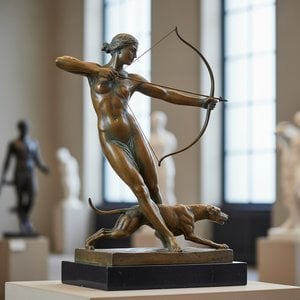
Paul Manship: Reassessing the Master of American Art Deco Sculpture
Explore the captivating world of Paul Manship, a leading figure in American Art Deco sculpture. Discover his iconic works like Prometheus, influence on modernism, and investment potential. Expert insights for collectors.