

 실제 크기로 보기
 보내기
보내기 공유하기
공유하기
 상세 보기
상세 보기 가이드 보기

 이미지 다운로드
 유사 작품 더 보기
 X-레이
X-레이 슬라이드 쇼 보기
 Q&A
Q&A 통계 정보
통계 정보Captive


 상세 보기
상세 보기
지클레 / 아트 프린트
빠른 제작과 다양한 마감 옵션을 선택할 수 있는 박물관 수준의 지클레이 및 캔버스 프린트. ( 수작업 채색 복제본 주문하기 디지털 이미지 판매 채널로 전환)




P118B ₩10

P118H ₩10

P118W ₩10

P438Z ₩10

P508JH ₩12

P508YH ₩12

P805H ₩10

P805Z ₩10

P919BZ ₩10

P919G ₩10

P919XJ ₩10

P959ZH ₩10

P968JZ ₩12

W106C ₩8

W218G ₩10

W218JH ₩8

W218Y ₩10

W307PJ ₩10

W316G ₩10

W316PJ ₩8

W316Y ₩10

W398PJ ₩8

W4111J ₩10

W500HY ₩15

W500JH ₩15

W692G ₩12

W849H ₩8

W940BG ₩15

W953PJ ₩8




작품의 원본 비율을 그대로 유지하는 프리셋 사이즈 중에서 선택해 보세요.

액자나 벽면 크기에 맞춰 필요한 가로와 세로 길이를 입력해 주세요. 프린트는 원본 이미지보다 크게 제작할 수 없으며 오직 자르는 것만 가능하므로, 비율이 다른 사이즈를 선택할 경우 이미지의 일부가 잘려 나갈 수 있습니다. 인쇄 작업에 들어가기 전, 최종 확인을 위해 디지털 목업을 보내드립니다. 이 페이지에 표시된 이미지는 실제 잘리는 영역을 나타내지 않으며, 오직 목업을 통해서만 정확한 확인이 가능합니다.


 유리 옵션은 110cm 미만 크기에서만 선택 가능합니다.

Captive
지클레 / 아트 프린트
복제본 규격
-


총 결제 금액
₩ 83380
A Portrait of Resilience: Paul Klee’s “Captive”
Paul Klee's "Captive," painted in 1940 during the twilight years of his life and just months before his passing, is far more than a simple depiction of a figure; it’s a profound meditation on suffering, determination, and the enduring spirit of an artist facing immense personal challenges. Created amidst the debilitating progression of scleroderma – a condition that relentlessly tightened and hardened his skin – the painting serves as a poignant testament to Klee's unwavering commitment to his craft even in the face of physical adversity. The work’s power lies not in overt drama, but in its subtle yet deeply resonant portrayal of vulnerability and resolve. The composition itself is deceptively simple. A central figure, rendered with Klee’s characteristic loose, expressive lines, presents a frowning face framed by stark bars. These confining elements immediately evoke the feeling of imprisonment, directly referencing the physical restrictions imposed by his illness. Yet, despite this clear symbol of constraint, the subject's gaze holds a surprising intensity – a flicker of defiance and an undeniable sense of purpose. The use of predominantly blue and black hues contributes to a somber mood, mirroring the artist’s emotional state, but these dark tones are skillfully balanced with hints of lighter shades, suggesting a persistent inner light refusing to be extinguished. Notably, Klee's signature style—a blend of expressionism, cubism, and surrealism—is evident in the fragmented forms and the almost childlike quality of the face, hinting at both vulnerability and an inherent artistic sensibility.The Language of Sclerosis: Symbolism and Personal Narrative
Klee’s decision to incorporate elements directly related to his illness into “Captive” is a crucial aspect of understanding the work's significance. The bars aren’t merely decorative; they represent the tangible limitations imposed by scleroderma, the relentless tightening of skin and tissues that dramatically altered Klee’s physical capabilities. The teardrop falling from the figure’s eye isn’t simply an expression of sadness but a potent symbol of the pain and frustration associated with his condition. However, it's important to note that Klee never explicitly depicted himself in his art; instead, he channeled his experiences into symbolic representations, allowing viewers to project their own interpretations onto the canvas. The painting becomes a mirror reflecting not just Klee’s personal struggle but also the universal human experience of facing hardship and finding strength within adversity.An Expressionist Masterpiece: Technique and Emotional Resonance
“Captive” exemplifies Klee's distinctive expressionistic style, prioritizing emotional impact over strict realism. His loose brushstrokes, combined with his innovative use of color—a deliberate choice to evoke mood rather than accurately represent the world—create a dynamic and layered surface. The painting’s texture is rich and tactile, inviting close examination and revealing the artist’s meticulous attention to detail despite the seemingly spontaneous application of paint. Klee's exploration of color theory was extensive, and this work demonstrates his ability to use hues not just for aesthetic effect but also to convey specific emotions and psychological states. The careful layering of blues and blacks creates a sense of depth and introspection, while subtle variations in tone suggest an underlying current of hope.Legacy and Influence: A Timeless Reflection on the Human Spirit
Paul Klee’s “Captive” stands as a powerful example of art's ability to transcend personal experience and speak to universal themes. Its influence can be seen in numerous artists across movements, from abstract expressionism to contemporary figurative painting. The work’s enduring appeal lies in its honest portrayal of vulnerability and resilience—qualities that resonate deeply with viewers regardless of their background or beliefs. The Zentrum Paul Klee in Bern, Switzerland, houses a significant collection of his works, offering visitors the opportunity to immerse themselves in the artist's world and contemplate the profound messages embedded within his art. Reproductions of “Captive,” available through platforms like ArtsDot.com, allow collectors and enthusiasts alike to bring this iconic image into their homes and experience its emotional power firsthand. It remains a poignant reminder that even amidst suffering, creativity can flourish, and the human spirit can endure.


작가 소개
폴 클레: 색채와 형태로 빚어낸 환상의 세계
폴 클레(Paul Klee, 1879-1940)는 스위스에서 태어나 독일에서 활동하며 20세기 미술사에 지대한 영향을 미친 예술가입니다. 표현주의, 입체주의, 초현실주의 등 다양한 사조의 영향을 받았지만, 그 누구에게도 온전히 귀속될 수 없는 독자적인 예술 세계를 구축했습니다. 음악가 아버지와 가수 어머니 사이에서 태어난 클레는 어린 시절부터 음악적 재능을 보였고, 바이올린 연주에도 능숙했습니다. 이러한 음악적 배경은 그의 작품에 깊이 스며들어, 색채의 조화와 리듬감 있는 구성이라는 독특한 시각적 언어를 탄생시키는 원동력이 되었습니다. 클레는 단순히 보이는 것을 재현하는 데 만족하지 않고, 내면의 감정과 상념을 추상적인 형태로 승화시키고자 끊임없이 탐구했습니다. 그의 작품은 어린아이 같은 순수함과 깊이 있는 사유가 공존하며, 보는 이로 하여금 잊고 지냈던 동심으로 돌아가듯 편안하고 즐거운 경험을 선사합니다.초기 실험과 북아프리카의 발견
클레는 뮌헨에서 미술 공부를 시작하며 다양한 기법과 스타일을 실험했습니다. 초기 작품들은 아르누보와 상징주의의 영향을 받았지만, 점차 자신만의 독특한 표현 방식을 모색하기 시작합니다. 특히 1914년 북아프리카 여행은 그의 예술 인생에 결정적인 전환점이 되었습니다. 튀니지의 강렬한 햇빛과 다채로운 색감은 클레에게 새로운 영감을 불어넣었고, 그는 더 이상 현실을 그대로 재현하는 대신 색채 자체를 통해 감정과 사상을 표현하기 시작했습니다. 이 시기 그의 작품들은 단순화된 형태와 절제된 색조를 특징으로 하며, 점차 추상적인 경향으로 나아갑니다. 북아프리카에서 얻은 경험은 클레에게 색채의 독립성을 깨닫게 해주었고, 이는 이후 그의 작품 전반에 걸쳐 나타나는 가장 중요한 특징이 됩니다.바우하우스 시대와 예술 이론
1920년 바우하우스(Bauhaus)학교에 부임한 클레는 혁신적인 교육 환경 속에서 자신의 예술적 역량을 더욱 발전시켰습니다. 바우하우스는 건축, 디자인, 미술 등 다양한 분야의 예술가들이 모여 실험하고 협력하는 공간이었으며, 클레는 이곳에서 색채와 형태의 조화, 그리고 예술과 기술의 융합에 대한 깊이 있는 연구를 진행했습니다. 그는 학생들에게 형식주의적 원리를 가르치면서 동시에 자유로운 상상력과 창의성을 강조했으며, 그의 강의는 현대 미술 교육에 큰 영향을 미쳤습니다. 클레는 또한 자신의 예술 이론을 집대성한 “형태와 디자인 이론”이라는 저술을 남겼는데, 이는 예술가뿐만 아니라 미술학 연구자들에게도 중요한 참고 자료로 활용되고 있습니다. 이 글에서 그는 음악과 유사한 방식으로 색채를 배열하고 조율하는 방법을 제시하며, 예술의 본질에 대한 깊이 있는 통찰력을 보여줍니다.후기 작품과 상징주의의 심화
1930년대 후반, 나치 정권의 탄압으로 인해 클레는 고국 스위스로 돌아오게 됩니다. 정치적 불안과 건강 악화 속에서도 그는 예술 활동을 멈추지 않았습니다. 후기 작품들은 이전보다 더욱 단순화된 형태와 어두운 색조를 사용하며, 삶의 고독과 불안감을 표현하고 있습니다. 그러나 이러한 어둠 속에서도 클레는 여전히 유머와 위트를 잃지 않으며, 독특한 상징주의적 세계를 구축합니다. 그의 후기 작품들은 마치 꿈속에서 본 듯한 환상적인 풍경을 연출하며, 보는 이로 하여금 깊은 사유에 잠기게 합니다. 눈, 얼굴, 동물 등 다양한 모티프는 클레의 작품 전반에 걸쳐 반복적으로 등장하며, 각자의 고유한 의미를 지니고 있습니다. 이러한 상징들은 단순한 장식적 요소가 아니라, 클레의 내면세계와 철학을 담아내는 중요한 매개체 역할을 합니다.영원한 유산과 현대 미술에 미친 영향
폴 클레는 1940년 스위스 Muralto에서 폐렴으로 세상을 떠났지만, 그의 예술은 시대를 초월하여 오늘날까지도 많은 사람들에게 영감을 주고 있습니다. 그는 추상미술의 선구자로서, 색채와 형태를 통해 인간의 감정과 사상을 표현하는 새로운 가능성을 제시했습니다. 그의 작품은 현대 미술에 지대한 영향을 미쳤으며, 특히 추상표현주의, 옵 아트 등 다양한 예술 사조의 발전에 기여했습니다. 클레의 유산은 단순한 회화 작품을 넘어 디자인, 건축, 음악 등 다양한 분야에도 영향을 미치고 있으며, 오늘날까지도 끊임없이 재해석되고 탐구되고 있습니다. 그의 작품들은 어린이와 어른 모두에게 즐거움을 선사하며, 예술이 지닌 무한한 가능성을 보여주는 증거입니다.미술관 및 추가 탐색
- 폴 클레 센터 (베른): 폴 클레의 작품을 가장 많이 소장하고 있는 곳으로, 그의 예술 여정을 총망라하는 전시를 관람할 수 있습니다.
- 베른 미술관: 피카소와 회들러 등 다른 현대 거장들의 작품과 함께 폴 클레의 중요한 작품들을 감상할 수 있습니다.
- 쿤스트무제움 베른: 스위스에서 가장 오래된 미술관으로, 폴 클레를 비롯한 다양한 현대 미술 작품을 소장하고 있습니다.

폴 클레
1879 - 1940 , 스위스
작가 정보 요약
- 국적: 스위스-독일 국적
- 대표 작품:
- 하마메트
- 형제들
- En la corriente seis umbrales
- 사망일: 1940년 6월 29일
- 영향을 받은 예술 사조: ['현대 미술']
- 영향을 준 예술가: ['바실리 칸딘스키']
- 예술 사조: 표현주의, 입체주의, 초현실주의
- 전체 이름: 폴 클레
- 출생일: 1879년 12월 18일
- 출생지: 뮌헨부흐제, 스위스
관련 기사
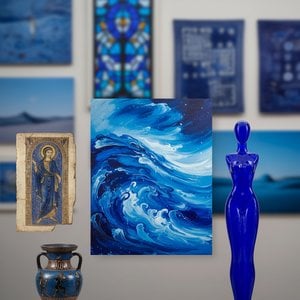
The Allure of Azure: Exploring the Symbolic & Aesthetic Depths of Blue in Art History
Explore the rich history of blue in art! Discover its symbolism, from ancient pigments to modern masterpieces by Kandinsky & Seurat. Uncover the psychological impact and cultural meanings behind this captivating hue.

폴 세잔 명작 25선: 시대를 초월하는 예술과 공간의 미학 | ArtsDot
폴 세잔의 시대를 초월하는 명작 25점을 만나보세요. 인상주의를 넘어 후기 인상주의를 개척한 화가의 예술 세계와 정물화, 풍경화 속 숨겨진 이야기를 ArtsDot에서 감상하세요. 고품질 아트 프린트와 캔버스 액자로 공간에 예술을 더해보세요! 지금 바로 컬렉션을 탐험하세요.

Paul Klee: A Poetics of Form and Color – Exploring the Inner Landscape of a Modern Master
Explore the captivating world of Paul Klee! Discover his innovative art, Bauhaus influence, & unique symbolic language. Expert analysis & high-quality reproductions at ArtsDot.

폴 클레 최고작 25선: 색채와 형식이 빚어낸 예술의 정수 | ArtsDot
폴 클레 최고작 25선을 만나보세요. 추상 미술의 거장 폴 클레의 색채와 감성이 담긴 명화들을 감상하고, 작품 속 숨겨진 이야기와 화풍을 탐구하세요. ArtsDot에서 고품질 아트 프린트와 인테리어 아이디어를 찾아보세요! 지금 바로 컬렉션을 둘러보세요.

Slate Blue Masterpieces: 10 Iconic Paintings & Timeless Home Decor Ideas
Immerse yourself in the captivating world of slate blue! Explore 10 iconic paintings by Monet, Van Gogh & Renoir. Discover their stories, techniques & find museum-quality art reproductions for your home at .


