프린트 구매하기
 공유하기
공유하기 공유하기
공유하기
 Details

 다운로드
다운로드
 유사 작품
유사 작품 X-Ray
X-Ray 슬라이드 쇼
예술가의 아들, 폴의 초상






P118B $10

P118H $10

P118W $10

P438Z $10

P508JH $12

P508YH $12

P805H $10

P805Z $10

P919BZ $10

P919G $10

P919XJ $10

P959ZH $10

P968JZ $12

W106C $8

W218G $10

W218JH $8

W218Y $10

W307PJ $10

W316G $10

W316PJ $8

W316Y $10

W398PJ $8

W4111J $10

W500HY $15

W500JH $15

W692G $12

W849H $8

W940BG $15

W953PJ $8




 더 알아보기
작품의 원본 비율을 유지하는 미리 설정된 크기 중에서 선택하세요.

특정 프레임이나 공간에 맞도록 직접 크기를 입력할 수 있습니다. 선택하신 크기가 원본 이미지의 비율과 일치하지 않는 경우, 작품을 자르거나 추가적인 손으로 그린 요소를 사용하여 그림을 확장합니다. 제작 시작 전 승인을 위해 디지털 목업을 보내드립니다.
화면 미리 보기는 실제 자르기 또는 확장을 반영하지 않습니다. 최종 구성은 목업을 통해서만 정확하게 확인하실 수 있습니다.
맞춤 크기 제작도 가능하지만, 원본 비율을 유지하기 위해 사전 정의된 목록에서 크기를 선택하시는 것을 권장합니다.
주문 후 ArtsDot.com 팀에서 상세 안내를 위해 고객님께 이메일을 보내드리며, 미리보기 시안을 제공해 드립니다.


 유리 옵션은 110cm 미만 크기에서만 선택 가능합니다.

예술가의 아들, 폴의 초상
재현 기법
복제본 크기
-


최종 결제 금액
-
작품 상세 설명
A Son’s Gaze: Paul Cézanne's Intimate Portrait
Paul Cézanne’s *Portrait of the Artist’s Son, Paul*, painted in 1885, isn’t merely a depiction of a young boy; it’s a profound meditation on lineage, identity, and the very act of seeing. Within the confines of a simple picture frame, Cézanne constructs a world brimming with quiet observation and subtle emotional resonance. The painting immediately draws the eye to Paul himself, seated with an almost unnerving stillness – his gaze directed outwards, as if contemplating something beyond the viewer’s immediate perception. This isn't a boisterous or playful portrait of childhood; instead, it possesses a contemplative quality, hinting at a nascent awareness and a connection to his father’s artistic vision. The boy’s attire—a neatly tailored suit and tie—suggests an attempt to present himself formally, yet the relaxed posture and slightly averted eyes betray a sense of youthful vulnerability. He is not simply *being* observed; he's inviting observation, holding the viewer in a silent dialogue.Composition and Technique: A Post-Impressionist Masterclass
Cézanne’s genius lies not just in his subject matter but in his masterful manipulation of space and form. Painted primarily with chalk—a medium he favored for its versatility and ability to create delicate lines—the portrait is a testament to his innovative approach to Post-Impressionism. The frame itself becomes an integral part of the composition, acting as a stage upon which Paul performs his quiet contemplation. Within this frame, Cézanne introduces a carefully orchestrated series of details: a potted plant with its vibrant green leaves, two delicate vases holding flowers, and a clock subtly suggesting the passage of time. These elements aren’t merely decorative; they contribute to the painting's overall sense of depth and dimensionality, creating an illusionistic space that feels both familiar and slightly unsettling. Notice how Cézanne uses broken brushstrokes—a hallmark of his style—to build up form and create a shimmering effect, particularly in the boy’s clothing and the textures of the frame. The layering of color and line creates a dynamic surface that seems to vibrate with life.Historical Context: Family, Lineage, and Artistic Legacy
To understand *Portrait of the Artist’s Son*, it's crucial to consider its historical context within Cézanne’s personal and artistic journey. The painting was created during a period of intense experimentation for the artist, as he wrestled with traditional academic conventions and sought to develop his own unique visual language. Cézanne’s relationship with his son, Paul, was particularly significant; the boy served as both a model and a constant source of inspiration. The portrait can be interpreted as an exploration of father-son dynamics—a desire to capture not just Paul's physical likeness but also his essence, his potential, and his connection to Cézanne’s artistic legacy. The painting echoes earlier depictions of familial portraits within the academic tradition, yet Cézanne subverts these conventions by focusing on a more intimate and psychologically complex scene. Interestingly, this particular portrait is one of several studies Cézanne made of Paul throughout the late 1880s, offering a fascinating glimpse into the artist’s evolving artistic process.Symbolism and Emotional Resonance: A Window to the Soul
Beyond its formal elements, *Portrait of the Artist’s Son* is rich in symbolic meaning. The picture frame itself can be seen as representing the boundaries between the inner world of the artist and the external world of observation. Paul's gaze, directed outwards, suggests a yearning for something beyond his immediate surroundings—a desire to connect with the larger world and perhaps even inherit his father’s artistic vision. The quiet stillness of the scene evokes a sense of introspection and contemplation, inviting the viewer to share in Paul’s silent awareness. The painting isn't about capturing a fleeting moment; it’s about conveying a deeper truth—the enduring power of family, the complexities of identity, and the transformative potential of art. It is a poignant reminder that even within the simplest of scenes, profound emotions can be captured and revealed.Experience the beauty of art with ArtsDot.com.
유사한 작품들


작가 약력
폴 세잔: 자연의 구조를 탐구한 혁신의 선구자
폴 세잔은 1839년 에이즈-프랑스 프로방스에서 태어나 인상주의의 순간적인 감각을 넘어 입체주의의 파편화된 형태로 이어지는 예술계에 지대한 영향을 미친 거장입니다. 그의 여정은 즉각적인 찬사를 받는 것이 아니라, 자기 의심과 비판적 무시로 점철된 예술 탐구의 느린 연소였으며, 결국 현대 미술의 흐름을 영원히 바꾸어 놓을 유산을 남겼습니다. 그의 아버지는 처음에는 모자 장인이었지만 나중에는 은행가가 되어 번영한 가정에서 태어난 세잔은 야심 찬 예술가에게는 드문 재정적 안정을 누렸고, 상업적 성공의 즉각적인 압박 없이 자신의 열정에 헌신할 수 있는 자유를 누렸습니다. 처음에는 아버지의 야망에 따라 법학을 전공하도록 유도되었지만, 예술적 표현의 힘은 너무나 강렬하여 결국 법학을 포기하고 그림을 그리는 길을 선택했습니다. 이는 그의 삶을 정의하는 결정이었습니다. 초기에는 젊은 시절 널리 퍼져 있던 낭만주의와 바비종파 화가들의 풍경에 대한 헌신 등 다양한 영향들을 받았지만, 폴 고갱과 조르주 세라티 같은 예술가들과의 만남을 통해 그들의 혁신적인 색채와 형태 접근 방식을 접하면서 자신만의 독특한 길을 개척하기 시작했습니다.어둠에서 구조로: 스타일 진화
세잔의 초기 작품은 종종 유진 들라크루아의 영향을 받은 낭만주의 회화의 특징인 극적이고 감정적으로 격앙된 주제를 반영하며, 어두운 팔레트와 표현적인 붓놀림이 그의 캔버스를 지배했습니다. 그러나 이 초기 단계는 훨씬 더 분석적이고 혁신적인 접근 방식으로 나아가기 위한 단순한 발판에 불과했습니다. 인상주의자들이 선호하는 빛의 순간적인 감각을 단순히 포착하는 데 만족하지 못한 세잔은 사물의 근본적인 구조를 이해하고 표현하려는 탐구를 시작했습니다. 그는 자신이 보는 것이 아니라, 현실을 구성하는 기본적인 형태가 어떻게 인식되는지를 알고 싶어 했습니다. 이러한 갈망은 자연의 모양을 기하학적 등가물로 분해하게 되었고, 이는 수십 년 후 입체주의 혁명을 예견했습니다. 그의 기술은 복잡한 색채와 질감을 구축하기 위해 세심하게 겹쳐진 작은 반복적인 붓놀림으로 특징지어지며, 이전에는 회화에서 볼 수 없었던 견고함과 깊이를 만들어냈습니다. 그는 환상적인 공간에 관심이 없었으며, 대신 전통적인 관점에 도전하고 그의 구성의 구축된 본성을 적극적으로 참여하도록 강요하는 동시에 여러 관점에서 객체를 제시했습니다. 이러한 의도적인 왜곡은 임의적이지 않았지만, 시간의 단일한 순간을 나타내는 것이 아니라 인식의 종합인 형태에 대한 보다 완전한 이해를 전달하려는 시도였습니다.풍경, 정물, 인체: 주요 작품과 반복되는 모티프
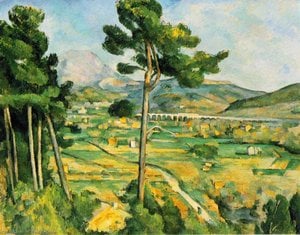
세잔의 작품 세계는 놀라울 정도로 다양하며 풍경, 정물, 초상화, 그리고 수영하는 사람들의 묘사를 포괄하지만, 모든 작품은 그의 독특한 형태와 색채 접근 방식으로 통일되어 있습니다. 1880년에 그려진 <자스 드 부팡 연못>은 그의 풍경 작업을 보여주며, 형태와 음색의 신중한 배열을 통해 자연의 본질을 포착하는 그의 능력을 보여줍니다. 1866년에 제작된 <에밀 졸라 초상화>는 그의 발달하는 스타일을 드러내고 가까운 친구이자 동료 작가인 에밀 졸라의 지적인 강렬함에 대한 설득력 있는 통찰력을 제공합니다. 사과와 다른 과일을 특징으로 하는 정물은 단순히 물체의 표현이 아니라 부피, 빛, 공간 관계 탐구입니다. <몽 생트 빅투아르> 시리즈는 세잔에게 집착이었으며, 수십 년 동안 형태와 관점을 끊임없이 조사할 수 있게 해준 반복적인 모티프였습니다. 이러한 그림들은 산의 묘사가 아닌 깊이, 부피 및 빛과 그림자의 상호 작용에 대한 연구입니다. 마지막으로, 유토피아 풍경 속에 있는 누드 인물을 묘사한 <수영하는 사람> 시리즈는 인체 탐구와 자연과의 연결을 나타내며 종종 시대를 초월하고 조용한 사색의 감각이 스며 있습니다.혁신으로 단련된 유산: 현대 미술에 대한 세잔의 영향
폴 세잔의 후대 예술가들에게 미치는 영향은 측정할 수 없을 정도입니다. 그는 20세기 주요 예술 운동의 길을 열어 그의 선구적인 기여로 인해 "현대 미술의 아버지"로 널리 알려져 있습니다. 파블로 피카소와 조르주 브라크는 세잔의 기하학적 형태와 다중 관점에 대한 강조에 깊이 의존했으며, 이는 입체주의의 핵심 원칙이 되었습니다. 그의 대담한 색채 사용은 앙리 마티스를 비롯한 야수파 운동에도 영감을 주어 자연스럽지 않은 생생한 색조를 포용했습니다. 심지어 초현실주의자 예술가들도 세잔의 주관적인 인식과 심리적 깊이에 대한 탐구에서 공감대를 찾았습니다. 특정 운동을 넘어, 세잔은 전통적인 학문적 제약을 거부하고 자신의 개인적인 비전을 강조하면서 수많은 화가가 새로운 표현 방식을 탐색할 수 있도록 해방했습니다. 그는 현실의 모방이라는 정의 자체를 도전하며, 기본 구조와 주관적인 인식에 기반한 시각적 경험을 구축하는 데 초점을 맞추어 미술사의 새로운 시대가 시작되었습니다. 1906년 그의 죽음은 끝이 아니라 시작 – 그의 혁신적인 비전으로 인해 깊이 형성된 현대 미술사 한 페이지의 여명이었다.
세잔
1839 - 1906 , 프랑스
주요 정보
- 국적: 프랑스
- 대표작:
- 자스 드 부팡 연못
- 에밀 졸라 초상
- 숲
- 생트 빅투아르 산 시리즈
- 목욕하는 사람들
- 사망일: 1906년 10월 22일
- 영향을 받은 예술 사조:
- 입체주의
- 야수파
- 초현실주의
- 영향을 준 예술가:
- 낭만주의
- 바비종파
- 폴 고갱
- 조르주 세라
- 미켈란젤로
- 루벤스
- 피에르 푸제
- 예술 사조: 후기 인상주의
- 전체 이름: 폴 세잔
- 출생일: 1839년 1월 19일
- 출생지: 에이구스탱-프로방스, 프랑스
관련 기사 더 보기

후기인상주의를 정의한 10대 걸작: 예술과 홈데코의 새로운 영감
후기인상주의를 빛낸 10대 명작! 고흐, 세잔 등 거장의 작품 비하인드 스토리와 예술적 의미를 만나보세요. ArtsDot에서 최고급 미술 복제 및 인테리어 영감을 얻고, 당신의 공간을 예술로 채워보세요. 지금 바로 확인하세요!


세밀한 묘사, 시간을 초월하는 초상화: ArtsDot 시니어 아티스트의 숙련된 손길이 담긴 예술적 유산
ArtsDot의 숙련된 시니어 아티스트들이 섬세하게 재현하는 맞춤 초상화로, 소중한 순간을 영원히 간직하세요. 빈센트 반 고흐 스타일부터 가문 초상화까지, 최고급 캔버스와 오일 페인팅으로 당신의 공간에 예술적 유산을 더하세요.

The Digital Portrait Renaissance: Transforming Personal Photography into Timeless Oil Paintings Through Artistic Reproduction
Transform your cherished photos into timeless oil paintings with ArtsDot's expert artists. Museum-quality reproductions & custom portraits, crafted to last a lifetime. Discover the art of personal legacy.
Paul César Helleu: Capturing Belle Époque Elegance & Artistic Innovation
Explore the captivating world of Paul César Helleu, master portraitist of the Belle Époque. Discover his innovative techniques, iconic works like 'Portrait of Margaret Kelly,' and investment potential with ArtsDot.

The Enduring Gaze: A Historical & Artistic Exploration of Portrait Painting Across Cultures
Explore the rich history of portrait painting with expert insights into Renaissance masterpieces & modern innovations. Discover artists, movements & commission a custom oil painting at ArtsDot.