작품 구매하기
 공유하기
공유하기 공유하기
공유하기
 Details

 다운로드
다운로드
 유사 작품
유사 작품 X-Ray
X-Ray 슬라이드 쇼
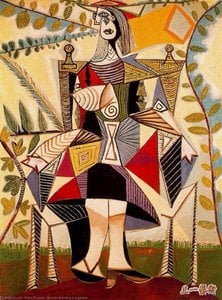
Self Portrait


 더 보기
더 보기




P118B ₩10

P118H ₩10

P118W ₩10

P438Z ₩10

P508JH ₩12

P508YH ₩12

P805H ₩10

P805Z ₩10

P919BZ ₩10

P919G ₩10

P919XJ ₩10

P959ZH ₩10

P968JZ ₩12

W106C ₩8

W218G ₩10

W218JH ₩8

W218Y ₩10

W307PJ ₩10

W316G ₩10

W316PJ ₩8

W316Y ₩10

W398PJ ₩8

W4111J ₩10

W500HY ₩15

W500JH ₩15

W692G ₩12

W849H ₩8

W940BG ₩15

W953PJ ₩8




작품의 원본 비율을 유지하는 미리 설정된 크기 중에서 선택하세요.

특정 프레임이나 공간에 맞춰 직접 치수를 입력하실 수 있습니다. 선택하신 사이즈가 원본 이미지의 비율과 일치하지 않을 경우, 작품을 크롭(자르기)하거나 이미지를 대칭 또는 단색 채우기로 확장하여 제작합니다. 제작 시작 전, 최종 확인을 위해 디지털 목업이 전송됩니다.
화면상의 미리보기는 실제 크롭이나 확장 상태를 반영하지 않으므로, 최종 구도는 오직 목업을 통해서만 정확하게 확인하실 수 있습니다.
맞춤 사이즈 제작도 가능하지만, 원본 비율을 유지하기 위해서는 사전 정의된 목록에서 치수를 선택하시는 것을 권장합니다.


 유리 옵션은 110cm 미만 크기에서만 선택 가능합니다.

Self Portrait
지클레 / 아트 프린트
복제본 크기
-


최종 결제 금액
-
작품 상세 설명
A Glimpse into Transformation: Picasso’s 1907 Self-Portrait
This striking self-portrait, created in 1907, offers a pivotal moment in Pablo Picasso's artistic journey – a crucial stepping stone toward the revolutionary world of Cubism. More than just a likeness, it is an exploration of identity and representation, rendered with a boldness that foreshadowed the seismic shifts he would soon unleash upon the art world. The painting captures Picasso at age 26, during a period of intense experimentation and burgeoning confidence.Deconstructing Representation: Style & Technique
Measuring 43 x 33 cm, this oil on canvas work immediately draws the eye with its fragmented forms and unconventional approach to portraiture. While not yet fully Cubist, it resides firmly within Proto-Cubism, a transitional phase characterized by simplified shapes, flattened perspective, and a muted palette dominated by browns, grays, and greens. Picasso deliberately breaks down his own features, presenting multiple viewpoints simultaneously – hinting at the complexities of personality and perception. The visible brushstrokes and impasto technique add texture and dynamism to the composition, emphasizing the physicality of the paint itself. The angularity of lines and planes creates a sense of unease and intellectual rigor.Historical Context: The Dawn of Cubism
1907 was a watershed year for Picasso, profoundly influenced by his encounter with African masks and Iberian sculpture. These encounters sparked a desire to move beyond traditional Western artistic conventions and explore new ways of representing form and space. This self-portrait reflects that exploration, demonstrating a conscious rejection of Renaissance perspective in favor of a more conceptual approach. It directly precedes *Les Demoiselles d'Avignon* (also 1907), widely considered the foundational work of Cubism. Understanding this painting requires acknowledging its place within the broader context of early 20th-century artistic upheaval, a period marked by rapid social and technological change.Symbolism & Emotional Resonance
The somewhat austere color scheme and fragmented depiction contribute to an overall sense of introspection and perhaps even melancholy. The painting isn’t about capturing a fleeting moment of physical resemblance; it's about conveying Picasso’s *inner* state – his intellectual curiosity, his artistic ambition, and potentially, a degree of self-scrutiny. The distortion of features can be interpreted as a symbolic representation of the artist grappling with his own identity and challenging conventional notions of beauty and representation. The intensity in his gaze suggests a determined spirit, poised on the brink of innovation.Impact & Legacy
Picasso’s 1907 Self-Portrait is not merely a historical artifact; it's a powerful testament to the transformative power of art. It embodies the spirit of experimentation and rebellion that defined modernism, paving the way for countless artists who followed in his footsteps. Cubism, born from this period of exploration, irrevocably altered the course of art history, influencing not only painting but also sculpture, architecture, and design.- To delve deeper into Cubism: Cubism on Wikipedia
- Explore this painting & Picasso’s style further: Pablo Picasso: Self Portrait at ArtsDot.com
- Learn more about Proto-Cubism: Proto-Cubism Art Movement at ArtsDot.com
- Discover the work of fellow Cubists: Explore works by Georges Braque and Juan Gris at ArtsDot.com.
유사한 작품들


작가 약력
혁명가의 삶: 파블로 피카소
파블로 루이스 페르난데스 데 파우라 히곤 라미레스 데 라 사티시마 트리니다드 루이즈 이 피카소, 줄여서 파블로 피카소는 20세기 미술의 지형을 완전히 바꿔놓은 스페인의 화가이자 조각가였습니다. 1881년 10월 25일 스페인 말라가에서 태어난 그는 어린 시절부터 그림에 천부적인 재능을 보였으며, 아버지 호세 루이스 블라스코의 지도를 받으며 미술 교육을 시작했습니다. 피카소의 삶은 끊임없는 실험과 혁신의 여정이었고, 그의 작품들은 시대의 변화를 반영하며 현대 미술의 새로운 가능성을 제시했습니다. 어린 시절부터 보여준 자연주의적 재능은 빠르게 발전하여, 그는 전통적인 회화 기법을 넘어 자신만의 독창적인 예술 세계를 구축해 나갔습니다. 가족과 함께 코루냐와 바르셀로나로 이주하면서 겪었던 개인적인 비극들은 그의 작품에 슬픔과 죽음이라는 주제를 깊숙이 새겨 넣었습니다.푸른 시대와 장밋빛 시대: 감정의 파노라마
20세기 초, 피카소는 예술 세계에 두 가지 중요한 시대를 선사했습니다. 바로 ‘푸른 시대(1901-1904)’와 ‘장밋빛 시대(1904-1906)’입니다. 푸른 시대는 개인적인 고통과 사회적 고난 속에서 탄생한 것으로, 깊은 푸르름과 청록색이 지배하는 그림들로 특징지어집니다. 이 시기의 작품에는 소외된 사람들 – 구걸쟁이, 맹인, 매춘부 – 가 등장하며, 그들의 고독과 절망을 섬세하게 표현하고 있습니다. 대표작인 <라 비(La Vie)>와 <낡은 기타리스트(The Old Guitarist)>는 이 시대의 감정을 극적으로 보여주는 작품들입니다. 그러나 개인적인 삶의 변화와 파리에 정착하면서, 피카소는 장밋빛 시대로 접어듭니다. 팔레트는 분홍색, 주황색, 빨간색 등 따뜻한 색조로 채워졌고, 그의 그림은 이전보다 훨씬 낙관적이고 생기 넘치는 분위기를 자아냈습니다. 특히 서커스 단원들을 소재로 한 작품들은 이 시대의 대표적인 특징을 잘 보여줍니다. <곡예사 가족(Family of Saltimbanques)>은 이러한 변화를 엿볼 수 있는 아름다운 작품입니다.입체주의 혁명: 시각적 현실의 해체와 재구성
1907년, 피카소는 예술 역사에 길이 남을 기념비적인 작품 <아비뇽의 처녀들(Les Demoiselles d'Avignon)>을 발표했습니다. 이 작품은 전통적인 원근법과 표현 방식을 완전히 파괴하고 새로운 시각적 언어를 제시하며 입체주의 운동의 시작을 알렸습니다. 조르주 브라크와의 긴밀한 협력을 통해 피카소는 사물을 기하학적인 형태로 분해하고 재구성하는 입체주의를 발전시켰습니다. 분석적 입체주의(1909-1912)는 제한된 색상 팔레트를 사용하여 사물의 형태를 해부학적으로 묘사한 반면, 종합적 입체주의(1912-1919)는 신문 조각이나 천 조각과 같은 콜라주 요소를 도입하여 작품에 새로운 질감과 복잡성을 더했습니다. 피카소는 단순히 세상을 재현하는 것을 넘어, 그것을 해체하고 자신만의 방식으로 재구성함으로써 현대 미술의 새로운 지평을 열었습니다.끊임없는 실험 정신: 신고전주의, 초현실주의 그리고 전쟁
1920년대에는 잠시 신고전주의 양식을 탐구하며 웅장한 인물들을 창조하기도 했습니다. 동시에 피카소는 떠오르는 초현실주의 운동과도 교류했지만, 그 흐름에 완전히 동화되지는 않았습니다. 이 시기의 작품들은 이전의 스타일적 영향과 초현실적인 이미지, 왜곡된 원근법이 혼합되어 그의 끊임없는 실험 정신을 보여줍니다. 스페인 내전의 참상은 피카소에게 깊은 영향을 미쳤고, 그는 그 고통스러운 현실에 대한 분노와 슬픔을 <게르니카(Guernica)>라는 거대한 작품으로 표현했습니다. 이 작품은 전쟁의 비극과 폭력성을 생생하게 묘사하며 평화와 사회 정의를 위한 강력한 메시지를 전달합니다. 1950년대와 60년대에도 피카소는 도자, 조각, 판화 등 다양한 매체를 탐구하며 예술적 경계를 넓혀갔습니다. 1961년 자클린 루크와의 결혼은 그의 개인적인 삶과 예술적 표현에 새로운 영감을 불어넣었습니다.불멸의 유산
1973년 4월 8일, 피카소는 프랑스 무앙에서 세상을 떠났지만, 그가 남긴 작품들은 여전히 우리에게 깊은 감동과 영감을 선사합니다. 그의 예술적 영향력은 현대 미술 전반에 걸쳐 광범위하게 퍼져 있으며, 수많은 후대 화가들에게 지대한 영향을 미쳤습니다. 5만 개 이상의 작품을 남긴 피카소는 단순한 화가를 넘어 시대의 혁신가이자 예술계의 거인이었습니다. 그의 삶과 작품은 끊임없는 도전과 실험 정신을 통해 현대 미술의 새로운 가능성을 제시했으며, 오늘날까지도 전 세계 사람들에게 영감을 주고 있습니다.
피카소
1881 - 1973 , 스페인
주요 정보
- 국적: 스페인
- 대표작:
- 레 데미젤 딩 아비뇽
- 게르니카
- 늙은 기타리스트
- 사망일: 1973년 4월 8일
- 출생일: 1881년 10월 25일
- 출생지: 말라가, 스페인
관련 기사 더 보기

Cubism's Revolution: 10 Masterpieces That Redefined Modern Art | ArtsDot
Explore 10 Cubist masterpieces by Picasso, Braque & more! Delve into the history of this revolutionary art movement. Find museum-quality reproductions and elevate your home decor with ArtsDot. Discover all masterpieces on ArtsDot.com

큐비즘을 정의한 10대 걸작: 예술과 인테리어의 새로운 차원
피카소, 브라크의 큐비즘 걸작 10선! 혁신적인 예술 세계를 만나보세요. 각 작품의 숨겨진 이야기와 감동을 ArtsDot에서 경험하고, 당신의 공간에 특별한 예술적 영감을 더하세요. 지금 바로 ArtsDot.com에서 모든 명작을 발견해보세요!
Cubist Expression: 10 Masterpieces That Revolutionized Modern Art | ArtsDot
Explore 10 Cubist masterpieces by Picasso, Braque & more! Discover the stories behind these revolutionary paintings and their impact on modern art. Find museum-quality reproductions for your home at ArtsDot.com – where art comes to life.

Pablo Picasso: A Revolutionary Vision – Cubism, Symbolism & Enduring Legacy
Explore the revolutionary art of Pablo Picasso with ArtsDot.com. Discover Cubism's origins, symbolism in his masterpieces & investment insights for collectors. Expert appraisal & custom reproductions available.

조르주 브라크의 걸작 25선: 예술과 공간을 초월하는 시선 | ArtsDot
조르주 브라크의 시대를 초월한 25개의 걸작을 만나보세요. 입체주의를 개척한 프랑스 화가의 예술 세계와 숨겨진 이야기를 ArtsDot에서 감상하고, 명작 유화 복제본으로 공간에 특별함을 더하세요. 지금 바로 컬렉션을 탐험하세요!