

- 22.0 x 31.0 cm

선택하신 옵션에 따른 작품 정보입니다: , .
작가 프로필
Obadiah Short (1803-1886) was a British amateur painter of the Norwich School, known for detailed landscape paintings & fabric designs depicting Norfolk scenes. His work provides valuable historical insight into 19th-century Norwich life.
 더 보기
더 보기
핸드메이드 유화 복제화
작가가 직접 캔버스에 손으로 그린 유화 작품으로, 원하는 크기와 액자로 맞춤 제작해 드립니다. ( 프린트 판매로 전환 디지털 이미지로 전환)
이 작품에 대해 더 알아보기
 미리보기
미리보기
 공유하기
공유하기 공유하기
공유하기
 상세 정보
상세 정보 가이드 보기

 다운로드
다운로드
 유사 작품 더 보기
 X-레이
X-레이 슬라이드 쇼 보기
 질의응답
질의응답 통계 정보
통계 정보단 네 단계로 완성되는 간편한 작품 주문 방법
천천히 진행하셔도 좋습니다. 답변은 언제든 변경할 수 있으며, 선택 사항에 따라 주문 카드 내의 가격이 실시간으로 반영됩니다.
1 4단계 중 1단계
원하시는 사이즈를 선택해 주세요.
이 사이즈들은 원작의 비율을 그대로 유지합니다. 그림 속 예시는 2미터 길이의 소파 위 벽면에 선택하신 작품을 배치했을 때의 모습입니다.
또는 직접 치수 입력하기
작품의 원본 비율을 그대로 유지하는 프리셋 사이즈 중에서 선택해 보세요.

액자나 벽면 크기에 맞춰 필요한 가로와 세로 길이를 입력해 주세요. 본 작품은 수작업으로 제작되므로, 요청하신 비율에 따라 작가가 그림의 가장자리를 조금 더 넓게 그리거나 일부를 조정하여 작업할 수 있습니다. 작업 시작 전, 최종 확인을 위해 디지털 목업 이미지를 보내드립니다. 이 페이지에 표시된 이미지는 실제 결과물과 다를 수 있으며, 오직 목업 이미지만이 정확한 결과물을 보여줍니다.
2 4단계 중 2단계
어떤 방식으로 준비해 드릴까요: 롤 형태로, 캔버스에 씌워서, 또는 액자에 넣어?
아래 가격은 첫 번째 단계에서 선택하신 크기를 기준으로 합니다.
캔버스 옆면 스타일 선택
프레임을 선택하세요

화이트 테두리 ₩1

블러사이드 ₩1

옆면 확장형 ₩1

P118B ₩10

P118H ₩10

P118W ₩10

P438Z ₩10

P508JH ₩12

P508YH ₩12

P805H ₩10

P805Z ₩10

P919BZ ₩10

P919G ₩10

P919XJ ₩10

P959ZH ₩10

P968JZ ₩12

W106C ₩8

W218G ₩10

W218JH ₩8

W218Y ₩10

W307PJ ₩10

W316G ₩10

W316PJ ₩8

W316Y ₩10

W398PJ ₩8

W4111J ₩10

W500HY ₩15

W500JH ₩15

W692G ₩12

W849H ₩8

W940BG ₩15

W953PJ ₩8

H24-GOLD ₩30

H24-SILVER ₩30

H36-GOLD ₩45

H36-SILVER ₩45
액자형
몰딩: . 액자 포함 전체 크기: .
3 4단계 중 3단계
그림에서 변경하고 싶은 부분이 있으신가요?
대부분의 사람들은 아니라고 답합니다. 모든 작품은 수작업으로 제작되기에, 저희 작가는 고객님의 요청에 맞춰 작품을 변경해 드릴 수도 있습니다.
주문 완료 후, ArtsDot.com 팀에서 상세 안내를 위해 고객님께 이메일을 보내드리며, 시안 미리보기를 제공해 드립니다.
4 4단계 중 4단계
몇 가지 마감 옵션
모두 선택 사항입니다. 이미 선택된 답변에 대해서는 추가 비용이 발생하지 않습니다.
작가는 누구인가요?
박물관에 있는 것과 같은 명판을 원하시나요?
동판 각인 상세 정보
This elegant plaque features the artist's name and the title of the artwork, finely engraved for a timeless presentation.
It is made from bronze with a refined, elegant finish. The text is precisely laser-engraved for a sharp and permanent result. Measuring 9x2 cm, the plaque is compact yet easy to read. It's built to be durable and scratch-resistant, offering a professional, museum-quality look. Mounting is simple thanks to the included adhesive backing.
투명 아크릴 명판 상세 정보
The plaque includes essential engraved details such as the artist's name, the title of the artwork, the date it was created, the type of media used-like oil on canvas or watercolor-a brief description of the piece, and a QR code that links to the complete artwork information.
It is crafted from clear acrylic, offering a sleek, modern appearance. The text is UV-engraved in black to ensure strong visual contrast. With a size of 10x15 cm, it ensures optimal readability. It comes equipped with two metal hooks for secure wall mounting. The plaque is designed to be weather-resistant, making it suitable for various environments, and it includes interactive features that work seamlessly with smartphone scanning.
블랙 아크릴 명판 상세 정보
This elegant plaque includes engraved information such as the artist's name, the title of the artwork, the date it was created, the type of media used (like oil on canvas or watercolor), a short description of the artwork, and a QR code for quick access to more information.
The plaque itself is made from refined black acrylic with a premium finish. The text is laser-engraved in white for high contrast and readability. Its size is 10x15 cm, designed to be easy to read. It comes with two metal hooks for professional mounting. The design is sleek and fits any interior style. It is also weather-resistant and durable, with built-in digital integration for mobile compatibility.
보호용 바니시를 선택하시겠습니까?
언제 받기를 원하시나요?
✓ 확인 및 주문하기
주문하신 그대로의 작품

At the Farm Gate
재현 기법
복제본 크기
-

엄선된 시니어 아티스트
더욱 세밀한 묘사와 정교함, 그리고 충분한 제작 시간
-

복제화 액자 구성
-
-
가로 또는 세로 중 어느 한 면이라도 105cm(약 41인치)를 초과하는 작품이나 복제화의 경우, 프레임은 분해된 키트 형태로 배송됩니다. 이는 안전한 배송을 보장하고 운송 중 발생할 수 있는 손상을 방지하기 위함입니다.
전문가 조립 권장 - 본 제품은 DIY용이 아닙니다.
해당 키트는 숙련된 전문 프레임 제작자가 목공용 풀(별도 구매), 캔버스 스트레칭 플라이어 및 풀이 마르는 동안 나무 틀의 수평을 유지할 클램프를 사용하여 캔버스를 팽팽하게 고정하고 조립해야 합니다. 잘못된 조립이나 불균형한 캔버스 장력은 작품에 영구적인 손상을 입힐 수 있으며, 이로 인한 손상은 보증 범위에 포함되지 않습니다.
 가로 또는 세로 중 어느 한 면이라도 105cm(약 41인치)를 초과하는 작품이나 복제화의 경우, 프레임은 분해된 키트 형태로 배송됩니다. 이는 안전한 배송을 보장하고 운송 중 발생할 수 있는 손상을 방지하기 위함입니다.
모든 원목 부재가 포함되어 있으며, 조립에 딱 맞게 정밀하게 재단되었습니다.
제공된 나사와 함께, 별도로 준비해야 하는 모서리 접합부용 목공용 풀을 사용하여 조립합니다. (목공용 풀은 포함되어 있지 않으므로 제작자께서 직접 준비해 주셔야 합니다.)
전문가용 도구가 필요하며 키트에 포함되어 있지 않습니다: 캔버스 스트레칭 플라이어(텐셔너)와 접착제가 마르는 동안 나무 틀의 수평을 유지하기 위한 클램프가 필요합니다.
주의사항:
모서리 접합부에는 목공용 풀이 필요하며, 풀이 완전히 마를 때까지 클램프로 바(bar)를 고정해야 합니다. 또한 조립된 프레임에 캔버스를 팽팽하게 당기려면 캔버스 스트레칭 플라이어가 필요합니다. 이 제품들 중 어느 것도 키트에 포함되어 있지 않습니다. 이 사이즈를 주문하시기 전에 숙련된 전문 액자 제작업체를 미리 섭외하시기 바랍니다.

작품 설명문
-
-

보호용 바니시
유광 바니시(색감을 선명하게 하며 빛과 습기로부터 보호함)
-

내 작품 맞춤 설정
변경 가능한 예시: 얼굴을 고객의 사진으로 교체, 반려동물 추가(예: 고양이를 강아지로 변경), 배경에 숨겨진 메시지 삽입, 배경 풍경 또는 요소 변경.
-

빠른 배송
전 세계 배송()은 기존 5주의 표준 기간 대신 3~4주 내에 완료됩니다. (5 11월). 품질에는 어떠한 타협도 하지 않습니다.
-
특급 배송
전 세계 배송(): 약 5주 소요 (12 11월).
포함됨
최종 결제 금액
₩ 352171
유리 옵션은 110cm 미만 크기에서만 선택 가능합니다.
모든 주문에 포함되는 혜택
- 전 세계 무료 특급 배송
- 프리미엄 린넨 캔버스
- 배송 전 과정 보험 적용
- 관세 및 수입세 환급 보장 서비스
- 원본과 동일한 색상 구현 보장
- 100일 이내 반품 정책 (결함 발생 시)
- 100% 환불 보장
- 다량 구매 할인 혜택


유사한 작품들


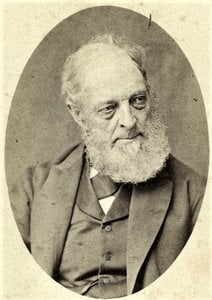
Obadiah Short
1803 - 1886
작가 정보
The Quiet Observer: The Life and Legacy of Obadiah Short
In the annals of the Norwich School, a movement defined by its profound connection to the Norfolk landscape, certain names resonate with dramatic flair and sweeping vistas. Yet, tucked within this illustrious collective is the more subtle, evocative presence of Obadiah Short. Born on July 26th, 1803, in the heart of Norwich, Short’s life was marked by early hardship and an extraordinary resilience that shaped his unique artistic perspective. Orphaned during the Peninsular War—losing his mother to illness in Lisbon and his father to the Battle of Corunna—the young Obadiah was raised by his grandparents. This early encounter with loss perhaps instilled in him a deep, contemplative appreciation for the enduring stability of the natural world, leading him to become a meticulous chronicler of the scenery that surrounded him.
Short’s professional journey was far from the traditional path of an academy-trained painter. Before finding his voice on canvas, he navigated the industrious landscape of Norwich as a textile laborer and later as a weaver. His career eventually found a beautiful intersection between art and industry when he became a pattern designer for Edward Willett, Nepulated & Co. For fifty years, he contributed to the creation of intricate shawl designs, a role that demanded an exacting eye for detail and a mastery of delicate textures. This background in textile design was not merely a secondary occupation; it fundamentally informed his painterly technique, gifting his landscapes with a unique sensitivity to light, pattern, and the fine grain of the natural environment.
A Mastery of Detail and Atmosphere
While many of his contemporaries sought to capture the grand, sweeping gestures of Romanticism, Short’s work is characterized by an understated elegance. His paintings do not demand attention through bravado; instead, they invite a slow, meditative gaze. Influenced significantly by the works of James Stark and the broader atmospheric traditions of Turner and Constable, Short developed a style that prioritized tonal harmony and the subtle gradations of light. His canvases often feature the wooded landscapes surrounding Norwich or serene, rural river scenes, rendered with a precision that borders on the scientific, yet remains deeply poetic.
The magic of Short’s work lies in its ability to capture the ephemeral qualities of the Norfolk countryside. One might find himself lost in the shimmering wheatfields under a summer sun or the misty, melancholic twilight of a marshland. His approach was one of meticulous observation, where every leaf and ripple in a stream was treated with profound respect. This commitment to accuracy allowed him to serve as more than just an artist; he became a vital historian. Through his paintings and his detailed written accounts of his childhood memories, Short provided future generations with an invaluable visual record of 19th-century Norwich life, preserving scenes that might otherwise have faded into the mists of time.
Artistic Achievements and Historical Significance
The breadth of Short’s talent extended beyond the easel and into the very fabric of British domestic life. His ability to transpose the beauty of the Norfolk landscape onto textiles meant that his artistic vision adorned homes across the nation, bridging the gap between fine art and decorative design. This dual identity as both a painter and a designer cemented his reputation as a versatile craftsman of the Victorian era.
Beyond his commercial success, Short’s historical significance is found in his role as a bridge between the provincial and the professional. Though often categorized as an amateur due to his lack of formal academic training, the sophistication of his compositions and his integration into the Norwich School movement demonstrate a high level of artistic maturity. His legacy rests upon several key pillars:
- Documentary Value: His accurate depictions of Norfolk landscapes and Norwich urban scenes serve as essential primary sources for historians studying the English landscape and local topography.
- Technical Versatility: The seamless fusion of his skills in textile pattern design with traditional oil painting created a unique aesthetic language characterized by texture and light.
- Cultural Contribution: As a member of the first provincial art movement in Britain, he helped establish Norwich as a significant center for landscape art, independent of the London-centric art world.
Obadiah Short passed away on July 15th, 1886, leaving behind a body of work that remains a testament to the beauty of the quiet moment. His paintings continue to offer a sanctuary of peace, reminding us that there is profound depth to be found in the most subtle observations of the world around us.