


 실제 크기로 보기
 보내기
보내기 공유하기
공유하기
 상세 보기
상세 보기 가이드 보기

 이미지 다운로드
 유사 작품 더 보기
 X-레이
X-레이 슬라이드 쇼 보기
 통계 정보
통계 정보Winter


 상세 보기
상세 보기
핸드메이드 유화 복제화
작가가 직접 캔버스에 손으로 그린 유화 작품으로, 원하는 크기와 액자로 맞춤 제작해 드립니다. ( 프린트 판매로 전환 디지털 이미지 판매 채널로 전환)




P118B ₩10

P118H ₩10

P118W ₩10

P438Z ₩10

P508JH ₩12

P508YH ₩12

P805H ₩10

P805Z ₩10

P919BZ ₩10

P919G ₩10

P919XJ ₩10

P959ZH ₩10

P968JZ ₩12

W106C ₩8

W218G ₩10

W218JH ₩8

W218Y ₩10

W307PJ ₩10

W316G ₩10

W316PJ ₩8

W316Y ₩10

W398PJ ₩8

W4111J ₩10

W500HY ₩15

W500JH ₩15

W692G ₩12

W849H ₩8

W940BG ₩15

W953PJ ₩8




작품의 원본 비율을 그대로 유지하는 프리셋 사이즈 중에서 선택해 보세요.

액자나 벽면 크기에 맞춰 필요한 가로와 세로 길이를 입력해 주세요. 본 작품은 수작업으로 제작되므로, 요청하신 비율에 따라 작가가 그림의 가장자리를 조금 더 넓게 그리거나 일부를 조정하여 작업할 수 있습니다. 작업 시작 전, 최종 확인을 위해 디지털 목업 이미지를 보내드립니다. 이 페이지에 표시된 이미지는 실제 결과물과 다를 수 있으며, 오직 목업 이미지만이 정확한 결과물을 보여줍니다.
주문 완료 후 ArtsDot.com 팀에서 상세 안내를 위해 고객님께 이메일을 보내드리며, 미리보기 시안을 함께 제공해 드립니다.


 유리 옵션은 110cm 미만 크기에서만 선택 가능합니다.

Winter
재현 매체
복제본 규격
-


총 결제 금액
₩ 356213
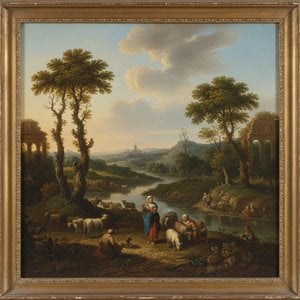
A Symphony of Winter’s Majesty: Exploring Nicolas Poussin's “Winter”
Nicolas Poussin, a titan amongst French Baroque painters, stands apart not merely for his technical prowess but for an unwavering devotion to the ideals of classical antiquity—a pursuit that profoundly shaped his artistic vision and cemented his legacy as one of the most influential figures in European art history. Born in Le Havre in 1594, Poussin’s formative years remain shrouded in some obscurity, yet they undeniably instilled within him a fascination with humanist philosophy and an appreciation for idealized beauty—elements that would permeate throughout his oeuvre. While he briefly dabbled in Parisian artistic circles during the early 1610s, absorbing influences from contemporaries like Valentin Leblanc, it was his decisive relocation to Rome in 1624 that irrevocably altered the trajectory of his career and propelled him into the epicenter of artistic innovation. This journey wasn’t simply a change of scenery; it represented an immersion into the intellectual currents of Renaissance Italy—a crucible where Poussin honed his skills and absorbed the stylistic precepts championed by artists such as Raphael and Caravaggio, albeit tempering their dynamism with a carefully considered restraint.- Subject Matter: The painting depicts a dramatic scene from Genesis – specifically, Noah’s Ark amidst a tempestuous storm. This biblical narrative serves as a cornerstone of Christian theology, symbolizing divine judgment and redemption through purification.
- Style: Poussin's work exemplifies the Classical style prevalent in Rome during his time, prioritizing clarity, balance, and harmonious composition. Unlike the exuberant theatricality often found in Baroque art, “Winter” embodies a serene contemplation of nature’s grandeur—a deliberate rejection of excessive ornamentation.
Technique: Mastering Oil Paint – A Delicate Balance
Poussin's mastery lay not only in his conceptual understanding but also in his meticulous execution. He employed oil paint with unparalleled precision, layering thin glazes upon glazes to achieve remarkable luminosity and depth—a technique that allowed him to capture the subtle nuances of light and shadow with breathtaking accuracy. The artist’s painstaking attention to detail extended beyond mere visual representation; he meticulously studied geological formations and atmospheric perspective, striving to convey a palpable sense of realism while simultaneously elevating the scene to an idealized realm of beauty. This careful blending of observation and imagination distinguishes Poussin's approach from many of his contemporaries and underscores his commitment to upholding classical artistic standards.Symbolism: Layers of Meaning Beyond the Surface
“Winter” is replete with symbolic references that resonate deeply within Christian iconography. The towering mountains represent God’s dominion over creation, while the turbulent storm symbolizes humanity's vulnerability before divine wrath. Yet amidst this apparent chaos lies a profound serenity—a suggestion that even in times of adversity, faith and hope endure. The inclusion of a dog – often interpreted as representing loyalty and faithfulness – reinforces this thematic core, emphasizing the importance of moral virtue in confronting existential challenges.Emotional Impact: Capturing Sublime Beauty
Ultimately, Poussin’s “Winter” transcends mere visual depiction; it aspires to evoke a feeling of awe—a sublime encounter with the majesty of God and the immensity of creation. The painting's muted palette – dominated by blues and whites – contributes to its contemplative mood, inviting viewers to contemplate the profound mysteries of faith and redemption. It remains an enduring testament to Poussin’s artistic genius and his unwavering dedication to capturing the essence of classical ideals—a masterpiece that continues to inspire artists and captivate audiences centuries after its creation.질의응답
"Winter"은(는) 무엇을 담고 있으며, 어떤 분위기를 자아내나요?
니콜라 푸생의 "Winter"은(는) Dramatic한 분위기 속에서 flood mythology, biblical narrative, winter landscape, stormy sky, boat journey, pastoral scene, classical composition, religious symbolism을(를) 묘사합니다. 작품의 주제와 분위기가 어우러져 하나의 완성된 세계를 보여줍니다.
니콜라 푸생의 "Winter"은 어떤 종류의 작품인가요?
카탈로그에서 니콜라 푸생의 "Winter"은(는) WallArt로 분류되어 있습니다. 이 카테고리를 통해 유사한 작품들을 찾아보실 수 있습니다.
"Winter"은(는) 니콜라 푸생의 주제 및 화풍과 어떻게 맞닿아 있나요?
"Winter"은(는) 니콜라 푸생의 다른 작품들과 마찬가지로 Baroque Classicism 양식과 더불어 roman mythology, classical idealism, religious piety, dramatic narrative, artistic legacy라는 작가의 반복되는 주제 의식을 공유합니다.
관련 작품들


작가 소개
빛과 이성의 조화: 니콜라 푸생의 삶과 예술
니콜라 푸생은 프랑스 바로크 회화를 대표하는 거장이지만, 그의 영혼은 대부분의 생애를 이탈리아 토양 속에서 키워냈습니다. 1594년 노르망디 레 안들리에서 태어난 그는 어린 시절부터 그림에 재능을 보였고, 지역 화가 퀴탱 바랭에게 기초적인 기법을 익혔습니다. 파리에서 잠시 활동하며 조르주 라레망과 페르디낭 엘레의 영향을 받았지만, 그의 예술적 운명을 결정짓는 것은 1624년 로마로 떠난 여정이었을 것입니다. 로마는 푸생에게 단순한 작업 공간 이상의 의미를 지녔습니다. 고대 문명의 심장부에서 그는 끊임없이 영감을 얻었고, 이는 그의 작품 전반에 걸쳐 나타나는 고전주의적 특징의 근원이 되었습니다. 초기에는 티치아노와 같은 베네치아 화가들의 영향을 받아 감각적인 색채를 탐구했지만, 곧 이성을 중시하고 명확한 구도를 선호하는 자신만의 스타일을 확립해 나갔습니다.로마 시대: 고전적 이상 추구
로마에서 푸생은 카시아노 달 포초와 같은 학자, 고고학자, 그리고 동료 화가들과 교류하며 지적인 토론을 나누었습니다. 특히 카시아노는 고대 유적을 꼼꼼하게 기록하는 데 몰두했는데, 이는 푸생에게 역사적 정확성과 시대를 초월한 아름다움을 작품에 담고자 하는 열망을 심어주었습니다. 그는 라파엘로의 작품들을 깊이 연구하며 조화로운 구성과 우아한 형태를 흡수했으며, 고대 조각상과 오비디우스의 『변신 이야기』와 같은 문학 작품에서도 영감을 얻었습니다. 이 시기 푸생은 점차 화려하고 감정을 격렬하게 드러내는 바로크 양식에서 벗어나 명확성, 균형, 그리고 선명한 구성을 강조하는 스타일을 발전시켰습니다. 그의 그림들은 종교적, 역사적 주제를 다루었지만, 단순한 이야기 전달을 넘어선 철학적 깊이와 상징적인 의미를 담고 있었습니다.역사, 신화, 그리고 신성: 주제의 다양성과 심오함
푸생은 다양한 주제를 탐구했지만, 그의 작품들은 일관되게 고전주의적 원칙에 기반했습니다. 그는 게르마니쿠스의 죽음과 같은 고대 역사를 묘사하며 비장하고 품위 있는 분위기를 연출했고, 신화 속 이야기를 통해 인간 본성을 탐구하며 도덕적인 교훈을 전달하고자 했습니다. 특히 *아르카디아* 시리즈는 그의 철학적 깊이를 보여주는 대표작으로, 죽음과 기억의 힘에 대한 성찰을 담고 있습니다. 또한 그는 *7가지 성사* 연작과 같이 종교적인 주제를 다루면서도 과도한 감정 표현을 자제하고 고요하고 엄숙한 분위기를 유지했습니다. 그의 후기 작품에서는 광활한 풍경이 더욱 중요하게 부각되었는데, 이는 현실과 이상이 조화를 이루는 아름다운 자연 경관을 통해 인간의 내면 세계를 표현하고자 한 시도였습니다.프랑스 예술에 미친 영향: 고전주의의 초석
푸생은 대부분의 생애를 이탈리아에서 보냈지만, 프랑스 예술에 지대한 영향을 미쳤습니다. 1640년 리슐리외 추기경의 요청으로 잠시 프랑스로 돌아가 왕실 화가가 되었으나, 궁중 생활의 부담과 권력 다툼을 견디지 못하고 곧 로마로 귀환했습니다. 그는 프랑스 왕립 회화 및 조각 아카데미에서 중요한 역할을 수행하며 고전주의 예술 교육의 기준을 확립하는 데 기여했습니다. 그의 엄격한 접근 방식과 지적인 깊이는 자크 루이 다비드와 폴 세잔과 같은 후대 화가들에게 영감을 주었으며, 단순한 스타일 모방을 넘어 프랑스 고전주의 미술의 초석을 다지는 역할을 했습니다. 푸생은 예술을 통해 이성과 아름다움을 추구하며 시대를 초월하는 가치를 창조하고자 했던 위대한 예술가였습니다.- 대표작: *게르마니쿠스의 죽음*, *7가지 성사 연작*, *로마의 길*, *맹인 오리온*, *계절*.
- 주요 특징: 고전적 구성, 선명한 윤곽선, 역사 및 신화 주제, 고요한 풍경.

니콜라 푸생
1594 - 1665 , 프랑스
작가 정보 요약
- 국적: 프랑스
- 영향받은 예술가:
- 자크 루이 다비드
- 폴 세잔
- 영향을 준 예술가:
- 라파엘로
- 티치아노
- 예술 사조: 바로크, 고전주의
- 전체 이름: 니콜라 푸생
- 주요 작품:
- Germanicus의 죽음
- 7가지 성사 연작
- 로마 도로
- 눈먼 오리온
- 계절
- 출생일: 1594년 6월
관련 기사

Nicolas Poussin: Classicism, Allegory & Order in 17th-Century French Painting
Explore the life & work of Nicolas Poussin, a master of French Classicism. Discover his allegorical paintings, Roman influences, and enduring impact on art history. Expert analysis & insights.

낭만 풍경화의 황홀! 예술사에 빛난 10대 걸작 탐구 | 와후아트
낭만주의 시대, 예술혼을 불태운 10대 풍경화 걸작! 터너부터 프리드리히까지, 시대를 초월하는 아름다움을 와후아트에서 만나보세요. 고흐의 색채와 코로의 섬세함이 당신의 공간에 영감을 더합니다. 지금 바로 와후아트에서 명품 미술 작품을 감상하고 구매하세요!

Evocations of Place: A Historical Journey Through Landscape Art
Explore the rich history of landscape art with ArtsDot. Discover renowned artists, movements like Impressionism & Romanticism, and expert guidance for collecting timeless pieces. Find your perfect serene escape today!

Baroque Classicism: Reconciling Drama & Order in 17th-Century Art
Explore the captivating world of Baroque Classicism! Discover its history, key artists like Caravaggio & Rubens, and defining characteristics. Expert insights & high-quality reproductions at ArtsDot.
Nicolaes Berchem: Dutch Golden Age Pastoralism & the Evolution of Landscape Painting
Explore the captivating world of Nicolaes Berchem, a leading Dutch Golden Age painter. Discover his idyllic landscapes, masterful technique & lasting influence on art history. Learn more at ArtsDot.


